
New Vape Rules: What’s Changing in 2026?
New FDA regulations will significantly change vaping in 2026, affecting manufacturers, retailers, and consumers. These aren't minor tweaks; they represent a substantial shift in how vaping products are regulated in the United States.
The FDA is driving these changes due to growing public health concerns, specifically the rise in youth vaping. The agency has repeatedly expressed alarm over high rates of e-cigarette use among teenagers, citing potential nicotine addiction and unknown long-term health effects. This is a response to the need to protect a vulnerable population.
The FDA's regulation of vaping has evolved. Initially, the agency had limited authority. The 2009 Family Smoking Prevention and Tobacco Control Act granted the FDA authority over tobacco products, later extended to e-cigarettes. This led to the Premarket Tobacco Product Application (PMTA) process, discussed later. Current regulations aim for a more comprehensive approach.
The concept of 'substantial equivalence' was central to previous regulations, allowing companies to market similar products without full PMTA review. The new rules will likely tighten criteria for substantial equivalence, making market entry harder. How these changes play out for industry and consumers remains uncertain, depending heavily on FDA interpretation and enforcement.
Marketing Restrictions: Flavor and Appeal
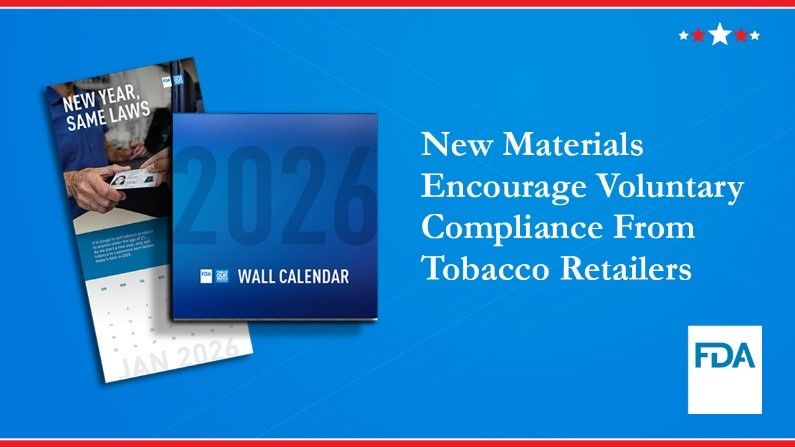
The FDA is heavily focused on restricting vaping product marketing, particularly to children. Flavors are central to this concern, as the agency believes fruit, candy, and dessert flavors draw young people. Proposed rules will likely affect the availability of these products.
It's difficult to say exactly which flavors will be banned or restricted. Banning characterizing flavors altogether (any flavor other than tobacco) has been discussed. However, the FDA could also allow some flavors while restricting their marketing and packaging, similar to measures taken with menthol cigarettes.
Beyond flavors, the FDA is looking at restrictions on advertising and packaging, including prohibiting marketing with cartoon characters or bright colors that appeal to kids. They will likely increase scrutiny of social media marketing tactics used by vape companies, leading to less visually engaging advertising.
A wide-scale flavor ban could dramatically reduce product variety for adult vapers, while advertising restrictions could make it harder for companies to reach their audience. The FDA aims to reduce youth vaping without eliminating a potential harm reduction tool for adult smokers.
- Prohibition of marketing that appeals to youth.
- Restrictions on characterizing flavors (fruit, candy, dessert).
- Increased scrutiny of social media advertising.
- Limits on packaging design (colors, imagery).
PMTA Process: What’s Different Now?
The Premarket Tobacco Product Application (PMTA) is the FDA’s primary mechanism for regulating new tobacco products, including e-cigarettes. Manufacturers must demonstrate their products are 'appropriate for the protection of public health.' This is a rigorous and increasingly challenging process.
Manufacturers currently submit extensive data to the FDA, including product ingredients, design, manufacturing, and potential health risks. They must also show the product is likely to benefit adult smokers switching from cigarettes. The FDA reviews this data to decide whether to authorize sale.
The 2026 regulations will likely change the PMTA process, potentially requiring more data and a more stringent review, with greater emphasis on long-term health effects and youth appeal evaluation. The FDA stated in their revised PMTA guidance that comments may be submitted at any time for agency consideration.
The cost of preparing and submitting a PMTA application is a major challenge, especially for smaller vape companies. Many have withdrawn applications due to the financial burden. Common reasons for denial include insufficient evidence of public health benefit and concerns about potential risks to youth.
Nicotine Limits and Product Standards
The FDA is considering stricter nicotine limits in e-liquids to reduce product addictiveness, particularly for young people susceptible to nicotine addiction. Lower levels could make vaping less appealing to teens and help adult smokers reduce dependence.
Exact nicotine limits are under debate. Capping levels at a certain milligram per milliliter (mg/mL) has been discussed. However, the FDA is also considering different limits for different product types, recognizing some vapers may need higher levels to switch from cigarettes. This is a complex issue.
Beyond nicotine limits, the FDA is looking at changes to product standards, potentially requiring improved battery safety, leak prevention, and child-resistant packaging. These changes aim to address safety concerns and prevent accidental e-liquid exposure, minimizing risks from device malfunctions.
These are proposed changes, and final rules may differ. The FDA is weighing the benefits of reduced nicotine levels against the impact on adult smokers using vaping for harm reduction. These regulations could significantly alter the vaping experience.
Nicotine Strength & Regulatory Considerations (2026)
| Nicotine Strength | Suitability for Smoking Cessation | Potential for Addiction | FDA Scrutiny Level |
|---|---|---|---|
| 0mg | May appeal to former smokers seeking behavioral aspects, but efficacy for cessation is debated. | Low | Low to Medium (focus on flavoring and marketing) |
| 3mg | Often used as a stepping stone for smokers transitioning to vaping. | Moderate | Medium |
| 6mg | Commonly used by individuals reducing nicotine intake from traditional cigarettes. | Moderate to High | Medium to High |
| 12mg | Frequently chosen by established smokers seeking a similar nicotine experience. | High | High |
| 18mg | Typically preferred by heavier smokers or those with strong nicotine dependence. | Very High | High |
Illustrative comparison based on the article research brief. Verify current pricing, limits, and product details in the official docs before relying on it.
Enforcement and Penalties: What to Expect
Compliance with new FDA regulations is mandatory. Non-compliant vape companies face penalties including warning letters, fines, and product seizures. The FDA has the authority to act against violators.
The FDA’s enforcement strategy will likely be multifaceted, involving inspections of vape shops and manufacturing facilities, online monitoring for illegal products and marketing, and collaboration with state and local authorities. The agency has increased enforcement efforts recently.
How aggressively the FDA will pursue enforcement is unclear. They could focus on major offenders or take a broader approach targeting more businesses, depending on resources and priorities.
Financial consequences of non-compliance can be significant. Fines range from thousands to millions of dollars, and product seizures cause substantial losses. Repeated violations could lead to penalties like license revocation.
Impact on Vape Shops and Consumers
New FDA regulations will significantly impact vape shops and consumers. Some smaller shops may close due to increased compliance costs and loss of popular products. The regulatory burden is particularly challenging for independent retailers.
Consumers can expect to see fewer product choices and potentially higher prices. Flavor bans and restrictions on nicotine levels could limit the variety of e-liquids available, and increased manufacturing costs could be passed on to consumers. The availability of certain devices may also be affected.
However, it’s important to recognize the public health goals behind these regulations. The FDA believes that these changes will reduce youth vaping and protect public health. It's a trade-off between individual choice and collective well-being. Many believe harm reduction is the key to a healthier future for smokers.
Consumers can stay informed about the changes by following updates from the FDA and vaping advocacy groups. They can also contact their elected officials to express their concerns and advocate for policies that balance public health with individual freedom. Engaging in the regulatory process is crucial.
Staying Updated: Resources and Advocacy
Staying informed about the evolving FDA regulations is essential for both vape businesses and consumers. The FDA website () is the primary source of information, providing updates on new rules, guidance documents, and enforcement actions.
Vaping advocacy groups, such as the American Vaping Association (), also provide valuable resources and analysis. These groups often track regulatory developments and advocate for the interests of the vaping community.
For legal guidance, consider consulting with attorneys specializing in FDA regulations. These professionals can help businesses navigate the complex regulatory landscape and ensure compliance. Resources are available for those seeking professional guidance.
Consumers and vape businesses can get involved in the regulatory process by submitting comments to the FDA, contacting their elected officials, and supporting advocacy efforts. Your voice matters, and participating in the process can help shape the future of vaping.


No comments yet. Be the first to share your thoughts!