
New FDA rules for retail shops
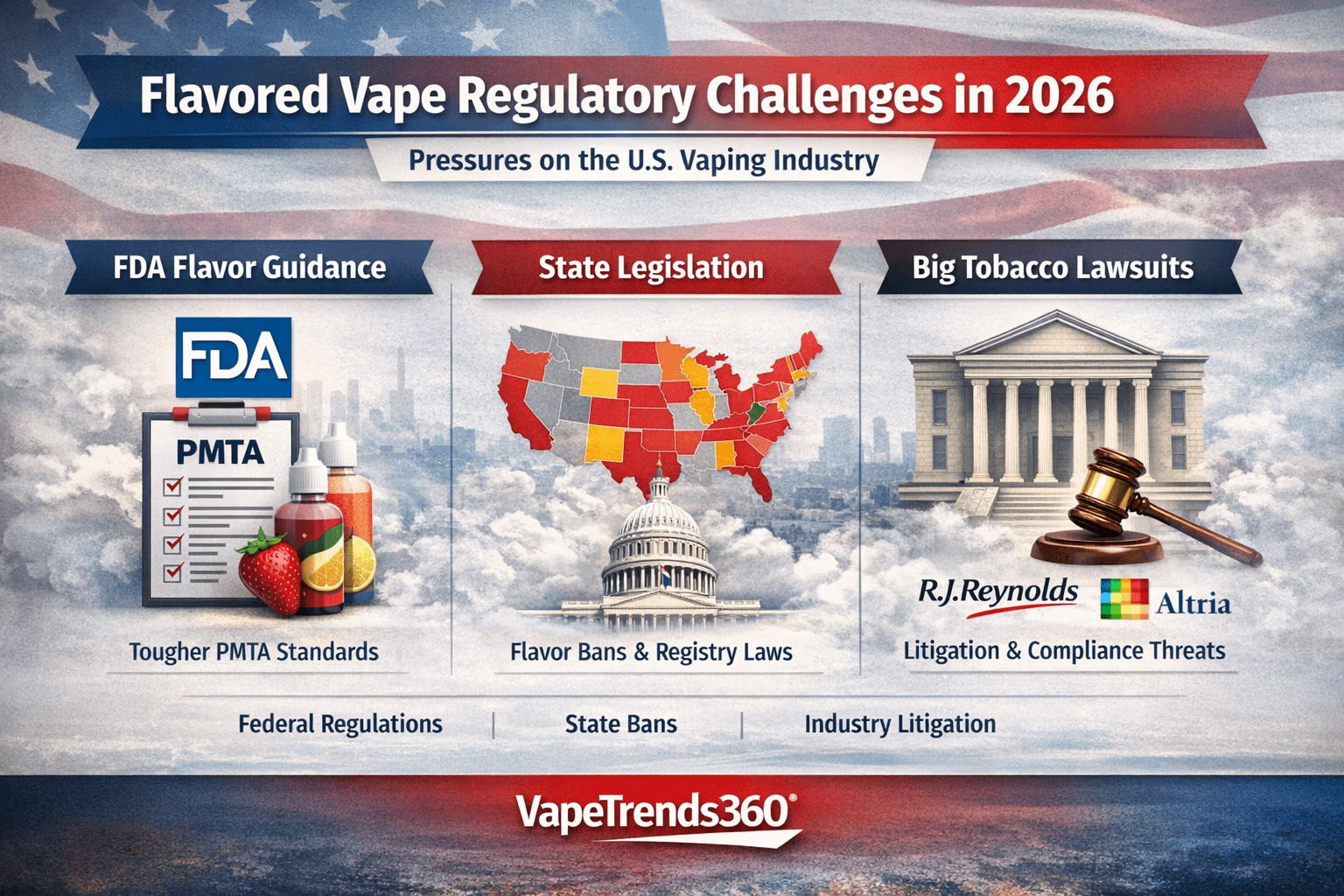
The FDA's 2026 compliance deadline changes how local vape shops handle daily business. These rules redefine what counts as manufacturing and tighten how you can advertise. If you own a shop, you need to adjust your workflow now to avoid fines or losing your license.
Currently, the FDA focuses on premarket review for new vape products, requiring manufacturers to demonstrate that their products are appropriate for the protection of public health. The 2026 rules build on this foundation, but expand the scope of who qualifies as a 'manufacturer' – a change we’ll delve into shortly. What’s different is the increased scrutiny surrounding product modification, even at the retail level, and stricter guidelines for advertising and online sales.
The FDA’s guidance, available on their website, focuses on clarifying the distinction between retailers and manufacturers. Previously, many shops operated in a grey area, selling pre-made products without fully realizing the implications of even minor alterations. The new rules aim to eliminate that ambiguity. This means shops need to carefully review their operations and determine if they’re engaging in activities that trigger manufacturer status.
Marketing restrictions are also undergoing a revamp. The FDA is taking a harder line on appealing to youth, with stricter rules around imagery, flavors, and advertising platforms. Shops need to be prepared to update their marketing materials to comply with these new guidelines. Ignoring these changes could result in warning letters, fines, or even product seizure.
The implications for online sales are particularly concerning. The FDA is prioritizing age verification and preventing sales to minors, requiring robust systems to confirm customer identities. This adds complexity and cost to e-commerce operations, potentially disadvantaging smaller shops. Shops need to assess their current online sales practices and implement the necessary changes to meet these new requirements.
Ultimately, these new regulations aim to reduce youth vaping rates and ensure that all vape products meet certain safety standards. However, the practical impact on e-cigarette shops will be significant, requiring them to adapt and invest in compliance measures. It’s a challenging time for the industry, but proactive preparation is the best course of action.
The new manufacturer definition
The biggest change is the new definition of a 'manufacturer.' It isn't just for factories anymore. If you mix e-liquids behind the counter, repackage items, or modify a device before selling it, the FDA now views your shop as a production facility.
Under the new rules, if you’re blending your own e-liquids, even with pre-approved nicotine, you're considered a manufacturer. The same applies if you’re offering custom mixing, changing the packaging, or even adding a sticker to a product. This triggers a whole host of requirements, including mandatory registration with the FDA, reporting of ingredients, and adherence to Good Manufacturing Practices (GMP).
The FDA’s guidance clarifies that 'manufacturing' includes "altering, disassembling, or combining’ components. That’s a broad definition, and it"s intentionally so. The agency wants to close loopholes and ensure that all entities involved in the production of vape products are held accountable. Failing to recognize this expanded definition can lead to substantial penalties.
What does manufacturer status mean practically? It means you’ll need to register with the FDA and pay associated fees. You’ll also be subject to inspections and required to maintain detailed records of your manufacturing processes. This is a significant undertaking, requiring dedicated resources and expertise. It’s a far cry from simply being a retailer.
This isn’t just about large-scale production. A small shop mixing a few custom blends for customers is still considered a manufacturer. The FDA’s rationale is that any alteration to a product introduces potential safety concerns that need to be addressed through regulation. It’s a preventative approach, albeit a burdensome one for many small businesses.
To determine if you're a manufacturer, ask yourself this: are you changing the product in any way from how it was received from the original manufacturer? If the answer is yes, you likely need to register. It's better to err on the side of caution and consult with legal counsel specializing in FDA regulations.
- Register the shop as a manufacturing facility with the FDA
- Pay associated fees.
- Comply with Good Manufacturing Practices (GMP).
- Maintain detailed records of manufacturing processes.
- Be prepared for FDA inspections.
Flavor restrictions and marketing denial orders
Flavor restrictions in the vaping industry are a constantly moving target. While a full federal ban on all flavored vapes hasn’t occurred (as of late 2024), the FDA continues to crack down on flavored products appealing to youth. The agency has the authority to issue marketing denial orders (MDOs) to products it deems harmful or appealing to minors, and flavors are a key focus.
Research, such as the study published in PMC analyzing the effects of flavor restrictions on tobacco product sales, suggests that banning flavors can lead to a decrease in youth vaping rates, but it can also drive consumers toward the illicit market. The study highlighted a shift in sales towards non-flavored products and an increase in purchases from unregulated sources after flavor bans were implemented in certain jurisdictions.
The FDA’s current approach involves a targeted strategy, focusing on flavors like fruit, candy, and dessert that are particularly attractive to young people. They’ve issued MDOs to numerous flavored disposable vapes, arguing that these products pose a significant public health risk. This isn’t a blanket ban, but it’s a clear signal of the agency’s intentions.
Many in the industry argue that flavor restrictions infringe on the rights of adult smokers who use flavored vapes as a harm reduction tool. They contend that flavors are essential for helping smokers switch from combustible cigarettes to less harmful alternatives. This debate is ongoing, and the FDA’s stance remains firm on prioritizing youth protection.
Shops can prepare for potential further flavor restrictions by diversifying their product offerings and focusing on flavors that are less likely to be targeted by the FDA, such as tobacco and menthol. However, even these flavors could come under scrutiny in the future. It’s essential to stay informed about the latest regulatory developments and adjust inventory accordingly.
The potential for a complete federal flavor ban remains a real possibility. Shops need to be prepared for this scenario and develop contingency plans to mitigate the impact on their businesses. This could involve exploring alternative products, such as nicotine pouches or other harm reduction options.
Impact of Potential FDA Flavor Restriction Scenarios on Vape Shop Operations (2026)
| Flavor Restriction Scenario | Shop Revenue | Customer Base | Product Variety | Compliance Costs |
|---|---|---|---|---|
| No Restrictions | High | High | High | Low |
| Menthol Ban Only | Medium | Medium | Medium | Medium |
| Full Flavor Ban | Low | Low | Low | High |
| Full Flavor Ban with Exemptions for Retail Stores | Medium | Medium | Medium | Medium |
| Limited Restrictions (Sweet/Fruity Ban) | Medium | Medium | Medium | Medium |
| Full Flavor Ban with Grandfathering | Medium | Medium | Medium | Medium |
Illustrative comparison based on the article research brief. Verify current pricing, limits, and product details in the official docs before relying on it.
Marketing and Advertising Changes
The FDA is significantly tightening restrictions on how vape products can be marketed, with a primary focus on preventing youth access and appeal. This impacts everything from social media posts to in-store displays. The goal is to eliminate marketing tactics that could entice young people to start vaping.
Specifically, the FDA prohibits advertising that depicts images of youth, uses cartoon characters, or implies that vape products are cool or glamorous. They’re also cracking down on marketing that makes health claims about vape products without FDA authorization. This includes statements about harm reduction or quitting smoking.
Online marketing is facing particularly stringent scrutiny. Shops need to ensure that their websites and social media accounts comply with all FDA regulations. This includes age-gating websites, removing any content that appeals to youth, and avoiding targeted advertising to minors. Influencer marketing is also under the microscope; shops need to carefully vet any influencers they collaborate with to ensure they’re not promoting vape products to underage audiences.
For example, using bright colors, trendy fonts, or images of young people in your advertising is likely a violation. Even seemingly innocuous tactics like running contests or giveaways aimed at a young demographic could draw scrutiny. The FDA is looking for any marketing practice that could be seen as appealing to minors.
Email campaigns are also subject to restrictions. Shops cannot send marketing emails to individuals under the age of 21. They also need to ensure that their email content complies with all other FDA advertising regulations. It’s essential to have a robust email marketing system with clear age verification protocols.
Violations of these marketing restrictions can result in warning letters, fines, or even product seizure. It’s crucial for shops to review their marketing materials and ensure they’re fully compliant with the latest FDA guidelines. Seeking legal counsel specializing in advertising law is highly recommended.
Online Sales: Increased Scrutiny
Online vape sales are under a microscope. The FDA is prioritizing enforcement to prevent sales to minors and ensure compliance with age verification requirements. This is arguably the area with the most immediate and significant changes for shops with an e-commerce presence.
The Prevent All Cigarette Trafficking Act (PACT Act) already imposes restrictions on shipping vape products, requiring age verification at the point of sale and the use of carriers that verify the recipient’s age. However, the FDA is now stepping up enforcement of these rules and implementing new requirements.
Shops are now required to use age verification systems that go beyond simply asking for a date of birth. These systems must verify the customer’s identity using third-party databases or other reliable methods. Simply relying on a checkbox stating that the customer is over 21 is no longer sufficient.
Reporting suspicious orders is also a key requirement. Shops need to have systems in place to identify and report orders that may be intended for underage individuals. This includes orders with mismatched billing and shipping addresses, or orders placed by customers who have previously failed age verification checks.
The challenges for online shops are significant. Implementing robust age verification systems can be costly and complex. Complying with shipping restrictions can also be difficult, particularly for shops that ship internationally. Maintaining a viable online business in this regulatory environment requires a significant investment in compliance.
The FDA is also focusing on identifying and shutting down illegal online vape retailers. They’re working with law enforcement agencies to target websites that sell vape products to minors or that operate without proper licenses. Shops need to ensure they’re fully compliant with all regulations to avoid becoming a target of these enforcement efforts.
Resources and Support for Vape Shops
Navigating these new FDA regulations can be daunting for e-cigarette shop owners. Fortunately, there are resources available to help you comply and stay informed. The FDA’s website () is the primary source of information on vape regulations.
Industry associations, such as the Smoke Free Alternatives Trade Association (SFATA), also provide valuable resources and support to vape shops. These associations offer training programs, legal guidance, and advocacy efforts to protect the interests of the industry.
Legal counsel specializing in FDA regulations is another valuable resource. An attorney can provide personalized advice and help you navigate the complex legal landscape. While it's an expense, it can save you significant costs in the long run by avoiding penalties and ensuring compliance.
AskVape itself is a resource for finding local vape shops and staying updated on industry news. We aim to provide vape information that is accessible and informative. You can also find helpful information and connect with other vape shop owners through online forums and social media groups.
While direct financial assistance programs specifically for vape shops are limited, you may be eligible for small business loans or grants offered by state or local governments. Explore these options to help offset the costs of compliance.
How confident are you in your shop's ability to pass an FDA inspection?
Vote below based on your shop's current compliance readiness for the 2026 FDA vape safety standards.

No comments yet. Be the first to share your thoughts!