

The evolving vape market
The vaping market continues to evolve at a rapid pace. What began as an alternative to traditional cigarettes has blossomed into a multi-billion dollar industry, but one facing increasing scrutiny. Growth is still happening, even with regulatory hurdles, and we’re seeing a particularly strong demand for both disposable and refillable vape devices. At AskVape, we’ve observed a real shift in consumer preference, with disposables gaining significant traction in recent years due to their convenience and low initial cost.
However, this growth is happening against a backdrop of tighter regulations. The FDA is actively involved in overseeing the manufacturing, marketing, and sales of e-cigarettes, with a particular focus on flavored products that appeal to youth. The PACT Act, for example, has significantly altered how vapes can be shipped, prohibiting the use of the USPS for these products. This has impacted both consumers and businesses, adding complexity and cost to the supply chain.
Emerging trends include a greater focus on nicotine strength options and puff counts, with manufacturers constantly innovating to meet consumer demands. We’re also seeing a rise in the popularity of nicotine salts, which provide a smoother vaping experience. The market is becoming more sophisticated, and consumers have more choices than ever before. This article aims to cut through the noise and provide a clear comparison of the costs and environmental impact of disposable versus refillable vapes as we look toward 2026.
Disposable vape costs: the real expense
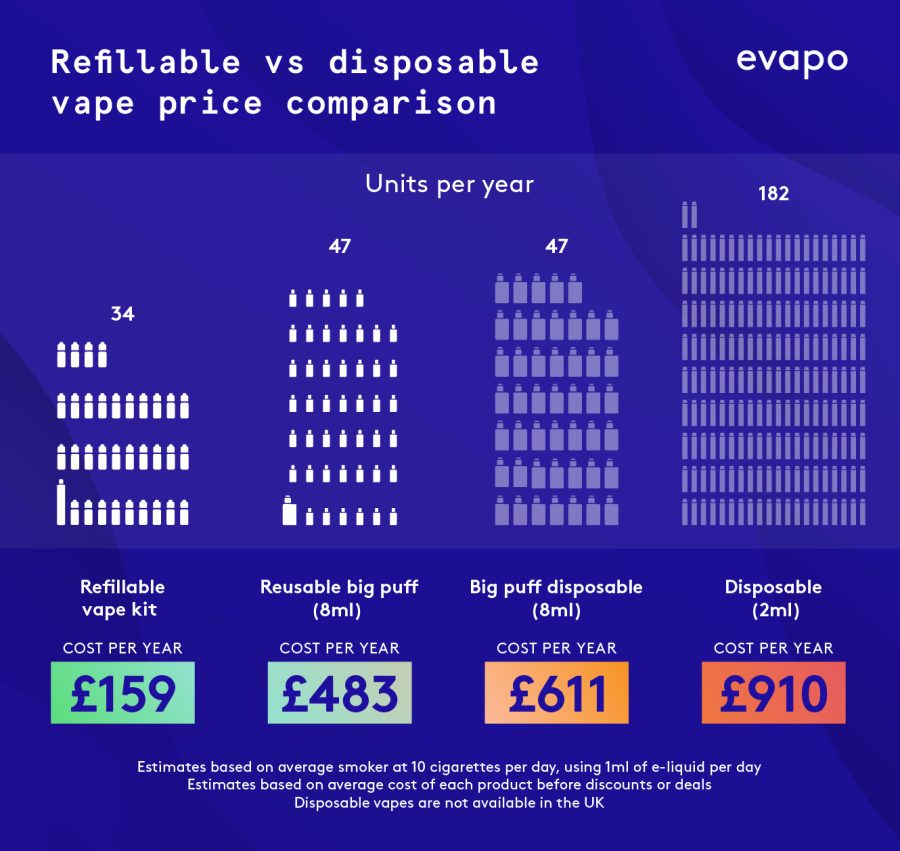
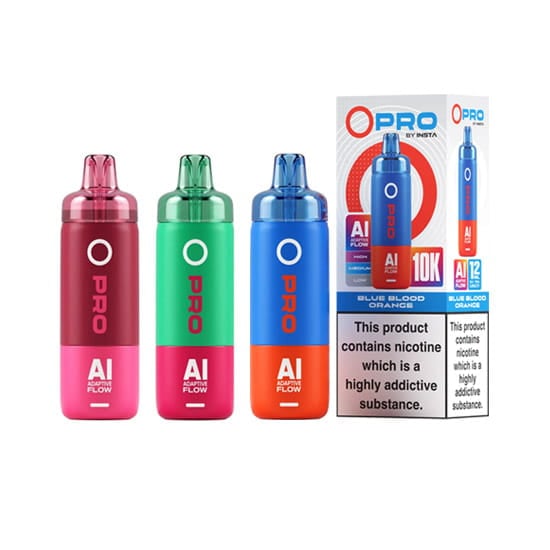
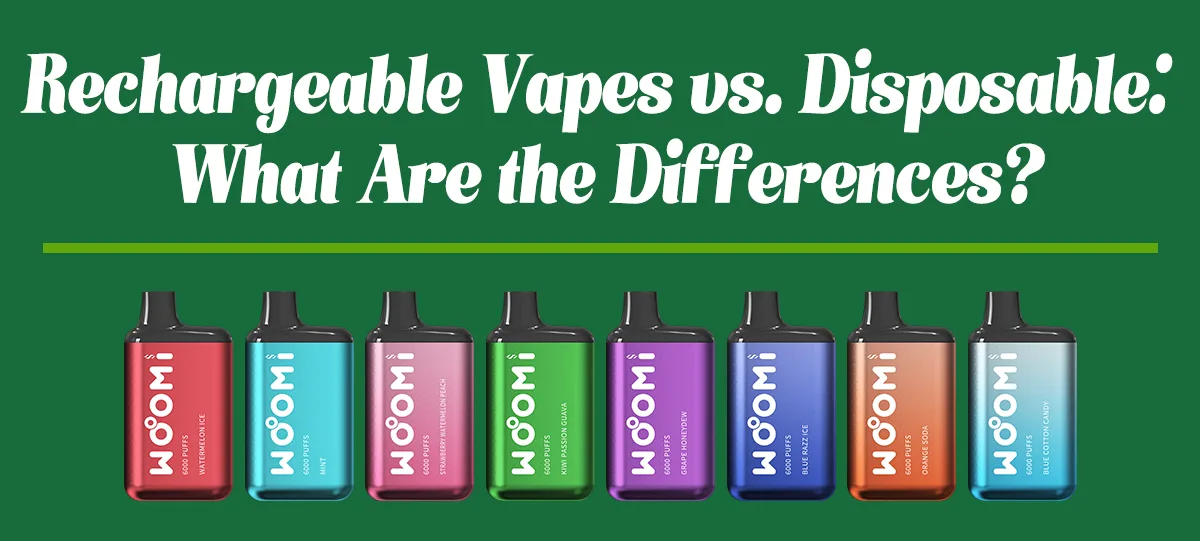
Disposable vapes appeal because of their low upfront cost, typically $10 to $25. This makes them attractive for beginners or temporary use. However, the true cost quickly adds up with consistent use.
A moderate vaper using one pod daily at $15 per pod spends $450 per month, or $5,400 annually. A light vaper using half a pod daily still spends $2,700 annually. Higher nicotine content and lower puff counts increase replacement frequency, making these expenses accumulate quickly.
Taxes vary significantly by state and locality, further increasing costs. While convenient, the long-term financial implications of disposables are substantial; they are the most expensive way to vape over time.
Refillable vape costs: upfront and ongoing
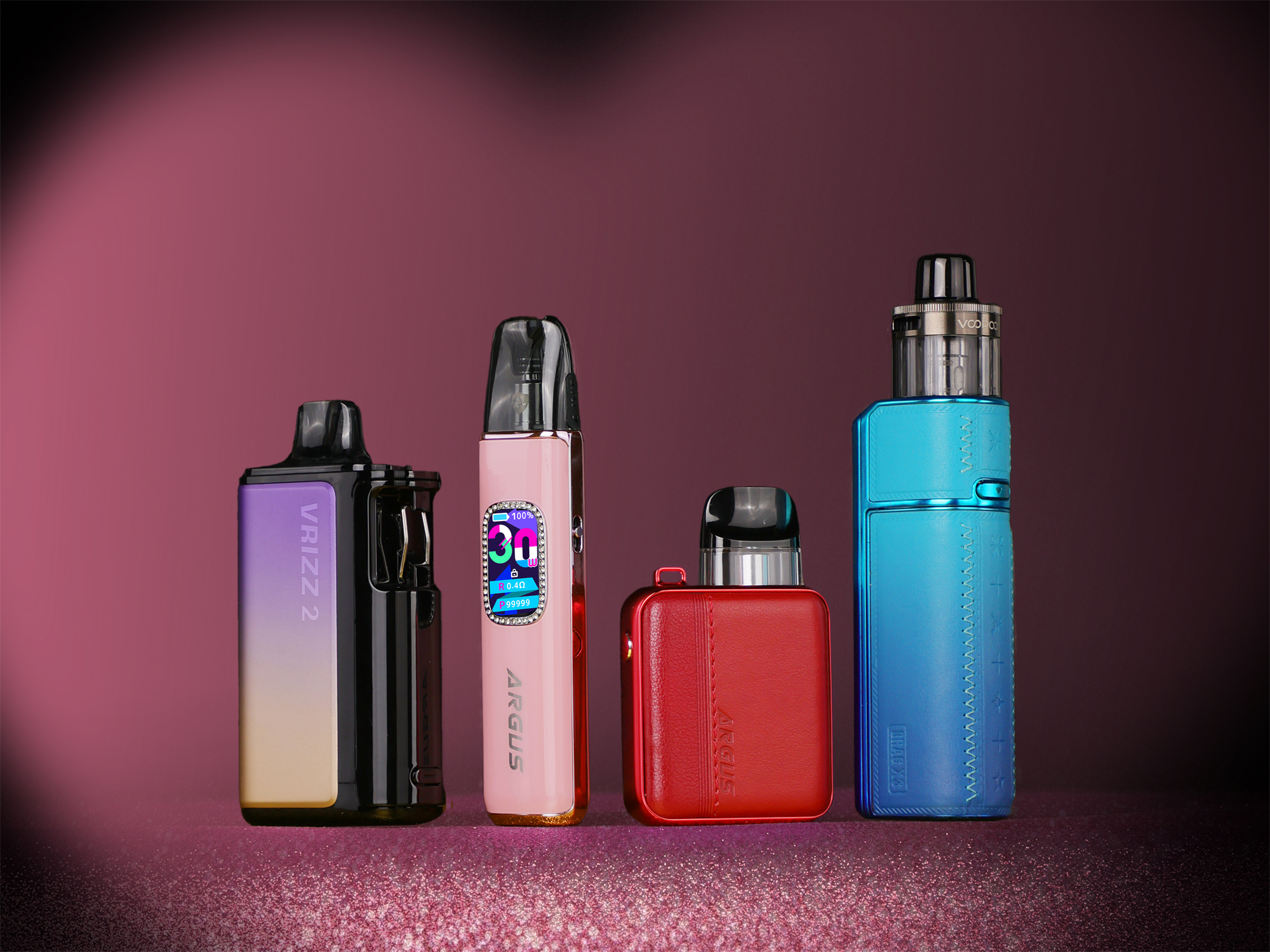
Refillable vapes require a larger initial investment, ranging from $30 for basic pod systems to over $150 for advanced tank systems. Brands like ASVAPE have offered devices since 2016. This upfront cost is offset by lower long-term expenses.
Ongoing costs for refillable vapes include e-liquid and replacement coils or pods. A 30ml bottle of e-liquid ($10-$20) lasts one to two weeks for a moderate vaper. Replacement coils or pods ($5-$15) need changing every 1-4 weeks. Battery replacements are an eventual expense.
Pod systems (e.g., JUUL, Vuse Alto) are more affordable upfront but have higher replacement costs. Tank systems require a larger initial investment but offer lower long-term costs due to tank reusability and affordable coils. Finding the right setup may require experimentation.
Long
Comparing long-term costs across three scenarios—light (half pod/day), moderate (one pod/day), and heavy (two pods/day)—shows significant differences. For disposables, we assume $15 per pod. For refillables, we assume a $75 initial device cost, $15/month for e-liquid, and $10/month for coil replacements.
Over one year, light, moderate, and heavy vapers using disposables spend $2,700, $5,400, and $10,800 respectively. Refillable vapers spend approximately $975. Over three years, disposable costs reach $8,100, $16,200, and $32,400, while refillables cost around $3,000. The five-year differences are even greater.
These are estimates; costs vary by preference, brand, and product choice. Buying e-liquid in bulk offers savings. However, refillable vapes are clearly more cost-effective long-term due to lower ongoing expenses, despite a higher initial investment.
Disposable vs. Refillable Vapes: A Comparative Analysis (2026 Outlook)
| Feature | Disposable Vapes | Refillable Vapes |
|---|---|---|
| Initial Cost | Low | Medium to High |
| Long-Term Cost | High | Low to Medium |
| Convenience | High | Medium |
| Environmental Impact | Poor | Fair to Good (dependent on user behavior) |
| Customization | None | Extensive |
| Maintenance | None | Moderate |
| E-liquid Capacity | Limited (pre-filled) | Variable (refillable) |
| Device Lifespan | Short (single use) | Long (reusable) |
Illustrative comparison based on the article research brief. Verify current pricing, limits, and product details in the official docs before relying on it.
Environmental Impact: A Growing Concern
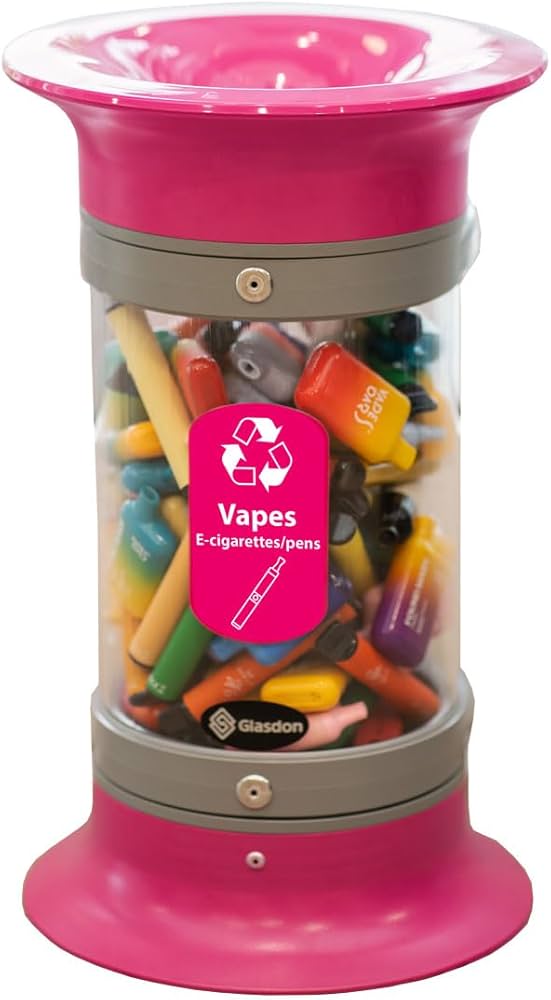
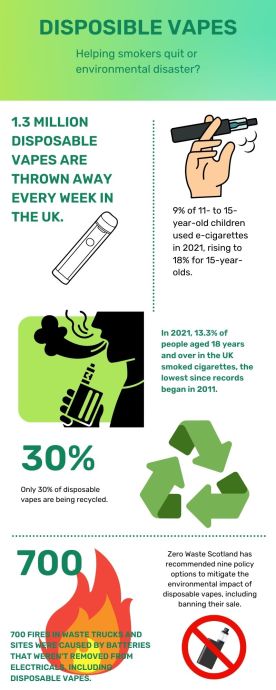
Disposable vapes are a primary environmental concern. Each device contains a battery, plastic casing, and packaging, contributing to plastic waste. Millions end up in landfills, leaching chemicals, with batteries posing an ignition hazard.
Recycling disposable vapes is difficult due to mixed materials, challenging separation for recycling facilities. This results in significant electronic waste.
Refillable vapes have a smaller environmental footprint, though manufacturing and e-liquid production consume energy and resources. Disposing of coils and pods also creates waste, but these components are smaller than disposable devices. Responsible recycling and advocating for sustainable materials can mitigate impacts. PACT Act shipping restrictions may increase carbon emissions from transportation.
Eco-Friendly Vape Accessories for a Sustainable Vaping Experience
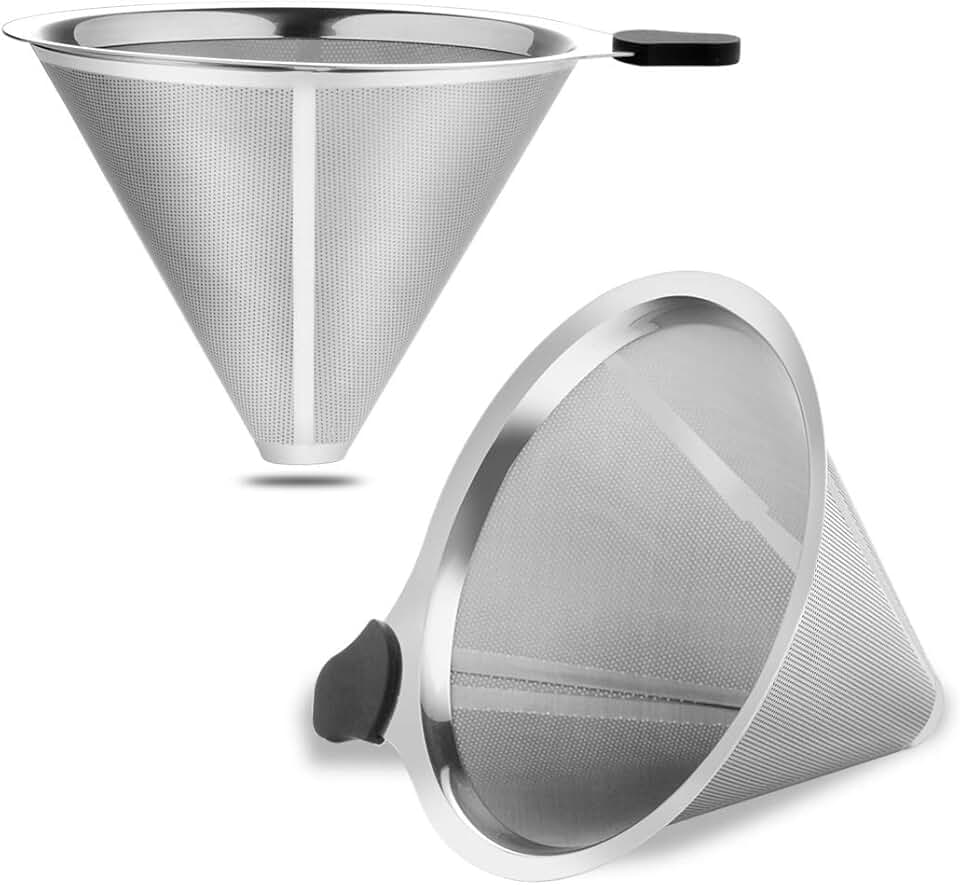
Made from durable stainless steel · Paperless and reusable design · Easy to clean and maintain
This reusable coffee filter offers a sustainable alternative to disposable paper filters, reducing waste associated with coffee preparation.

Includes 18 lanyards in 9 different styles · Features silicone rubber rings for secure attachment · Adjustable strap for comfortable wear
These lanyards provide a practical solution for keeping track of vape pens, reducing the likelihood of loss and the need for replacements.
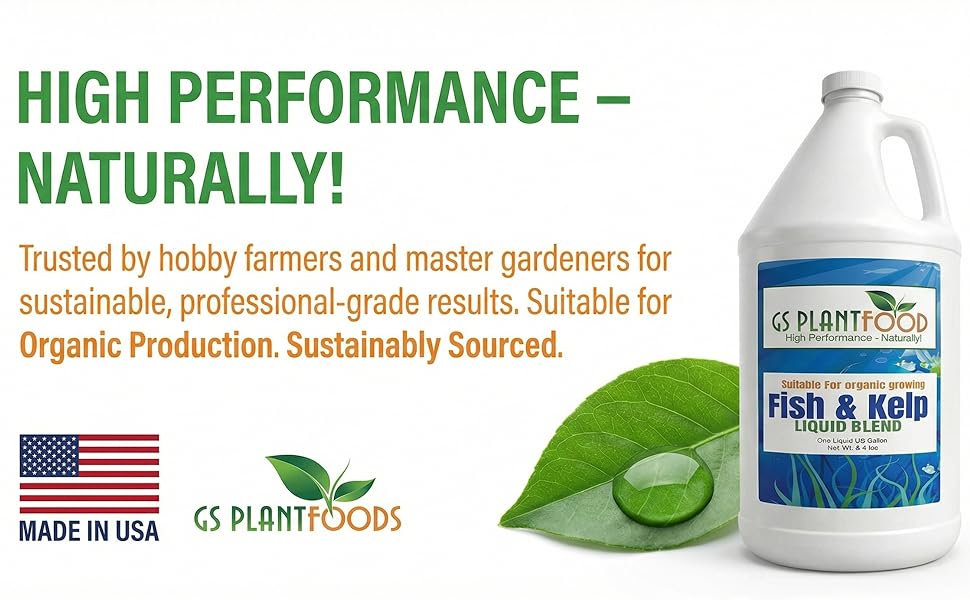
Nicotine salt e-liquid for smooth vaping · Flavor profile: Fuji Apple, Strawberry, Peach · Available in various nicotine strengths
Pachamama is known for its commitment to using high-quality ingredients and offering a wide range of flavors, appealing to vapers seeking premium e-liquids.

Pack of two portable ashtrays · Fireproof ABS and metal construction · Smell-proof design with keychain attachment
These portable ashtrays encourage responsible disposal of cigarette butts, helping to keep public spaces clean and reduce litter.
Comprehensive kit for building and maintaining vape coils · Includes essential tools for DIY vaping · Promotes customization and longevity of vape components
This DIY kit empowers vapers to build and maintain their own coils, potentially extending the life of their vaping hardware and reducing electronic waste.
As an Amazon Associate I earn from qualifying purchases. Prices may vary.
Regulations and the Future of Vaping
Vaping regulations are evolving. The FDA balances public health with consumer access, focusing on flavored e-cigarettes that appeal to young people. Some states and localities have banned flavored disposables.
The PACT Act significantly impacts online vape sales and shipping by prohibiting USPS use, making online purchases more difficult and expensive. This has led to more unregulated online retailers. PACT Act enforcement continues in 2026, with further online landscape changes expected.
Future regulations may include increased taxes, stricter marketing, and flavor limitations. The industry faces pressure for sustainable practices like biodegradable materials and robust recycling programs. Industry standards and responsible manufacturing are crucial for market viability.
Beyond Disposable & Refillable: Emerging Alternatives
Emerging technologies offer alternatives to disposable and refillable vapes. Pod mods with longer lifespans and improved battery technology aim to reduce waste and increase convenience. Innovative coil designs extend component lifespan.
Interest is growing in biodegradable or compostable vape components. These early-stage technologies promise a more sustainable future, though biodegradability depends on specific composting conditions not always available to consumers.
These alternatives are not yet mainstream but represent a step toward reducing vaping's environmental impact. Advancing technology will likely bring more innovative solutions for sustainability and convenience.
No comments yet. Be the first to share your thoughts!