
Vaping Cannabis: The Legal Status in 2026
Cannabis vaping laws are fragmented and vary dramatically by state. Predicting the exact legal status in 2026 is difficult, but current trends, pending legislation, and court decisions offer clues. Public opinion, political shifts, and public health concerns all influence these evolving regulations.
Regulations for cannabis vaporizers are inconsistent. Some states have legalized and created frameworks for recreational and medical use, while others maintain bans. A gray area exists for Delta-8 THC and other hemp-derived cannabinoids, with uncertain legality and ongoing legal challenges.
State legislation is the primary driver of change in cannabis vaping laws. Bills to legalize, regulate, or restrict vaping are frequently introduced. Court rulings clarify ambiguous laws or overturn restrictive regulations. Growing public support for cannabis legalization also pressures lawmakers. These trends will likely continue into 2026, further altering the legal status of cannabis vaporizers.
Understanding these regulations is essential for consumers and businesses in the cannabis vaping industry. This guide breaks down state-by-state regulations for 2026.
State-by-State Breakdown: Recreational Cannabis
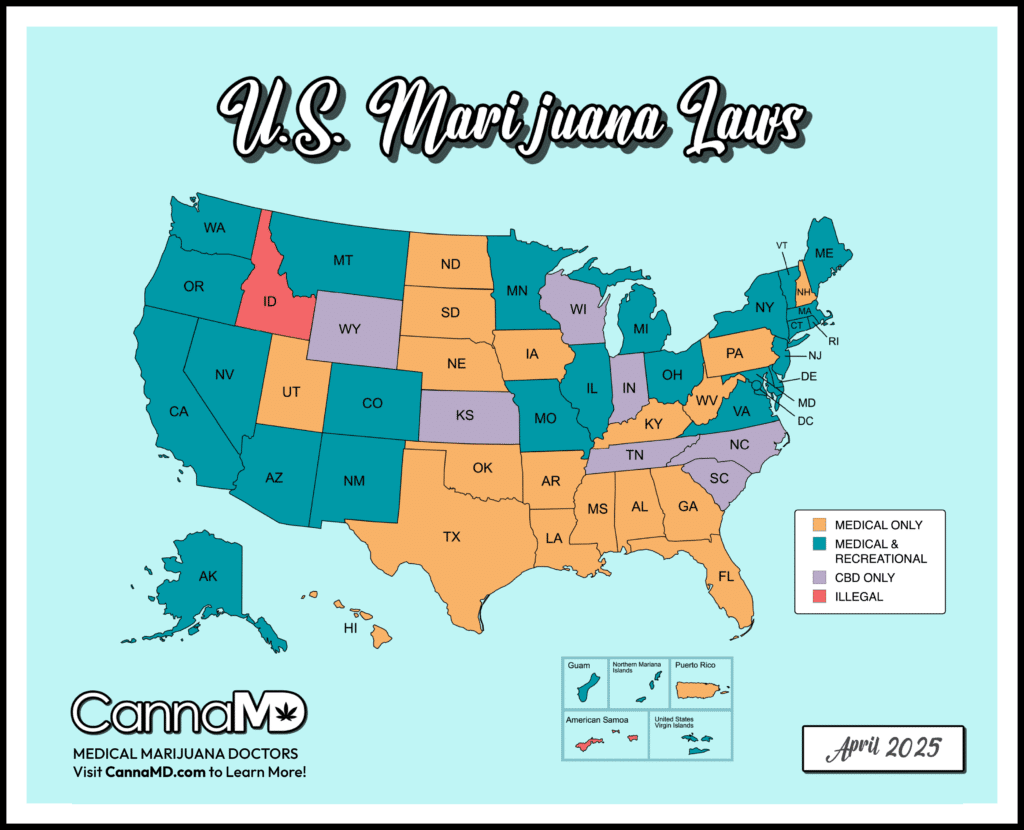
As of late 2024, the following states have legalized recreational cannabis: California, Colorado, Washington, Oregon, Alaska, Illinois, Michigan, Vermont, Maine, Massachusetts, Nevada, Arizona, Montana, New Jersey, New Mexico, Connecticut, Rhode Island, Maryland, Missouri, Delaware, and Minnesota. Each state has unique vaping regulations that will likely evolve by 2026.
California caps THC content in vape cartridges at 1000mg and requires extensive testing for contaminants like pesticides and heavy metals. Retailers need state licenses and must follow strict advertising guidelines. By 2026, California may ban flavors appealing to minors.
Colorado has an established regulatory framework requiring contaminant testing and THC limits. Its regulations are generally less restrictive than California's, especially regarding flavors. Colorado may introduce stricter flavor regulations by 2026, similar to California.
Illinois has complex regulations with a tiered licensing system for cultivators, processors, and retailers, plus strict packaging and labeling rules. The state is addressing the illicit market and may increase enforcement and penalties for violations. Vape cartridge potency is also limited.
New Jersey has a robust regulatory system prioritizing product safety and consumer protection, requiring contaminant testing and accurate labeling for all cannabis products, including vaporizers. New York is still implementing its recreational program but is expected to adopt similar stringent regulations. New York will be a state to watch in 2026 as its approach refines.
Michigan has a relatively open market with diverse products and flavors. However, concerns about youth vaping and the illicit market may lead to stricter regulations on flavors and packaging in the coming years.
Arizona caps THC content in vape cartridges, requires contaminant testing, and has specific labeling regulations for cannabis products. The state continues to refine its regulatory framework, with further changes expected by 2026.
Oregon's regulations focus on preventing underage access and ensuring product safety through strict testing requirements and THC limits. The state also leads in tracking cannabis sales for enforcement and tax collection.
Washington State prioritizes product safety and consumer protection with strict testing requirements and labeling regulations. The state is also proactive in addressing the illicit market and refining enforcement strategies.
Massachusetts has a comprehensive regulatory system with strict licensing, testing, and labeling requirements for all cannabis businesses. As a mature market, it will likely continue to refine its regulations.
A trend across these states is an increased focus on product safety, with more states likely to adopt stricter contaminant testing and regulations against counterfeit or adulterated products.
- California: THC limit of 1000mg per cartridge, strict testing for contaminants.
- Colorado: Less restrictive than California, potential for stricter flavor regulations.
- Illinois: Tiered licensing system, complex regulations, focus on enforcement.
- New Jersey: Robust regulations, emphasis on product safety.
- Michigan: Relatively open market, potential for stricter flavor and packaging rules.
2026 Cannabis Vaporizer Laws: State-by-State Guide
| State | Recreational Legal Since | THC Limit (vape) | Flavor Restrictions | Licensing Requirements | Notes |
|---|---|---|---|---|---|
| Colorado | 2014 | Concentrate products, including those for vaping, are subject to testing for potency. Limits are determined by product type. | Restrictions on marketing to youth; some local jurisdictions may have additional flavor restrictions. | Extensive licensing for cultivators, manufacturers, and retailers. Manufacturing licenses required for vape cartridge production. | Ongoing discussions regarding THC cap adjustments for concentrates. |
| Washington | 2012 | THC limits for vape products are regulated based on product category. Specific limits are defined by the Washington State Liquor and Cannabis Board. | Flavor restrictions are evolving; currently, some flavors are prohibited if they appeal to minors. | Multi-tiered licensing system covering production, processing, and retail. Strict track-and-trace requirements. | Recent focus on regulating the use of additives in vape products. |
| Oregon | 2015 | THC limits for vape products are set by product type, with testing requirements for potency and contaminants. | Flavor restrictions have been debated, with some local jurisdictions enacting bans on certain flavors. | Licensing is required for all stages of the cannabis supply chain. Testing is mandatory. | Legislative updates are frequently proposed regarding packaging and labeling requirements for vape products. |
| California | 2016 | THC limits vary depending on the product type and are subject to testing requirements. | Flavor restrictions are present, with a ban on flavors that appeal to minors. Local jurisdictions can impose stricter regulations. | Comprehensive licensing system for cultivation, manufacturing, distribution, and retail. Stringent testing and packaging standards. | Ongoing efforts to combat the illicit vape market. |
| Illinois | 2020 | THC limits for vape cartridges are regulated, with testing required for potency and contaminants. | Flavor restrictions are in place, prohibiting flavors that appeal to minors. | Licensing is required for cultivators, processors, and dispensaries. A lottery system was used for initial dispensary licenses. | Recent changes focus on increasing equity in the cannabis industry. |
| Massachusetts | 2018 | THC limits for vape products are regulated by the Cannabis Control Commission. | Flavor restrictions are in place, with a focus on preventing products that appeal to youth. | Licensing is required for all cannabis businesses, including cultivators, processors, and retailers. Strict quality control standards. | Ongoing review of regulations related to vape product safety. |
| Ohio | 2023 | Vaporizing device submissions are required, and the Department of Commerce provides guidance on compliance. (Source: com.ohio.gov) | Flavor restrictions are currently under review. The state is focused on ensuring product safety. | Licensing requirements are being established under the new adult-use cannabis program. | New regulations are actively being developed following voter approval of recreational cannabis. |
Illustrative comparison based on the article research brief. Verify current pricing, limits, and product details in the official docs before relying on it.
Medical Cannabis Vaping Regulations
Medical cannabis programs often have different regulations than recreational legalization, varying by qualifying condition and state policy. Some states allow medical patients access to a wider range of products and higher THC limits than recreational users.
Florida's medical cannabis program is restrictive, with limited qualifying conditions and strict THC content regulations. Vaping is permitted but closely regulated. Florida may consider expanding its program in the coming years, potentially easing vaping regulations.
Pennsylvania's medical cannabis program is more expansive than Florida's, with more qualifying conditions and product variety. However, vaping regulations remain strict, including THC limits and lab testing requirements. Pennsylvania is addressing supply chain issues to improve patient access.
New York's medical cannabis program has become more accessible, now allowing a wider range of products, including vapes, and increased THC limits. The program will likely continue to expand, potentially aligning with the recreational program.
Arizona's medical cannabis program allows patients with a valid card to purchase and possess products, including vaporizers. Vaping regulations are relatively lenient but require contaminant testing. Arizona will likely continue to refine its program, potentially easing access and product availability restrictions.
Ohio's Department of Commerce has specific submission guidance for vaporizing devices, detailing testing and labeling requirements crucial for manufacturers and retailers. Details are available on com.ohio.gov.
A common trend in medical cannabis states is the increasing acceptance of vaping as a legitimate method of administration. However, regulators remain concerned about the potential health risks associated with vaping, and are likely to continue to monitor the industry closely. Expect to see more states adopting stricter testing requirements and labeling regulations in the coming years.
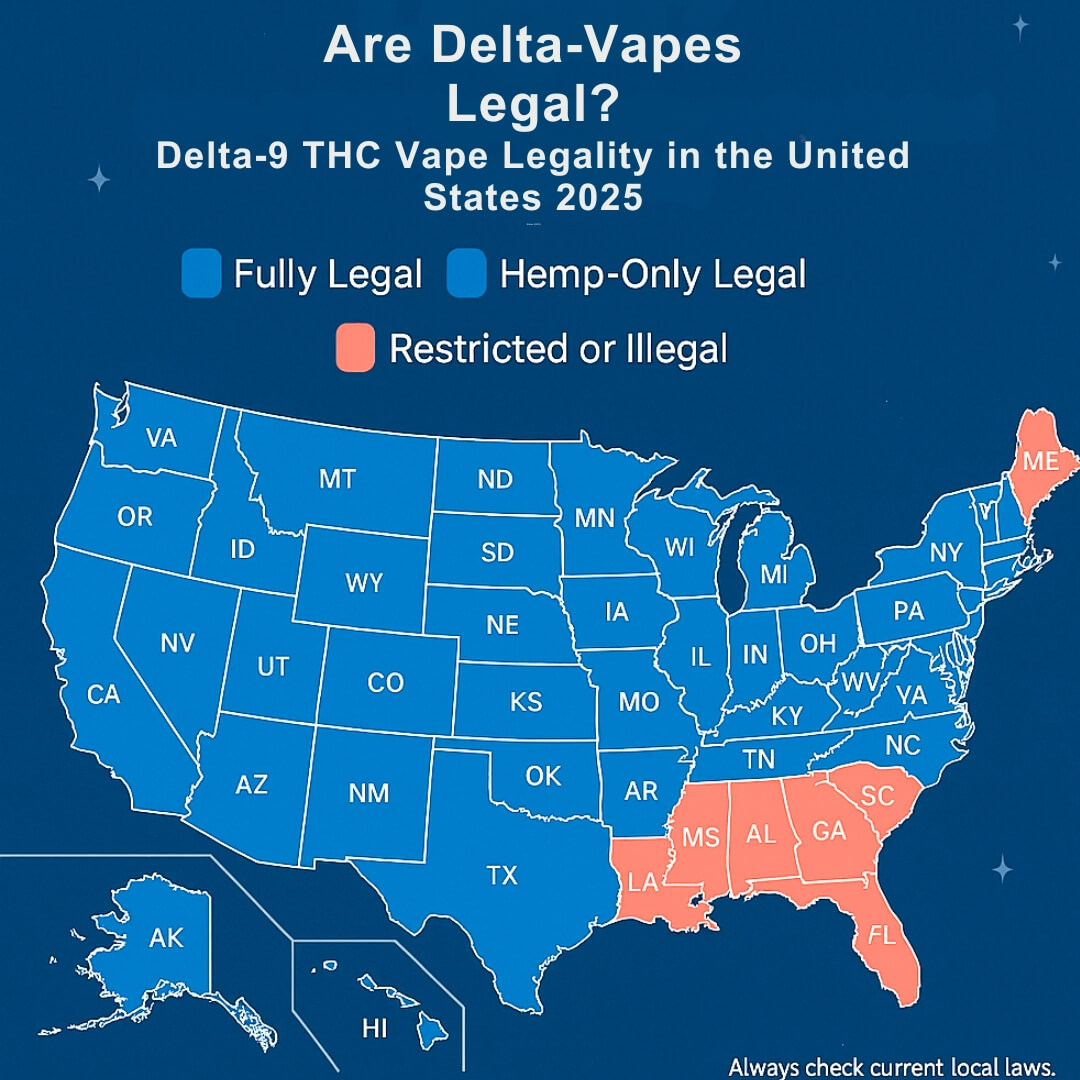
States with Restrictions: Delta-8 and Hemp-Derived Vapes
The legal status of Delta-8 THC and other hemp-derived cannabinoids is a complicated issue. In many states where cannabis is illegal, these products are available, creating a gray area that has sparked legal challenges. Delta-8 THC is a psychoactive cannabinoid found in small amounts in the cannabis plant. It’s often produced by chemically converting CBD, a non-psychoactive cannabinoid found in hemp.
Texas, for example, has attempted to ban Delta-8 THC, arguing that it’s not naturally occurring in hemp and therefore illegal. However, these bans have faced legal challenges, with some courts ruling that the state does not have the authority to regulate hemp-derived cannabinoids. The situation in Texas remains uncertain, and I expect it will continue to be litigated in the coming years.
North Carolina has also taken steps to restrict the sale of Delta-8 THC products. They have issued cease-and-desist letters to retailers selling these products, and have argued that they are illegal under state law. Similar to Texas, North Carolina’s efforts to ban Delta-8 THC have faced legal challenges.
Indiana has also seen a crackdown on Delta-8 THC, with state officials issuing warnings to retailers and seizing products. The legality of Delta-8 THC in Indiana is currently being debated in court.
Ohio, as mentioned earlier, has specific Vaporizing Devices Submission Guidance from the Department of Commerce. While this doesn’t specifically address Delta-8, it highlights the state’s focus on regulating vaporizing devices regardless of their cannabinoid source. This suggests a potential for more comprehensive regulation of all vape products in the future.
The key takeaway is that the legality of Delta-8 THC and other hemp-derived cannabinoids is constantly evolving. States are grappling with how to regulate these products, and the legal landscape is likely to remain uncertain for the foreseeable future. It’s crucial to stay informed about the latest developments in your state.
Delta-8 & Hemp Vape Restrictions
- Alaska - Delta-8 THC is legal, but regulations are evolving. While not explicitly banned, the state is actively clarifying its stance, and products are subject to existing hemp regulations.
- Arizona - Delta-8 THC is legal, but the Arizona Department of Health Services has issued warnings about unregulated products and potential health risks. Vapor products are subject to licensing and testing requirements.
- Colorado - Delta-8 THC is legal, but subject to strict regulations similar to those for Delta-9 THC, including age restrictions, testing, and packaging requirements. Hemp-derived vapor products must meet specific standards.
- Connecticut - As of late 2023, Connecticut effectively banned Delta-8 THC through legislation targeting its production and sale. Hemp-derived vapor products are heavily regulated and require licensing.
- Delaware - Delta-8 THC is legal, but the state has been considering legislation to regulate its sale. Current regulations focus on hemp-derived products and require lab testing.
- Idaho - Delta-8 THC is fully illegal. Idaho has a broad definition of marijuana that includes all THC isomers, making the sale, possession, and manufacture of Delta-8 products prohibited.
- Kansas - Delta-8 THC is illegal. Kansas law prohibits the sale of products containing more than 0.3% Delta-9 THC, effectively banning Delta-8 as well. Enforcement varies.
- New York - Delta-8 THC is legal, but subject to evolving regulations. The state’s Cannabis Control Board has the authority to regulate hemp-derived cannabinoid products, including vaporizers, and is actively developing rules.
Federal Regulations & Interstate Commerce
The federal government's stance on cannabis remains a significant obstacle to the industry. Currently, cannabis is classified as a Schedule I drug under the Controlled Substances Act, meaning it’s illegal at the federal level. This creates a conflict between state and federal laws, and poses challenges for businesses operating in the cannabis industry.
However, there’s growing momentum for federal cannabis reform. The Biden administration has expressed support for rescheduling cannabis, which would remove it from Schedule I and potentially allow for greater access to research and investment. Rescheduling cannabis would not fully legalize it at the federal level, but it would be a significant step forward.
The biggest challenge remains interstate commerce. Because cannabis is illegal at the federal level, it’s illegal to transport cannabis products across state lines, even between states where cannabis is legal. This creates significant logistical and economic challenges for businesses, and limits consumer access to products.
The STATES Act, which would protect state cannabis laws from federal interference, has been introduced in Congress several times, but has yet to pass. If the STATES Act were to become law, it would remove a major obstacle to interstate commerce and allow for a more rational regulatory framework.
The federal government also has the authority to regulate hemp-derived cannabinoids, such as Delta-8 THC. The USDA has issued regulations regarding the production of hemp, but the legality of Delta-8 THC remains uncertain at the federal level. The DEA has indicated that it may take action to regulate Delta-8 THC if it determines that it poses a public health risk.
Vaporizer Hardware Regulations
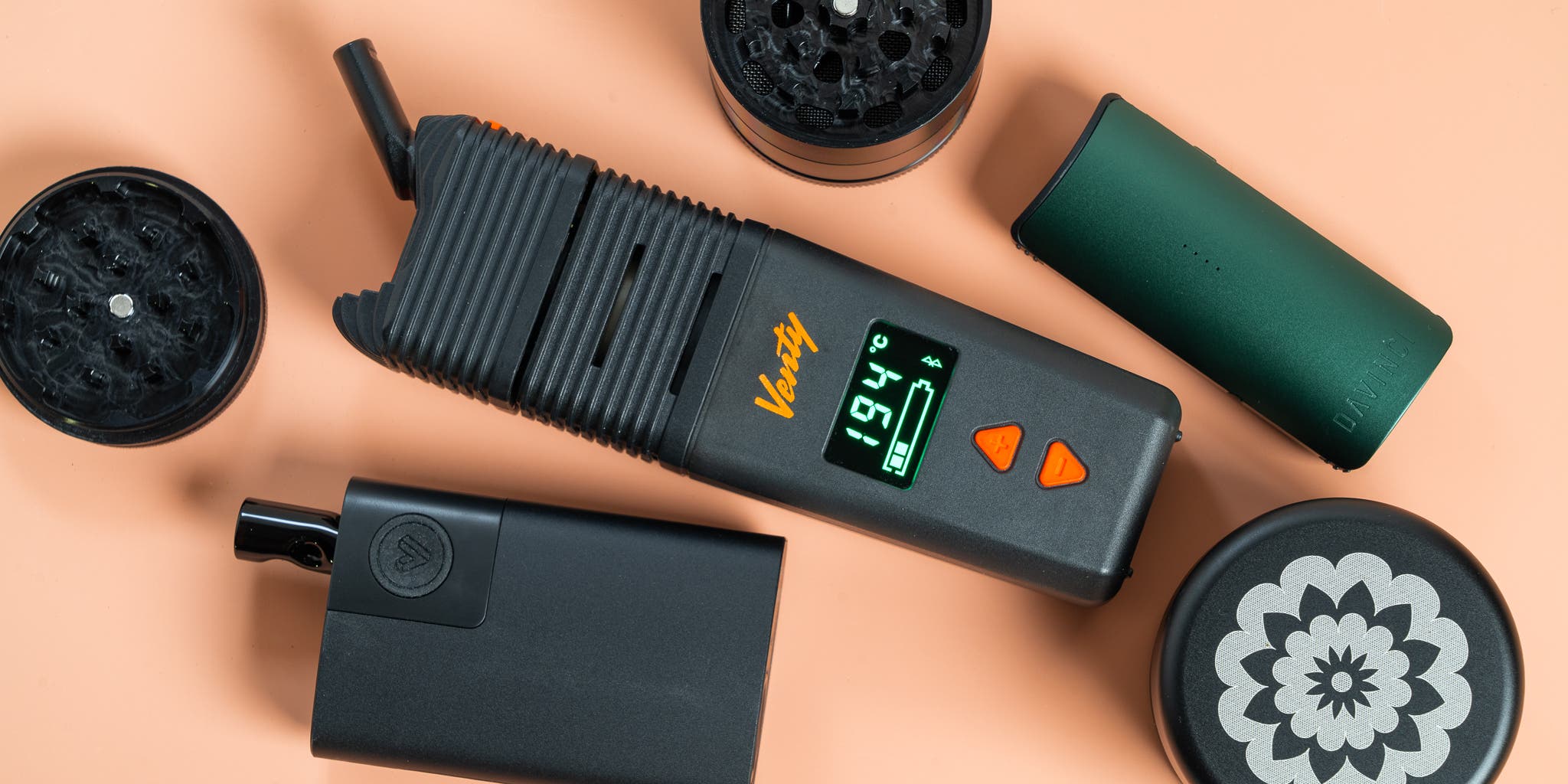
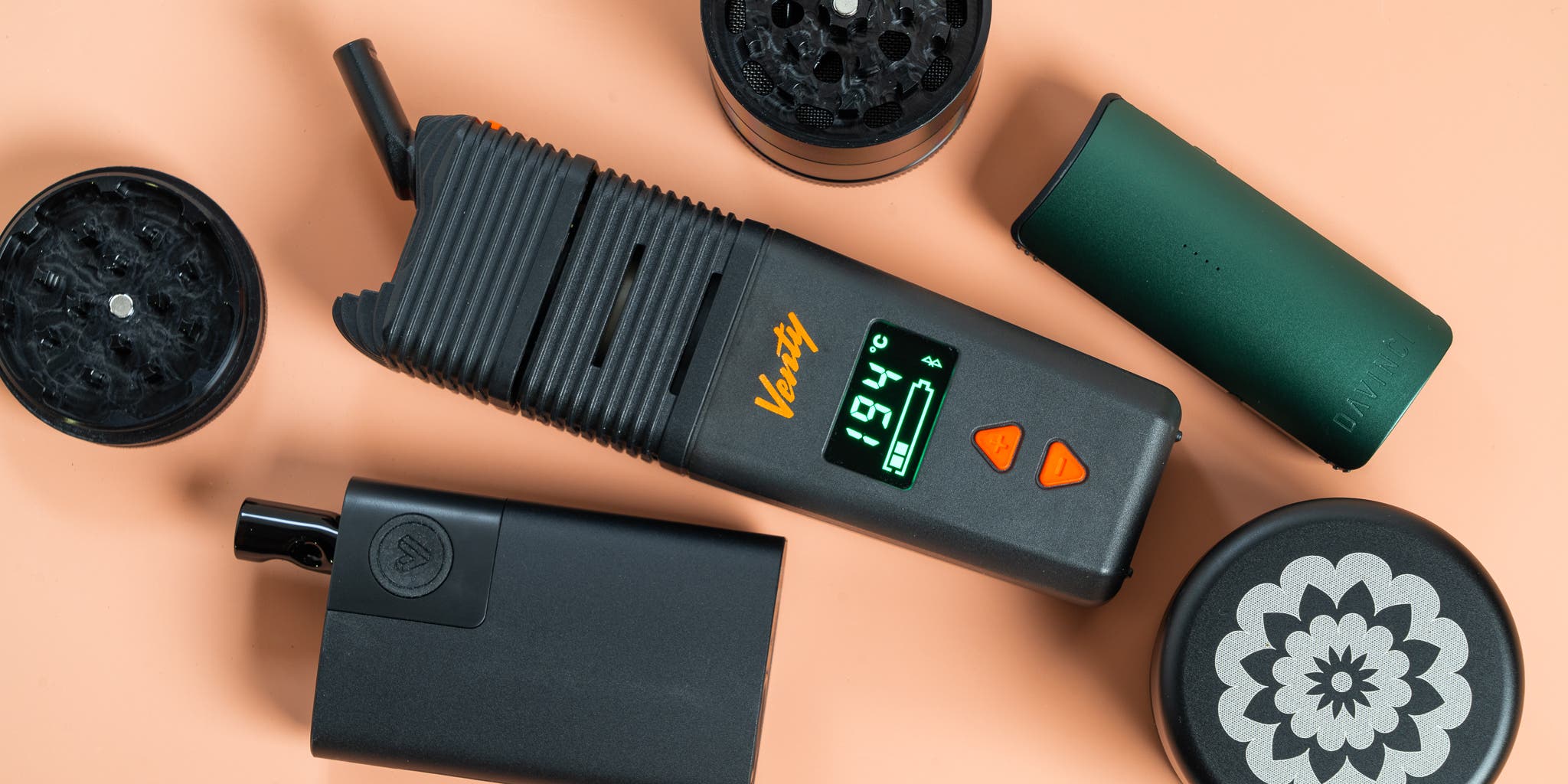
Beyond the cannabis itself, the hardware used for vaping is also subject to regulation. Concerns about product safety, particularly regarding battery failures and the presence of harmful substances, have led to increased scrutiny of vape pens and cartridges.
Many states now require testing of vape pen batteries and cartridges for heavy metals and other contaminants. They also have regulations regarding the materials used in the construction of these devices, aiming to minimize the risk of exposure to harmful chemicals. The Vaporizer Wizard consistently recommends brands that prioritize safety and quality in their portable vaporizers.
The potential for stricter regulations is high. We could see more states adopting standards for battery safety, requiring manufacturers to use certified batteries and implement safety features to prevent overheating or explosions. There's also growing concern about the use of Vitamin E acetate, a thickening agent that was linked to a vaping-related lung injury outbreak in 2019. Many states have banned the use of Vitamin E acetate in vape products.
Packaging and labeling are also key areas of focus. States are requiring manufacturers to clearly label vape products with information about THC content, ingredients, and potential health risks. They’re also implementing regulations to prevent packaging that is appealing to minors.
Expect to see increased collaboration between state and federal regulators on vape hardware standards. The FDA has the authority to regulate tobacco products, including e-cigarettes, and could potentially extend its authority to cover cannabis vaporizers. This could lead to more uniform regulations across the country.
What is your biggest concern regarding the safety of cannabis vape pens?
Vote below!
Enforcement and Penalties
Violating cannabis vaping laws can result in a range of penalties, depending on the severity of the offense and the state’s laws. For individuals, penalties can include fines, confiscation of products, and even jail time. For businesses, penalties can be even more severe, including license revocation and criminal charges.
In states where cannabis is illegal, possession of even small amounts of cannabis or vaping products can result in criminal penalties. The penalties can vary depending on the amount possessed and the individual’s prior criminal record.
In states with legal cannabis, penalties are typically less severe, but can still include fines for possession of more than the legal limit or for violating other regulations, such as selling to minors. Businesses that violate regulations can face hefty fines and potential license suspension or revocation.
Enforcement efforts are often focused on cracking down on the illicit market, targeting unlicensed retailers and manufacturers. States are also increasing their efforts to prevent underage access to cannabis products, conducting sting operations and enforcing age verification laws.
It’s crucial to be aware of the laws in your state and to comply with all regulations. Ignorance of the law is not a valid defense, and you could face serious consequences for violating cannabis vaping laws. Staying informed through resources like AskVape can help you navigate this complex legal landscape.
No comments yet. Be the first to share your thoughts!