
Cannabis vaporizer regulations in 2026
Cannabis laws change fast, and vapes are usually the first target for new restrictions. Even with federal prohibition, states are moving toward full legalization at a steady clip. By 2026, we expect the current mess of state-specific rules to get even more complicated as local governments move from basic legalization to granular product standards.
However, it’s far from a uniform process. Some states are embracing a more permissive approach, treating vaporizers similarly to other cannabis products, while others are implementing strict controls, mirroring regulations applied to nicotine vaping devices. This disparity is driven by concerns around public health, youth access, and enforcement challenges. The lack of clear federal guidance adds another layer of complexity.
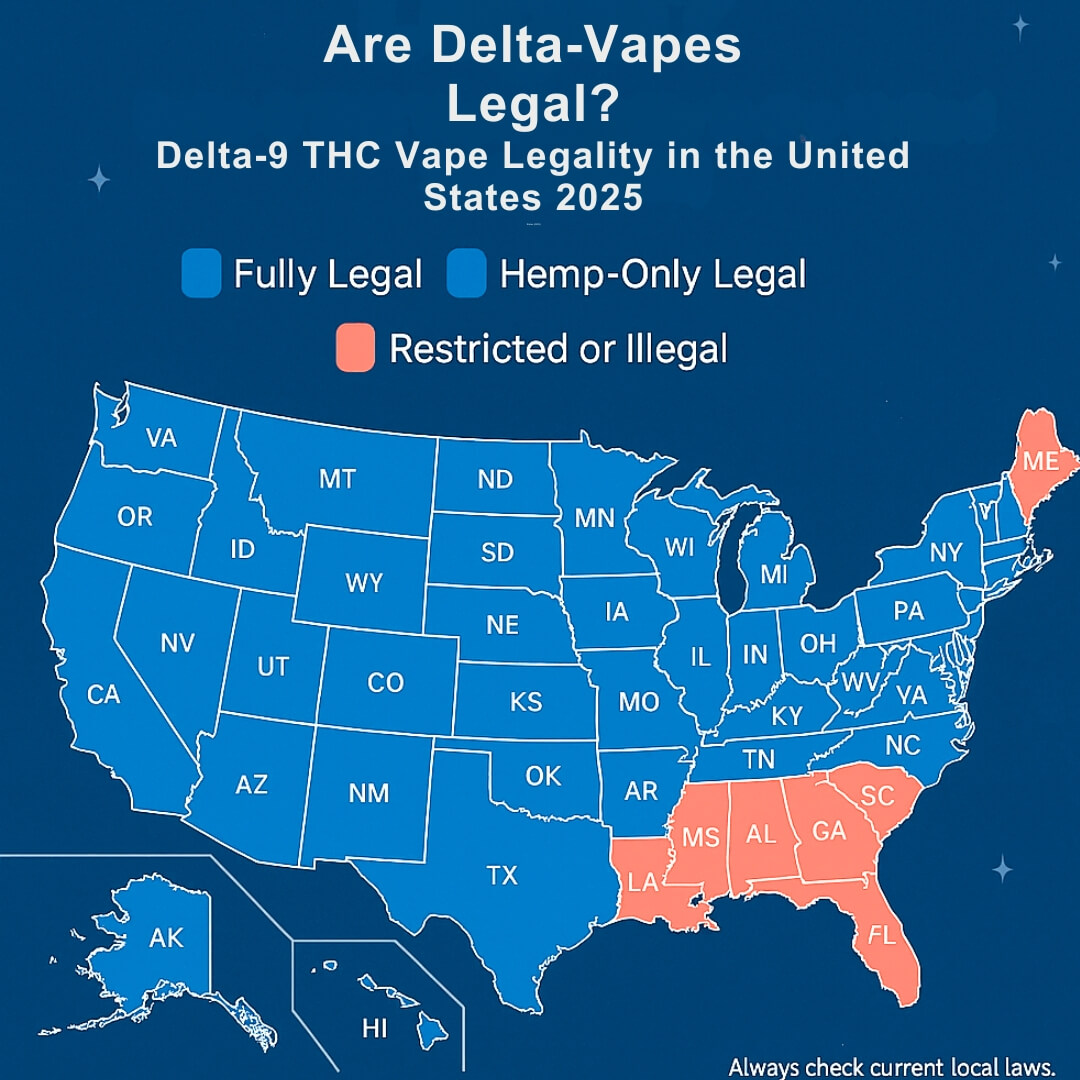
I expect the gap between states to widen by 2026. California and New York are already tightening rules on hardware safety and heavy metal testing. Conservative states that legalize later will likely prioritize tax revenue and strict retail limits. These rules change every legislative session, so what works today might be illegal by next summer.
For local vape shops, this means staying informed is absolutely critical. The legal status of cannabis vaporizers can shift rapidly, and non-compliance can lead to hefty fines or even business closure. Understanding the specific regulations in your state – and even your local jurisdiction – is the first step towards operating legally and responsibly. The next sections will break down the specifics for several key states.
State-by-state breakdown
Let’s look at how key states are approaching cannabis vaporizer regulations. It’s important to note that these are summaries, and laws are subject to change. Always verify with official state sources for the most up-to-date information.
California: California’s Bureau of Cannabis Control regulates all cannabis products, including vaporizers. Age restrictions are 21+, and there are strict testing requirements for all vape cartridges to ensure they are free from harmful contaminants like Vitamin E acetate. Public consumption is generally prohibited, except where explicitly allowed by local ordinances.
New York: New York’s Cannabis Control Board has implemented similar regulations to California, with a focus on product safety and testing. The state also has a track-and-trace system to monitor the supply chain. Possession limits are defined by weight, and public consumption is restricted. Licensing for cannabis retailers is competitive and heavily regulated.
Florida: Florida’s medical marijuana program allows for the use of vaporizers, but with specific restrictions on THC content and approved vendors. Recreational use remains illegal, and laws are more conservative than in states with adult-use markets. The state is currently considering ballot initiatives to legalize recreational cannabis, which could significantly change the regulatory landscape.
Texas: Texas maintains a very limited medical marijuana program, and the legal landscape for cannabis vaporizers is restrictive. Only low-THC cannabis products are permitted, and access is limited to patients with specific medical conditions. Recreational use and possession are illegal.
Ohio: Ohio recently legalized recreational cannabis, and the state is still developing its regulatory framework. According to guidance from the Ohio Department of Commerce, vaporizing devices require submission and approval before sale. This includes providing detailed information about the device's components, materials, and safety testing. Age restrictions are 21+, and possession limits apply.
Colorado: As a pioneer in cannabis legalization, Colorado has a relatively mature regulatory system. Vaporizers are subject to the same rules as other cannabis products, including testing, labeling, and age restrictions. The state also regulates the potency of THC in vape cartridges.
Illinois: Illinois implemented a comprehensive cannabis regulatory system after legalizing recreational use. Vaporizers are subject to strict testing and labeling requirements, and the state monitors the market closely for illicit products. Public consumption is limited, and possession limits apply.
Michigan: Michigan’s cannabis regulations are similar to those in Illinois and Colorado, with a focus on product safety and consumer protection. Vaporizers must be tested for contaminants, and packaging must include clear warning labels. The state also regulates the advertising and marketing of cannabis products.
2026 Cannabis Vaporizer Laws: State-by-State Guide
| State | Recreational Legal? | Medical Legal? | Possession Limit (Flower Equivalent) | Vaporizer Device Restrictions | Notes |
|---|---|---|---|---|---|
| California | Yes | Yes | Up to 28.5 grams | Generally permitted, subject to packaging and labeling requirements. Restrictions on advertising. | Regulations regarding heavy metal testing in cartridges are stringent. |
| Colorado | Yes | Yes | Up to 1 ounce | Devices must meet safety standards. Restrictions on potency of concentrates in cartridges. | Colorado has a robust testing program for cannabis products, including vaporizers. |
| Illinois | Yes | Yes | Up to 30 grams | State regulates cartridge design to prevent tampering. Specific rules around additives. | Illinois requires detailed tracking of cannabis products from seed to sale. |
| Massachusetts | Yes | Yes | Up to 1 ounce | Restrictions on flavors, with a focus on preventing youth appeal. Packaging requirements are strict. | Massachusetts has faced challenges with unregulated cartridge market and public health concerns. |
| Ohio | Yes | Yes | Up to 2.5 ounces | Vaporizing devices are subject to submission and approval by the Department of Commerce. Focus on preventing devices that appeal to minors. | Ohio’s guidance emphasizes testing and safety standards for vaporizing devices and requires manufacturers to submit detailed information. |
| Oregon | Yes | Yes | Up to 1 ounce | Regulations on cartridge fill levels and packaging. Restrictions on certain additives. | Oregon has a history of addressing concerns about Vitamin E acetate in cartridges. |
| Washington | Yes | Yes | Up to 1 ounce | Testing requirements for contaminants in cartridges. Restrictions on advertising. | Washington state actively monitors the vape market for illegal and unregulated products. |
Illustrative comparison based on the article research brief. Verify current pricing, limits, and product details in the official docs before relying on it.
How new rules hit local shops
The evolving cannabis vaporizer laws present unique challenges and opportunities for local vape shops. Many shops already sell nicotine vaping products, and adding cannabis vaporizers requires navigating a separate and often more complex regulatory environment. Licensing is the first hurdle. Most states require separate licenses to sell cannabis products, even if you already have a nicotine vape license. These licenses can be expensive and difficult to obtain.
Inventory restrictions are another major consideration. States often limit the types of cannabis vaporizers that can be sold, the THC content allowed, and the packaging requirements. Maintaining accurate inventory records and ensuring compliance with these regulations is crucial. Potential liabilities are significant. Selling cannabis products to minors or selling products that don’t meet safety standards can result in hefty fines, license revocation, and even criminal charges.
Best practices for compliance include implementing robust age verification procedures, such as checking IDs and training staff to recognize fake IDs. It’s also vital to stay informed about changing regulations and to consult with legal counsel to ensure your business is operating legally. Consider investing in point-of-sale systems that can track cannabis sales separately from nicotine sales and generate reports for regulatory compliance.
Verifying customer age is non-negotiable. Beyond simply checking an ID, train employees to spot signs of fraudulent identification. Staying updated on regulations is an ongoing process. Subscribe to industry newsletters, attend legal seminars, and regularly check state government websites for updates. This isn't a 'set it and forget it' situation.
- Get a specific cannabis retail license—your nicotine permit won't cover it.
- Implement robust age verification procedures.
- Maintain accurate inventory records.
- Ensure all products meet state safety standards.
- Train staff on compliance regulations.
- Stay updated on changing laws.
Hardware rules and new tech
Regulations often differentiate between various types of cannabis vaporizers. Disposable vapes are facing increased scrutiny due to environmental concerns and the difficulty of ensuring product safety. Some states are considering bans on flavored disposable vapes, similar to regulations already in place for nicotine products. Refillable vaporizers, while generally viewed more favorably, are still subject to strict testing and labeling requirements.
Pod systems, similar to those used for nicotine vaping, are also becoming popular for cannabis concentrates. These devices are subject to the same regulations as other vaporizers, but may face additional scrutiny due to concerns about cartridge compatibility and potential leaks. The materials used in the vaporizer itself are also becoming a point of focus, with some states requiring manufacturers to disclose the materials used in heating elements and cartridges.
Smart vapes with Bluetooth and dosage tracking are the next regulatory headache. Because these devices sync with phones, they collect user data that most state cannabis boards aren't equipped to handle yet. Expect new rules around data encryption and age-gated app access as these devices become more common.
The regulatory response to these technologies is still evolving. It’s likely we'll see a period of experimentation as states try to balance innovation with public health and safety. It's a dynamic situation, and staying informed about emerging trends is essential for vape shops.
The reality of shipping and online sales
Shipping cannabis vaporizers across state lines is generally illegal, even between states where cannabis is legal. Federal law prohibits the transportation of cannabis, and the U.S. Postal Service prohibits shipping it. This creates significant challenges for online retailers. While some companies attempt to operate in this gray area, they face substantial legal risks.
Verifying customer location and age is also a major challenge for online retailers. Simply relying on a customer’s shipping address is not sufficient, as customers may provide false information. Robust age verification systems are needed, but even these systems are not foolproof. The potential for sales to minors and shipments to prohibited states remains a significant concern.
The legal landscape around online cannabis sales is constantly evolving. Some states are considering allowing limited online sales with strict controls, but this is still a minority position. For now, most states require cannabis sales to occur in licensed brick-and-mortar stores. It's a complex and risky area, and vape shops should proceed with extreme caution.
Top Vaporizer Models & Legal Standing
Building on AskVape’s existing coverage, let’s look at a few popular vaporizer models and their general legal standing. Keep in mind that laws vary significantly by state, so this is just a general overview. The DankGeek VFire 2.0, praised for its versatility and ease of use, is generally permitted in states with legal cannabis markets, provided it's used with compliant cartridges.
The Pax Plus, known for its discreet design and vapor quality, is also widely available in legal states. However, some states may have restrictions on the types of concentrates that can be used with the Pax Plus. The Storz & Bickel Mighty+, a premium portable vaporizer, is generally considered compliant in most legal states due to its high quality and safety features.
These are just a few examples, and the legal status of any vaporizer can change. It’s crucial to verify the specific regulations in your state before selling or using any particular model. Resources like AskVape’s product reviews and state-specific cannabis websites can provide valuable information.
- DankGeek VFire 2.0: Generally compliant in legal states with compliant cartridges.
- Pax Plus: Widely available, but restrictions may apply to concentrates.
- Storz & Bickel Mighty+: Generally compliant due to quality and safety.
Popular Cannabis Vaporizers
- PAX Plus - A popular, discreet, and portable dry herb vaporizer. Generally legal in states with recreational and/or medical cannabis programs, but subject to device-specific regulations in some areas.
- Storz & Bickel Mighty+ - Known for its high-quality vapor production and temperature control. Legal in states with established cannabis markets, but may face scrutiny regarding battery safety standards.
- DaVinci IQ2 - Offers customizable vapor paths and precise temperature settings. Legality mirrors that of other dry herb vaporizers, varying by state and local laws.
- Pulsar APX v3 - A budget-friendly, portable dry herb vaporizer. Legal status dependent on state cannabis laws; often subject to the same regulations as more expensive models.
- XVAPE Hydra - A portable vaporizer capable of handling both dry herb and concentrates. Its legality will depend on the regulations surrounding both dry herb and concentrate vaporizers within a given state.
- Firewood 7 - A fully mechanical vaporizer known for its simplicity and powerful hits. May be subject to increased scrutiny in states with strict vaporizer regulations due to its mechanical nature.
- G Pen Dash - A compact and affordable dry herb vaporizer. Generally legal where dry herb vaporizers are permitted, but may be restricted in areas with limitations on device size or battery capacity.
Resources for Staying Compliant
Staying informed about the ever-changing cannabis vaporizer laws is essential for local vape shops. Here are a few resources to help you stay compliant: State government websites (search for your state’s cannabis control agency), industry associations (like the National Hemp Association), and legal counsel specializing in cannabis law.
AskVape will continue to provide updates and guidance on this topic. However, please remember that AskVape is not a legal advisor, and this information should not be considered legal advice. Always consult with an attorney for specific legal guidance related to your business and location.
No comments yet. Be the first to share your thoughts!