

The case for precision heating
Early e-cigarettes were blunt instruments. You pressed a button and hoped for the best. Modern temperature control changes that by letting you dictate the flavor and vapor density. It isn't a gimmick; it's the difference between a harsh hit and a smooth one, whether you're using flower or e-liquid.
Think about brewing a cup of tea. If the water is too hot, you scald the leaves and get a bitter taste. Too cold, and you don’t extract all the flavor. Vaping is similar. Different compounds in your material vaporize at different temperatures. Temperature control lets you dial in the sweet spot for the specific experience you want. For cannabis, this means unlocking specific terpenes for tailored effects. For nicotine, it’s about maximizing flavor and minimizing harshness.
The FDA is paying attention to the vaping industry, and rightly so. You can find resources on their website (fda.gov) regarding e-cigarettes and electronic nicotine delivery systems. Responsible use is paramount, and understanding your device is a big part of that. Temperature control, when used correctly, can actually reduce some of the risks associated with vaping by preventing combustion – something you definitely want to avoid. It’s about minimizing harmful byproducts.
The way temperature control works differs depending on whether a device uses conduction or convection heating. Conduction involves direct contact with a heated surface, while convection heats the air that passes through the material. Temperature control is more easily implemented and often more precise with convection vaporizers, but both types benefit from the ability to fine-tune the heating process. Choosing the right device depends on your preferences and what you’re vaping.
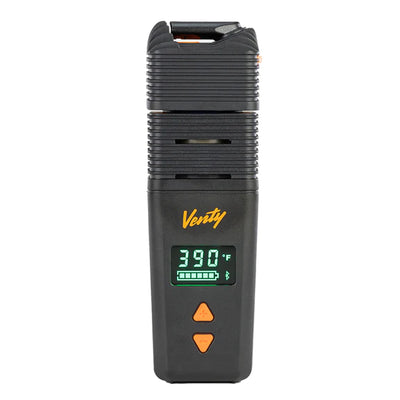
The best temperature control vapes for 2026
The vaporizer market is constantly evolving, and 2026 promises to bring even more sophisticated temperature control options. Here's a look at some of the best devices available now and those expected to make a splash in the near future. I’ve included options for both cannabis and nicotine users, with a focus on devices offering granular temperature control and reliable performance.
First up is the Pulsar APX v3. This is a solid choice for beginners wanting to explore temperature control with cannabis. It’s affordable, portable, and offers a decent temperature range – from 200°F to 440°F. The ceramic heating chamber delivers good flavor, though it’s a conduction device, so you’ll need to stir occasionally. It currently retails around $100. Next, for a premium experience, the DaVinci IQ2 stands out. It boasts precise temperature control down to a single degree, a customizable heating profile, and a sleek design. It's convection-based, offering excellent flavor and vapor quality, and is priced around $250.
Switching to nicotine vapes, the Lostvape Centaurus Q200 is a powerhouse. It’s a vape mod known for its robust temperature control capabilities and compatibility with a wide range of coils. It allows for precise wattage and temperature adjustments, catering to experienced vapers. You can find it for around $120. For something more compact, the Innokin Ares 2 is a good option. It’s a pen-style device with adjustable wattage and temperature control, making it ideal for on-the-go vaping. It’s priced around $60.
Looking ahead to 2026, the Storz & Bickel Mighty+ is still a top contender. While not new, Storz & Bickel consistently refines its technology. The Mighty+ offers incredibly precise temperature control, hybrid heating (conduction and convection), and exceptional vapor quality. It's an investment at around $350, but it’s considered by many to be the gold standard. Also expected to release in late 2025/early 2026 is the rumored Pax Labs Nova. Early reports suggest a significant upgrade to temperature control algorithms and a more durable design. Pricing is currently unknown.
The XMAX V3 Pro is a budget-friendly option that still delivers on temperature control. It’s a convection vaporizer with a wide temperature range and a replaceable 18650 battery. It's a great choice for those who want a versatile and affordable device, around $150. Finally, the Yocan Evolve Plus XL is a popular choice for concentrate users. It features adjustable temperature settings and a quartz coil for excellent flavor. It’s a simple and effective device, priced around $80.
Prices for these units shift based on the retailer. The $350 for a Mighty+ is a steep entry point, but the build quality usually justifies the cost over several years of use. Check current stock at specialized shops rather than general marketplaces to ensure you're getting authentic hardware.
Featured Products

Durable stainless steel construction · 15mm diameter for standard pipes · Includes a convenient storage box
These pipe filters ensure a cleaner draw by effectively catching debris, enhancing the purity of your vapor.

Designed for PAX vaporizers · Includes 3D oven screens and a wire brush · Maintains optimal performance and longevity
Keep your PAX vaporizer in peak condition with this essential maintenance kit, ensuring consistent vapor quality and extending the device's lifespan.

Set of two glass tubes · Includes straight and curved stems (110mm) · Suitable for various lab and air-drying applications
These versatile glass tubes are ideal for precise vapor delivery and controlled airflow in laboratory settings or for air-drying purposes.

Effective odor containment · Durable and discreet design (8x6 inches, Grey) · Ideal for travel and secure storage
This smell-proof box provides discreet and secure storage for your vaping accessories, effectively neutralizing odors for privacy and convenience.
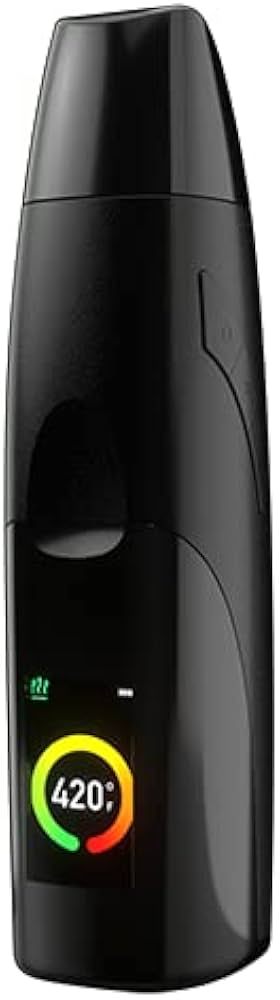
Precise temperature control · Dual-heating technology (conduction and convection) · Integrated air purification system
The G Pen Elite 2 offers advanced temperature customization and a unique air purification system for exceptionally clean and flavorful vapor, making it a top choice for discerning users.
As an Amazon Associate I earn from qualifying purchases. Prices may vary.
How build materials affect your vapor
The materials used in a vaporizer aren’t just about aesthetics; they significantly impact both safety and flavor. Stainless steel is a common material, offering durability and affordability. However, lower-grade stainless steel can sometimes impart a metallic taste. Titanium is another popular choice, known for its corrosion resistance and neutral flavor. It’s often used in coils and heating elements.
Quartz is increasingly used in concentrate vaporizers due to its purity and ability to deliver clean flavor. Ceramic is also a good option, offering a neutral taste and even heating. However, cheaper ceramic materials can sometimes crack or break with prolonged use. Always prioritize devices made with food-grade or medical-grade materials to minimize the risk of inhaling harmful substances.
For nicotine vapes, the coil material is particularly important. Kanthal, nichrome, and stainless steel are common choices. Each material has its own characteristics in terms of resistance, heating speed, and flavor production. Some materials can leach metals into the vapor, so it’s important to choose reputable brands that use high-quality materials.
Conduction vs. Convection Heating in Vaporizers
| Heating Method | How it Works | Flavor Quality | Vapor Density | Efficiency | Best Materials |
|---|---|---|---|---|---|
| Conduction | The material is heated by direct contact with a hot surface (e.g., a metal coil). | Good | Moderate to High | Moderate | Typically suited for denser materials like finely ground tobacco or some concentrates. |
| Convection | Hot air is passed *through* the material, heating it without direct contact. | Excellent | Moderate | Good | Works well with a variety of materials, including flower, concentrates, and oils. Often preferred for preserving terpenes. |
| Conduction - Considerations | Can sometimes lead to combustion if temperature is too high or contact is uneven. | Variable - prone to scorching if not carefully controlled | High, but can be harsh | Can be less efficient due to material sticking to the heating element. | Stainless steel, ceramic, titanium. |
| Convection - Considerations | May require a slightly longer heat-up time compared to conduction. | Clean and bright | Lower, but smoother | Generally more efficient as material isn't directly contacting a hot surface. | Quartz, glass, stainless steel. |
| Hybrid (Conduction & Convection) | Combines both methods for a balance of benefits. | Very Good | Good to High | Good | Often utilizes a combination of materials like ceramic and stainless steel. |
Illustrative comparison based on the article research brief. Verify current pricing, limits, and product details in the official docs before relying on it.
Temperature Settings: A Guide to Optimal Flavors
Temperature is the key to unlocking the full potential of your vaping experience. Different cannabinoids and terpenes in cannabis vaporize at different temperatures, each producing unique effects. Lower temperatures (around 350°F - 380°F) tend to produce more flavorful vapor and a more cerebral, uplifting high. Higher temperatures (around 400°F - 430°F) yield denser vapor and a more body-focused, relaxing effect.
For example, the terpene myrcene, known for its sedative effects, vaporizes at a relatively low temperature. Limonene, which is energizing, vaporizes at a slightly higher temperature. Experimenting with different temperatures allows you to tailor your experience to your desired outcome. Keep in mind this is a starting point; individual preferences vary.
With nicotine e-liquids, temperature control allows you to fine-tune the vapor production and throat hit. Lower temperatures produce less vapor but more flavor, while higher temperatures create thicker clouds but can be harsher on the throat. A good starting point for most e-liquids is between 380°F and 420°F, but again, experiment to find your sweet spot. Different VG/PG ratios will also affect optimal temperatures.
Don't be afraid to start low and gradually increase the temperature until you find the perfect balance of flavor, vapor density, and effects. Many temperature control vaporizers allow you to create custom heating profiles, so you can save your favorite settings for different strains or e-liquids.
Maintenance and Longevity: Keeping Your Vape in Top Shape
Regular cleaning and maintenance are crucial for keeping your temperature control vaporizer performing optimally and extending its lifespan. Residue buildup can affect flavor, vapor production, and even the accuracy of the temperature control system. Start by disassembling your device and cleaning all removable parts with isopropyl alcohol and cotton swabs.
For coils, a quick rinse with hot water can help remove buildup, but eventually, they will need to be replaced. The frequency of replacement depends on your usage, but generally, coils should be replaced every 1-2 weeks. Heating chambers should be cleaned regularly to prevent residue from accumulating. Pay attention to the battery – avoid overcharging and store it in a cool, dry place.
Always refer to the manufacturer's instructions for specific cleaning recommendations. Proper battery care is especially important. Avoid leaving your device in extreme temperatures or direct sunlight. A little preventative maintenance can save you a lot of headaches – and money – in the long run.
- Take the device apart and wipe the removable paths with 90% isopropyl alcohol.
- Clean removable parts with isopropyl alcohol.
- Swap your coils every 10 days if you notice a drop in flavor or a burnt aftertaste.
- Clean the heating chamber.
- Follow manufacturer’s instructions.
What feature would you most like to see in future temperature control vaporizers?
As temperature control technology continues to evolve, we want to hear from you. Which improvement matters most when choosing your next device? Vote below and share your thoughts in the comments!
No comments yet. Be the first to share your thoughts!