
The state of vaping in 2026
Vaping in 2026 is defined by stricter safety labels and better quality control. While new manufacturing rules have hit the shelves, the core of the market hasn't changed much. People still want devices that are easy to carry but let them tweak the settings to their liking.
The old divide between simple pods and complex mods is mostly gone. Pods now have screens and adjustable power, while mods are getting smaller and easier to use. Choosing a device is now about which specific trade-offs you can live with.
The sophistication of devices is remarkable. Chipsets are more efficient, battery life is improving, and materials are becoming more durable. We’re also seeing a greater emphasis on user experience, with intuitive interfaces and features like adjustable airflow becoming standard on even entry-level devices. This means the gap in performance between pod systems and traditional mods is smaller than ever before.
Ultimately, understanding where the market is now – and where it’s heading – is key to choosing the right vaping device. The core question remains: do you prioritize portability and simplicity, or power and customization? We’ll explore both sides of that question in detail.
Pods are no longer just for beginners
Pod systems have exploded in popularity, and for good reason. They’re incredibly easy to use, making them a great entry point for new vapers. A typical pod system consists of a battery (often integrated), a pod that holds the e-liquid, and a coil. The coil is usually pre-installed within the pod, which simplifies the replacement process considerably. You simply swap out the pod when the coil burns out.
There are two main types of pods: closed and open. Closed pods are pre-filled and disposable, offering maximum convenience but limited e-liquid choices. Open pods are refillable, giving you the freedom to use your preferred e-liquids. Refillable pods are the more common choice for experienced vapers who want more control over their vaping experience. Some pods also offer adjustable airflow, letting you fine-tune the draw resistance.
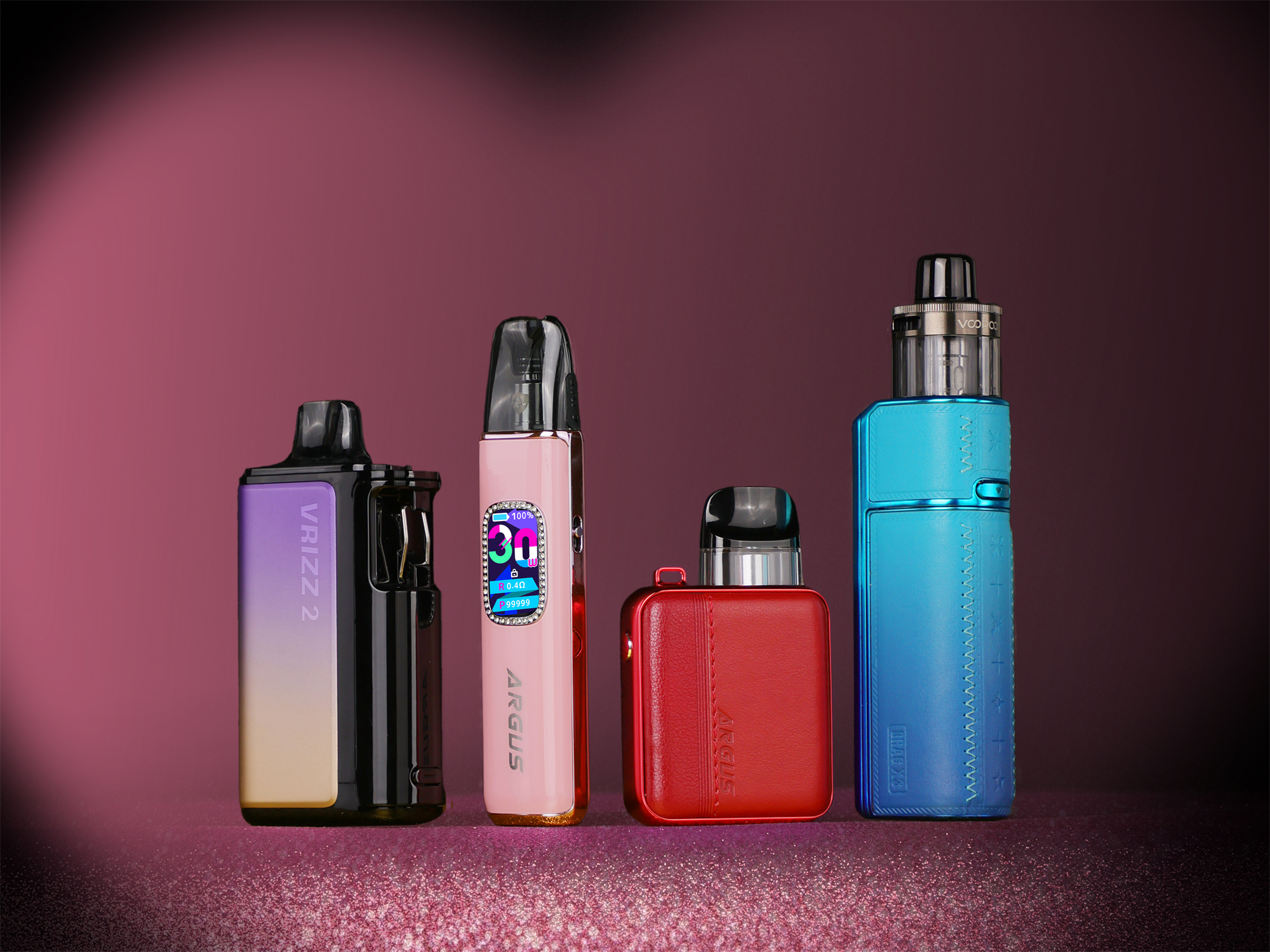
Modern pods have better airflow and batteries that actually last a full day. GrimmGreen’s April 2026 review specifically recommended the Xros 5 Pro 2 and the Oxva Xlim Pro 3 for their reliability and draw sensors.
There’s a lingering perception that pod systems are less powerful than mods, and that was true for a long time. However, modern pods are closing that gap. Devices like the VooPoo Argus P3 are capable of delivering substantial vapor production, rivaling some lower-wattage mods. They’re even incorporating more advanced coil technology, like mesh coils, to enhance flavor and vapor quality. While they might not hit the same wattage ceiling as a dedicated mod, they’re more than capable of satisfying most vapers.
Leak resistance is another major advantage of pod systems. The tight seal between the pod and the device minimizes the risk of e-liquid leakage, which can be a common problem with traditional tanks. This makes pod systems ideal for on-the-go vaping, as you don’t have to worry about messy leaks in your pocket or bag.
The move towards more powerful and customizable pods is clear. They're not just about convenience anymore; they're becoming a viable option for vapers who want a balance of simplicity and performance.
- Xros 5 Pro 2 for its flavor and versatility.
- Caliburn Classic: Still a popular choice for its simplicity and reliability.
- Oxva Xlim Pro 3: Known for its adjustable airflow and leak resistance.
- VooPoo Vinci S: Offers a good balance of power and portability.
- VooPoo Argus P3: Capable of delivering substantial vapor production.
Featured Products
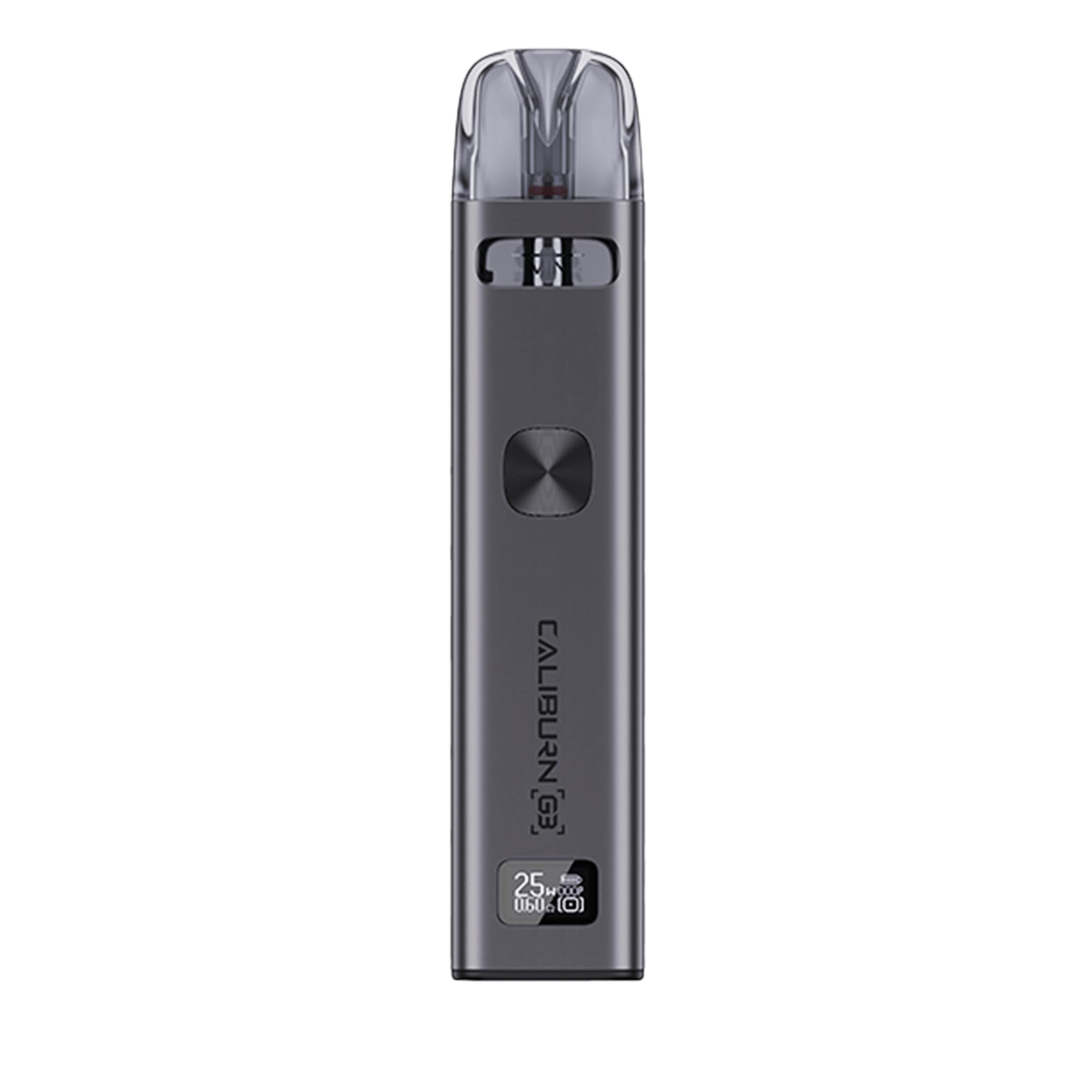
Pro-FOCS Flavor Technology · Dual Pod Options (0.6ohm RDL, 1.2ohm MTL) · 900mAh Battery Capacity
The Caliburn G3 is recommended for its excellent flavor, dual pod versatility, and long-lasting battery, making it a top choice for pod system enthusiasts.

Securely holds vape mods · Adjustable base for a snug fit · Designed for standard car cup holders
This accessory offers a practical solution for safely storing your larger mods like the Aegis Legend 200W TC while driving, enhancing convenience and safety.

Non-electronic nicotine-free aid · Includes 12 flavour cores · Bonus 3-pack of assorted flavours (9 cores)
This bundle is recommended as a nicotine-free, flavor-focused alternative for those looking to quit smoking or vaping, offering a variety of sensory experiences.
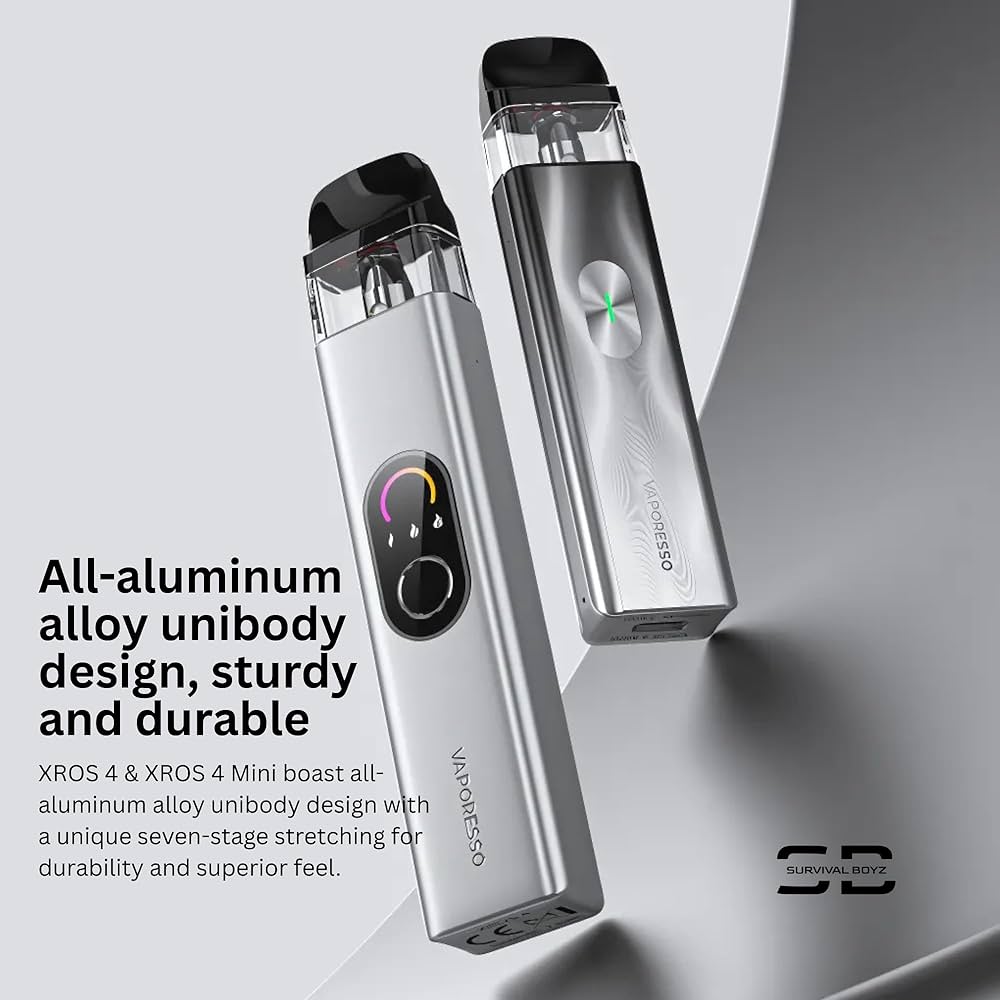
COREX Heating Technology · Dual Pod Options (0.4ohm Mesh, 1.2ohm) · 1000mAh Battery Capacity
The XROS 4 is recommended for its robust battery life, advanced heating technology for superior flavor, and dual pod compatibility, providing a premium pod vaping experience.
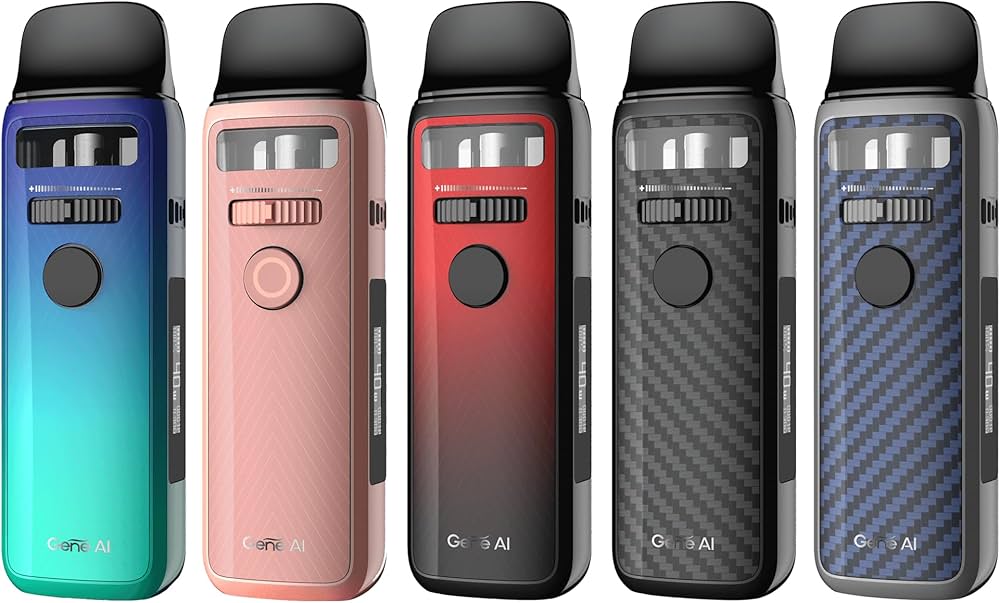
1800mAh Battery Capacity · Up to 50W Output · Adjustable Airflow
The Vinci 3 is recommended for its substantial battery, high wattage output, and extensive coil compatibility, offering a flexible and powerful option within the pod system category.
As an Amazon Associate I earn from qualifying purchases. Prices may vary.
Why some still prefer traditional mods
Traditional mods, also known as box mods, are the powerhouses of the vaping world. They offer a level of customization and control that pod systems simply can't match. A mod typically consists of a battery carrier (the 'box’ itself), a tank or RDA/RTA, and a chipset. The chipset regulates the power output and provides various safety features.
The benefits of mods are numerous. Higher wattage allows for larger vapor clouds and more intense flavor. Customizable settings let you fine-tune the vaping experience to your exact preferences. Rebuildable options, like RDAs and RTAs, allow you to create your own custom coils, giving you complete control over the vapor production and flavor profile. This is where the “chasing clouds” aspect of vaping really comes into play.
However, mods aren’t for everyone. There’s a definite learning curve involved. You need to understand Ohm’s Law, battery safety, and the intricacies of coil building. Battery safety is paramount; using the wrong batteries or mishandling them can be dangerous. It’s essential to use high-quality batteries from reputable brands and to follow proper charging and handling procedures.
Mods are best suited for experienced vapers who enjoy tinkering and experimenting. If you’re a flavor chaser who wants to dial in the perfect vape, or a cloud enthusiast who wants to create massive vapor clouds, a mod is the way to go. They're also a good choice for vapers who want a long-lasting device that can be customized to their specific needs.
The core components are important to understand. The battery is the power source; you can use anywhere from single to multiple batteries depending on the mod. The tank or RDA/RTA holds the e-liquid and houses the coil. The chipset controls the power output and provides safety features like over-discharge protection and short-circuit protection.
Coil Technology: The Heart of the Matter
Coil technology is a critical factor in both pod systems and mods, impacting flavor, vapor production, and coil life. Different coil materials offer different characteristics. Kanthal is a common material known for its affordability and ease of use. Stainless steel offers a clean flavor and is compatible with temperature control vaping. Nickel and titanium are also used for temperature control, providing more precise temperature regulation.
Resistance levels play a significant role. Lower resistance coils (sub-ohm coils) produce more vapor and flavor, but they also drain the battery faster. Higher resistance coils (mouth-to-lung coils) are more efficient and provide a more subtle vaping experience. Ceramic coils are gaining popularity for their clean flavor and long lifespan.
Coil life varies considerably between pod systems and mods. Pod system coils generally have a shorter lifespan, typically lasting from a few days to a couple of weeks, depending on usage. Mod coils, especially rebuildable coils, can last much longer, often several weeks or even months. However, rebuildable coils require more maintenance and skill to build and maintain.
The cost implications are also important. Pod system coils are relatively inexpensive, but the ongoing cost can add up over time. Mod coils are generally more expensive upfront, but they last longer, potentially saving you money in the long run. Mesh coils have become increasingly prevalent in both pod systems and mods, offering improved flavor and vapor production due to their larger surface area.
Coil Options Comparison: Pod Systems vs. Traditional Mods (2026)
| Coil Material | Resistance Range | Flavor Profile | Vapor Production | Coil Life | Difficulty (Rebuildable) |
|---|---|---|---|---|---|
| Kanthal | Medium to High | Good | Medium | Medium | Easy |
| Stainless Steel | Medium to High | Good | Medium | Good | Easy |
| Nickel | Low to Medium | Excellent | Medium | Medium | Medium |
| Ceramic | Medium to High | Clean, Mild | Low | Good | N/A (Typically Pre-Built) |
| Mesh | Low to Medium | Excellent | High | Medium | Medium to Difficult |
Illustrative comparison based on the article research brief. Verify current pricing, limits, and product details in the official docs before relying on it.
E-Liquid Compatibility: What Can You Vape?
E-liquid compatibility is another important consideration. VG/PG ratios affect performance. VG (vegetable glycerin) is responsible for vapor production, while PG (propylene glycol) carries the flavor and provides a throat hit. Higher VG ratios are ideal for cloud chasing, while higher PG ratios are better for flavor and mouth-to-lung vaping. Most pod systems perform best with e-liquids that have a balanced VG/PG ratio, typically 50/50 or 60/40.
Nicotine strengths vary widely, from 0mg to 50mg or higher. It’s important to choose a nicotine strength that suits your preferences and vaping habits. Nicotine salts have become increasingly popular, especially for pod systems. Nicotine salts are a chemically modified form of nicotine that provides a smoother, more satisfying hit at higher concentrations.
Pod systems generally work best with nicotine salt e-liquids, as they can handle the higher nicotine concentrations without being harsh. Mods can handle a wider range of e-liquids, including freebase nicotine, nicotine salts, and even CBD e-liquids. There aren’t many restrictions on what you can vape with a mod, as long as you choose the right coil and settings.
Emerging e-liquid technologies include synthetic nicotine and novel flavorings. Synthetic nicotine is a nicotine alternative that is not derived from tobacco, which may be appealing to some vapers. Novel flavorings are constantly being developed, offering a wider range of taste experiences.
Cost Breakdown: Long-Term Expenses
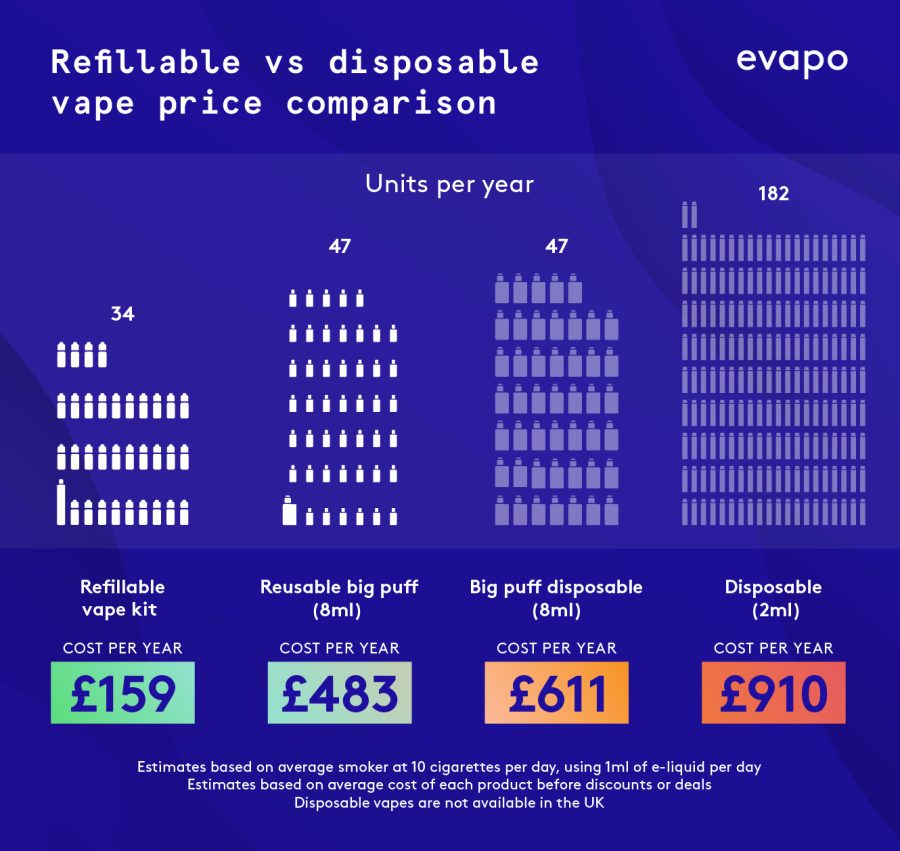
Let’s get down to the numbers. The initial cost of a pod system typically ranges from $30 to $80, while a traditional mod can cost anywhere from $80 to $200 or more. Replacement pods for pod systems usually cost around $10-$20 for a pack of three, while prebuilt coils for mods cost around $5-$15 each. E-liquid costs vary depending on the brand and size, but a 30ml bottle typically costs around $10-$20.
Over time, the costs can add up. Pod system users will need to regularly purchase replacement pods, while mod users will need to replace coils and potentially batteries. Rebuildable atomizers require initial investment in wire, wicking material, and tools, but can be more cost-effective in the long run. Don’t forget to factor in potential maintenance costs, such as replacing batteries or repairing damaged devices.
Ultimately, the long-term cost will depend on your vaping habits and preferences. If you vape frequently and use a lot of e-liquid, you’ll spend more money on both pods/coils and e-liquid. If you’re a more casual vaper, you’ll spend less.
Who Wins in 2026? User Profiles
Instead of declaring a winner, let's match the device to the user. Consider these profiles:
The Beginner: New to vaping? A pod system is the clear choice. Its simplicity and ease of use make it the perfect starting point. Look for a pod system with auto-draw activation and adjustable airflow.
The Flavor Chaser: You prioritize flavor above all else? A mod with a high-quality RDA or RTA is the way to go. You’ll have the freedom to experiment with different coils and e-liquids to find your perfect flavor profile.
The Cloud Enthusiast: You want to create massive vapor clouds? A mod with a sub-ohm tank is essential. Look for a tank with large airflow and a high wattage capability.
The Minimalist: You want something small, discreet, and easy to carry? A pod system is the perfect choice. It’s convenient, portable, and requires minimal maintenance.
The Budget-Conscious: A pod system can be more affordable in the short term, but consider the ongoing cost of pods. A mod with rebuildable coils can be more cost-effective in the long run, but requires more initial investment and skill.
No comments yet. Be the first to share your thoughts!