
A first look at the 2026 vaporizer rules
Cannabis vaporizer rules are changing. By 2026, new standards will hit manufacturers and local shops. The Ohio Department of Commerce recently released its Vaporizing Device Submission Guidance, which gives us a look at the new requirements. These rules cover almost all vaporizing hardware, not just cannabis-specific tech.
These changes aren’t merely administrative tweaks. They represent a growing concern over product safety, consumer protection, and the desire to standardize a rapidly evolving market. Shops need to start preparing now – reviewing current inventory, assessing supplier relationships, and understanding the potential costs of compliance. Ignoring these changes could lead to fines, product seizures, or even the loss of a license to operate.
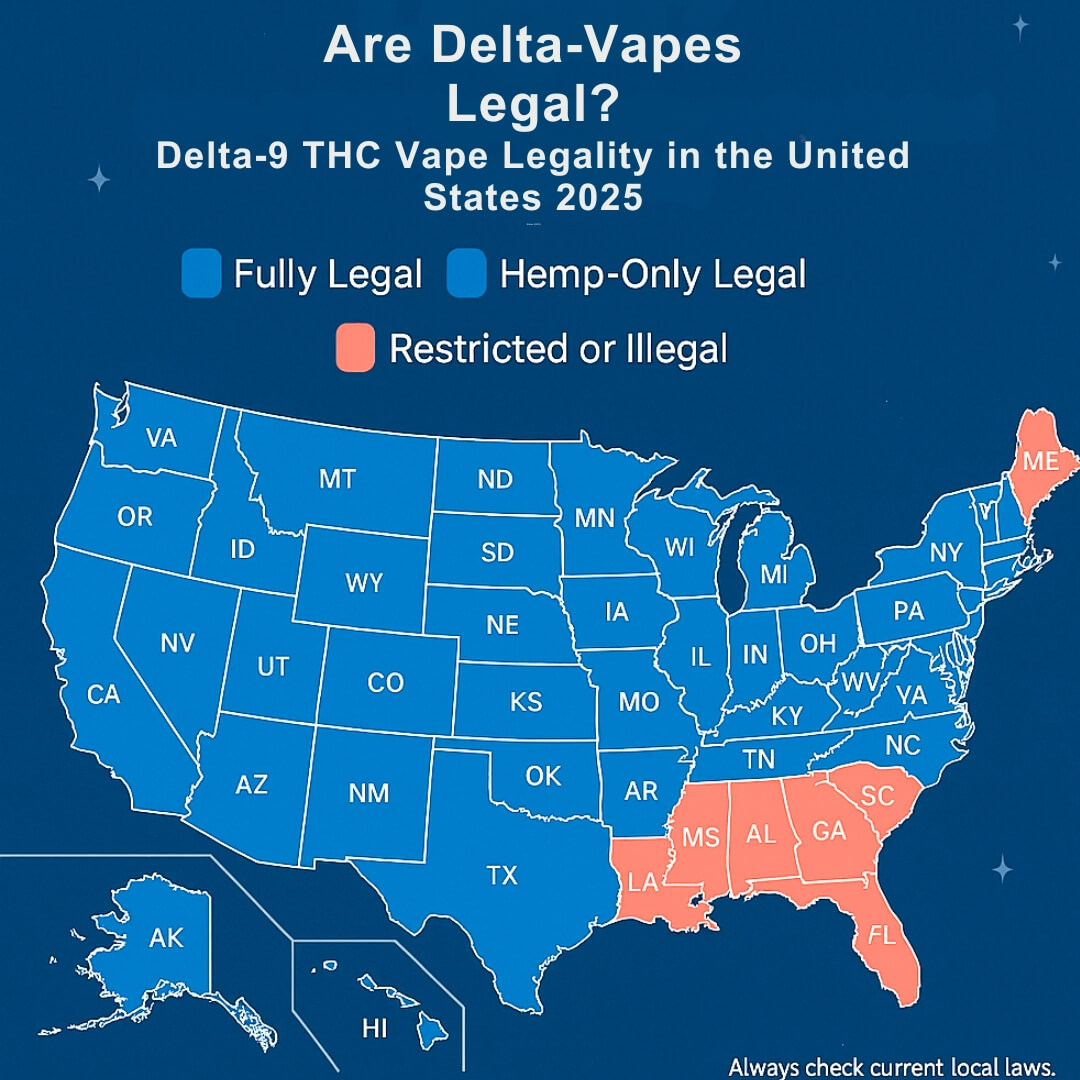
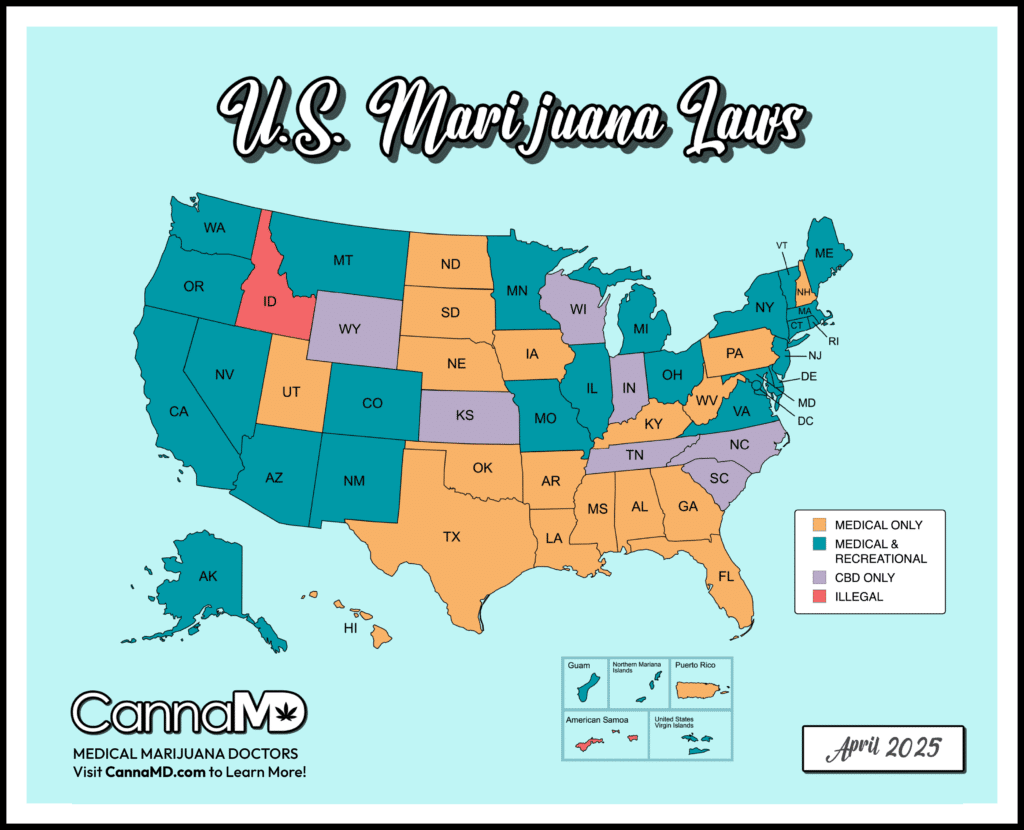
One of the biggest challenges will be navigating a patchwork of state laws. Even in states where cannabis is legal, regulations vary wildly. What’s permissible in California may be prohibited in Colorado, and Michigan will likely have its own unique requirements. This means that multi-state operators will face a particularly complex compliance landscape. The Ohio guidance is a starting point, but it won’t be the final word for everyone.
The core of the upcoming regulations seems to revolve around increased scrutiny of device components, manufacturing processes, and product labeling. Expect more detailed testing requirements and a greater emphasis on preventing access to underage consumers. This is a response to past concerns surrounding unregulated products and the health risks they can pose. It’s a proactive attempt to build consumer trust and ensure a sustainable market.
Ohio device submission guidance
The Ohio Department of Commerce’s guidance, released in early 2024, outlines a comprehensive submission process for vaporizing devices. It's important to remember this is a guidance document, meaning it’s subject to change, but it offers the most detailed look we have so far at the direction regulators are heading. The document is available on com.ohio.gov and should be reviewed thoroughly by any business involved in the cannabis vaporizer space.
The submission requirements are extensive. Manufacturers must provide detailed information about their devices, including schematics, materials lists, and manufacturing processes. This isn't a simple form to fill out; it’s a substantial documentation package. They’ll need to identify every component, from the battery and heating element to the cartridge material and airflow mechanism.
Testing is a major component of the submission process. Devices will need to undergo rigorous testing to ensure they meet safety standards. This includes testing for heavy metals, chemical contaminants, and electrical safety. The guidance specifies testing protocols, but the exact standards are still being finalized. This testing will be expensive, and it’s a cost that will likely be passed on to retailers and consumers.
The step-by-step process, as outlined in the guidance, involves an initial application, submission of technical documentation, laboratory testing, and a final review by the Department of Commerce. It’s a multi-stage process that could take several months to complete. Manufacturers will need to demonstrate compliance with all applicable regulations before their products can be legally sold in Ohio. Retailers should be requesting documentation from their suppliers proving this compliance.
While the guidance focuses on vaporizing devices generally, it’s reasonable to assume that cannabis vaporizers will be subject to the same level of scrutiny. The concerns around product safety and consumer protection apply equally to both nicotine and cannabis products. However, we’ll need to wait for further clarification from the Department of Commerce to confirm the specific requirements for cannabis vaporizers.
How regulations vary by state
The regulatory environment for cannabis vaporizers is far from uniform across states. Colorado, one of the earliest adopters of cannabis legalization, has relatively lenient regulations regarding cartridge size and flavor options. California, on the other hand, has implemented stricter rules, including restrictions on certain additives and a focus on child-resistant packaging.
Michigan has taken a different approach, focusing heavily on testing and labeling requirements. They require detailed potency labeling and have implemented strict rules around the use of certain ingredients. These differences create a significant challenge for vape shops operating in multiple states. A one-size-fits-all approach to compliance is simply not possible.
Key areas of divergence include cartridge size limits (some states restrict cartridge capacity), flavor restrictions (some states ban flavored products, while others allow them), packaging requirements (child-resistant packaging is becoming standard, but the specifics vary), and potency labeling (the level of detail required on labels differs significantly). These differences aren’t arbitrary; they reflect varying political priorities and public health concerns.
For shops with locations in multiple states, staying on top of these regulations is paramount. A robust compliance system is essential, including regular monitoring of legislative updates, ongoing training for staff, and a clear understanding of the specific requirements in each state. Failing to comply with even one state’s regulations could result in significant penalties. It's about more than just avoiding fines; it's about protecting your business and your customers.
Cannabis Vaporizer Regulations: A State-by-State Comparison (Projected to 2026)
| State | Cartridge Size Limits | Flavor Restrictions | Packaging Requirements | Testing Standards | Retailer Licensing |
|---|---|---|---|---|---|
| California | Moderate - Limits on total volume per purchase are frequently debated and adjusted. | Strict - Broad ban on flavors appealing to minors, with ongoing legal challenges. | Strict - Child-resistant packaging, prominent health warnings, and track-and-trace requirements are standard. | Strict - Comprehensive testing for potency, pesticides, heavy metals, and residual solvents is mandated. | Strict - Highly regulated licensing process with background checks and security protocols. |
| Colorado | Moderate - Limits exist, but generally allow for a wider range of sizes than some other states. | Moderate - Restrictions on marketing to youth, but a wider variety of flavors are generally permitted compared to California. | Moderate - Standard child-resistant packaging and labeling requirements are in place. | Strict - Robust testing regime covering potency, contaminants, and solvent residues. | Strict - Licensing includes seed-to-sale tracking and regular inspections. |
| Michigan | Lenient - Fewer restrictions on cartridge size compared to CA or CO. | Moderate - Restrictions focus on packaging and marketing, limiting appeal to children. | Moderate - Child-resistant packaging and clear labeling are required, but less emphasis on specific branding restrictions. | Strict - Testing for contaminants and potency is required, aligning with industry best practices. | Moderate - Licensing process is detailed but generally considered less burdensome than California’s. |
| Oregon | Moderate - Regulations allow for a reasonable range of cartridge sizes. | Moderate - Restrictions on flavors are evolving, with a focus on preventing youth access. | Moderate - Packaging must be child-resistant and include specific warning labels. | Strict - Comprehensive testing for cannabinoids, terpenes, pesticides, and heavy metals is required. | Moderate - Licensing requires adherence to state and local regulations, with a focus on security and compliance. |
| Washington | Strict - Limits on cartridge size and total THC content per package are enforced. | Strict - Significant restrictions on flavors, with a focus on eliminating those appealing to youth. | Strict - Packaging must be opaque, child-resistant, and include prominent health warnings. | Strict - Rigorous testing for potency, contaminants, and residual solvents is mandated. | Strict - Highly regulated licensing process with ongoing compliance monitoring. |
Qualitative comparison based on the article research brief. Confirm current product details in the official docs before making implementation choices.
Hardware and safety standards
The 2026 regulations will almost certainly emphasize hardware standards to address growing safety concerns. Battery safety is a major priority, given the potential for overheating and explosions. Expect stricter requirements for battery certification and testing. Manufacturers will need to demonstrate that their batteries meet specific safety standards.
Cartridge materials are another area of focus. The EVALI crisis of 2019 highlighted the dangers of Vitamin E acetate, a thickening agent found in some illicit cannabis vape cartridges. Regulations will likely prohibit the use of Vitamin E acetate and other harmful additives. There will also be increased scrutiny of the materials used in the cartridge itself, ensuring they are non-toxic and don’t leach harmful chemicals into the vapor.
The composition of the heating element is also a concern. Some heating elements contain materials that can release harmful fumes when heated. Regulations may specify allowable materials and temperature limits. This will likely impact the design of vaporizer devices and require manufacturers to invest in safer heating technologies.
Buy from manufacturers who share their safety data. Ask for the lab results and certification papers before signing a purchase order. Checking these documents now prevents inventory seizures later.
New packaging and label rules
Expect significant tightening of packaging and labeling regulations. Child-resistant packaging will be a non-negotiable requirement in most states. This means packaging must be designed to prevent accidental access by children, such as using tamper-evident seals or complex opening mechanisms.
Health warnings will become more prominent and detailed. Regulations will likely require specific warnings about the potential health risks of vaping, including the risks of nicotine addiction (even for cannabis products containing minimal nicotine) and the potential for lung injury. These warnings will need to be clearly visible on the packaging.
Potency labeling will also be subject to stricter rules. Regulations may require detailed information about the THC and CBD content of the product, as well as the specific cannabinoid profile. This will help consumers make informed purchasing decisions.
A key focus will be on preventing accidental ingestion, especially by children. Packaging will need to be opaque and clearly labeled to distinguish cannabis products from other consumer goods. These requirements will undoubtedly impact shelf space and marketing materials, requiring shops to rethink their displays and promotional strategies.
How to stay compliant
Proactive compliance is the key to navigating the 2026 regulations. Don’t wait until the last minute to prepare. Start by staying informed about legislative updates in your state. Subscribe to newsletters from state commerce departments and industry associations. Attend industry conferences and webinars to learn about the latest developments.
Building strong relationships with compliant suppliers is also crucial. Work with manufacturers who are actively engaged in the regulatory process and can provide documentation proving that their products meet all applicable standards. Don’t be afraid to ask tough questions and demand transparency.
Implement a robust inventory tracking system. This will allow you to quickly identify and remove any non-compliant products from your shelves. Keep detailed records of all purchases and sales, including documentation from your suppliers.
Consider joining an industry association. These organizations often provide valuable resources and advocacy support. They can also help you stay informed about regulatory changes and best practices. Resources like the state commerce departments and industry associations are vital for staying ahead of the curve.
Finally, train your staff on the new regulations. Ensure they understand the requirements and can answer customer questions accurately. A well-informed staff is your first line of defense against non-compliance. Remember, compliance isn’t just a legal obligation; it’s a matter of protecting your business and your customers.
Future-Proof Vaporizers
- Pulsar APX v3 - Known for its robust build quality and focus on safety features like a pass-through charging and short-circuit protection, the APX v3 is likely to remain compliant. Pulsar Products has a history of adhering to evolving safety standards.
- DaVinci IQ2 - The IQ2’s adjustable airflow and precise temperature control demonstrate a commitment to user customization *without* relying on potentially restricted cartridge formats. DaVinci’s focus on material quality and detailed user manuals also supports future compliance.
- Arizer Air MAX - Arizer’s reputation for durable, medically-focused vaporizers positions the Air MAX well. Its use of borosilicate glass pathways and a focus on pure vapor delivery align with anticipated regulations regarding material safety and vapor quality.
- XMAX V3 Pro - This device’s on-device controls and relatively simple design, coupled with a focus on conduction heating, suggest it will be easier to demonstrate compliance with potential restrictions on complex electronic components or proprietary cartridges. XMAX’s affordability also makes it accessible for ongoing testing and adaptation.
- Healthy Rips Rogue - The Rogue’s straightforward design and focus on convection heating, which minimizes direct contact between the heating element and concentrate, may prove advantageous. Healthy Rips' transparency regarding materials used in construction is also a positive indicator.
- Boundless CFC 2.0 - The CFC 2.0’s use of ceramic heating and a relatively simple, durable construction could help it navigate future regulations. Boundless’ consistent updates and responsiveness to user feedback demonstrate a willingness to adapt to changing standards.
- Firewood 9 - The Firewood 9’s wooden exterior and focus on a more analog vaping experience differentiate it from devices reliant on complex electronics. This design choice, combined with its use of standard 510 connections, positions it well for long-term compliance.
What is your biggest concern regarding the 2026 cannabis vaporizer regulations?
As new cannabis vaporizer regulations take shape for 2026, local vape shops across the country are preparing for significant changes. We want to hear from you -- whether you are a shop owner, budtender, or informed consumer, your perspective matters. Vote below and let the AskVape community know which aspect of the upcoming regulations concerns you the most.
No comments yet. Be the first to share your thoughts!