
Vaping Cannabis in 2026: A Shifting Legal Map
The legal status of cannabis and cannabis vaporizers changes constantly. Federal prohibition remains, but states are increasingly legalizing or decriminalizing it. By 2026, this patchwork of laws creates a complex situation for consumers and businesses. It's not simply legal or illegal; it varies significantly from state to state.
The DEA still classifies cannabis as a Schedule I substance, meaning it has a high potential for abuse and no accepted medical use. This federal stance complicates matters. Even where cannabis vaping is legal, businesses face uncertainty and potential federal intervention, creating challenges for banking, taxation, and commerce.
Legalization, decriminalization, and medical cannabis programs differ. Legalization removes penalties for possession and sale, allowing regulated markets. Decriminalization reduces penalties, often to a fine, but doesn't create a legal market. Medical programs require a doctor’s recommendation for specific health conditions. Understanding a state's category is the first step to understanding its vaping laws.
By 2026, legal cannabis markets will likely continue expanding, especially in states with ballot initiatives. The federal government’s position remains the biggest unknown. Any federal change – rescheduling or legalization – would dramatically alter the market for cannabis vaporizers.
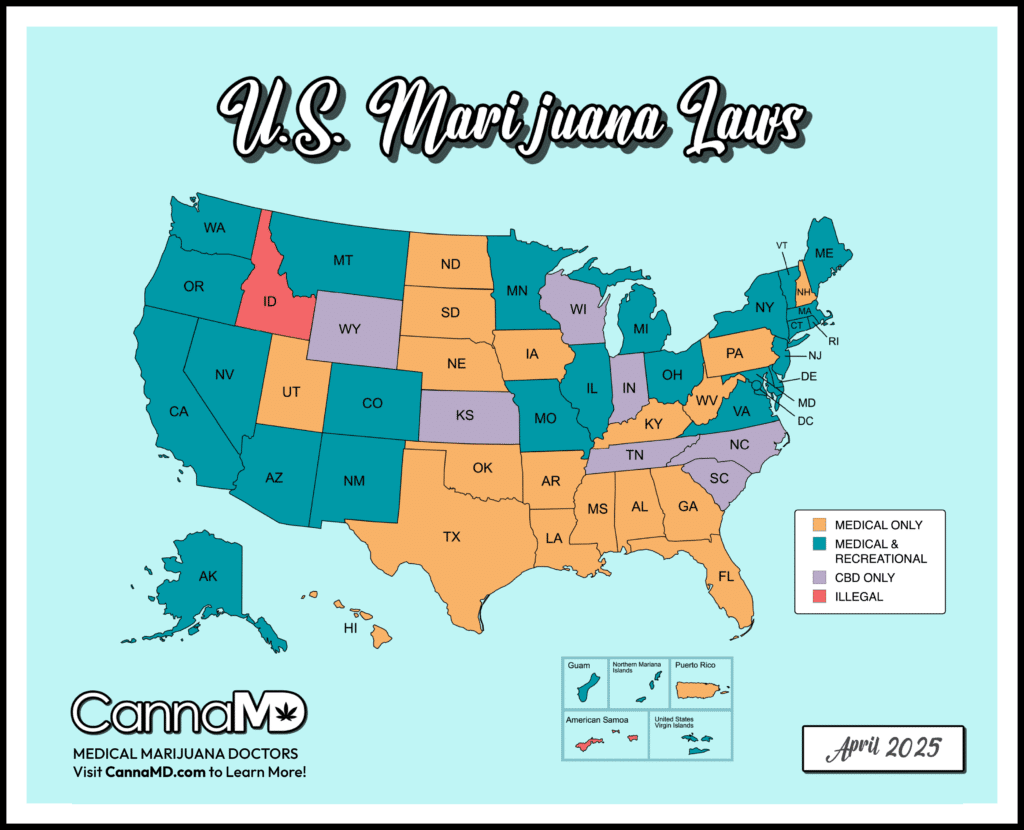
State-by-State Vaporizer Law Rundown
Breaking down laws across all 50 states is a large task, but we can categorize them. This information is current as of early 2026; laws change frequently. Always verify local regulations before purchasing or using cannabis vaporizers.
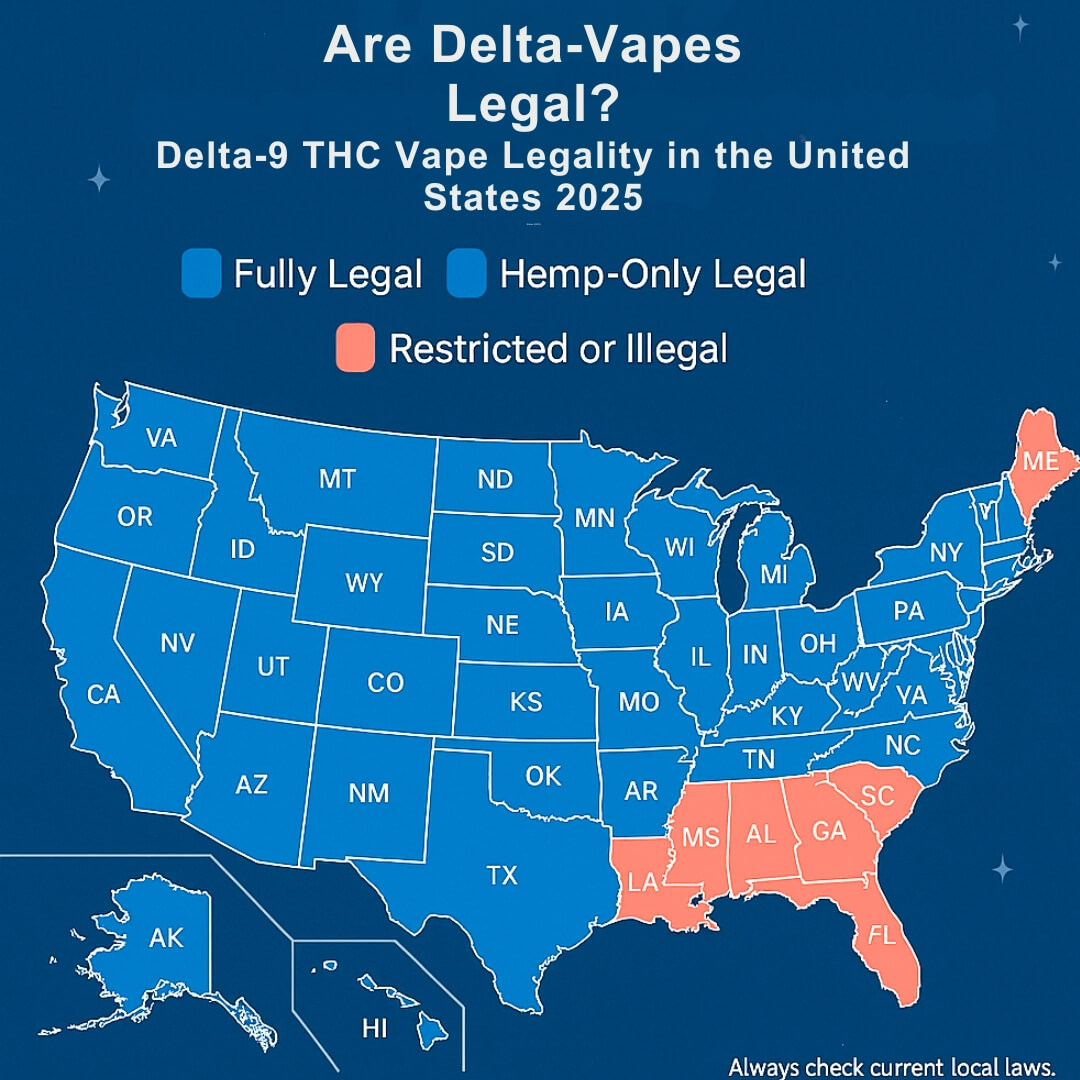
Fully Legal States: States like California, Colorado, Illinois, Massachusetts, Michigan, New Jersey, New York, Oregon, Vermont, and Washington have fully legal recreational cannabis markets. Adults 21 and over can generally buy and use cannabis vaporizers from licensed dispensaries. Restrictions often apply to THC content (typically capped around 90%), packaging, and advertising. New York, for example, has strict labeling laws with detailed cannabinoid information.
Medical Cannabis States: Many states have medical cannabis programs, including Arkansas, Connecticut, Florida, Maryland, Minnesota, Missouri, New Mexico, Ohio, Pennsylvania, and Rhode Island. Patients with qualifying conditions can buy cannabis vaporizers with a doctor’s recommendation. Regulations vary; some states allow more products and higher THC limits. Florida, for instance, has ongoing legal battles about its medical program's scope.
Decriminalized States: States like Delaware, Kentucky, Mississippi, and North Carolina have decriminalized cannabis possession, reducing penalties to a fine or citation. However, vaping cannabis in public may still be illegal. These states typically lack legal cannabis markets, making legal acquisition of vaporizers challenging. A gray market often operates, carrying significant risks.
Illegal States: States like Idaho, Kansas, Nebraska, South Carolina, Tennessee, and Wyoming maintain strict prohibitions on all cannabis forms, including vaping. Penalties for possession can be severe, including jail time and fines. Legal risks are substantial.
States with Complicated Laws: Texas has a limited medical program for low-THC cannabis oil for specific conditions. Cannabis vaping is largely illegal, but laws are shifting. Virginia has decriminalized possession but is still developing its retail market, creating legal ambiguity. Maine allows home cultivation but has specific regulations for selling cannabis vaporizers.
THC Content Limits: Many states limit THC content in vape cartridges to reduce overconsumption and adverse effects. Common limits are 60% to 90% THC, but some states have lower caps. Always check the product label and local regulations.
Licensing Requirements: States with legal cannabis markets require retailers to get licenses to sell cannabis vaporizers. Licenses involve background checks, security protocols, and compliance with state regulations. Buying from unlicensed sources is illegal and carries health risks.
Age Restrictions: All states with legal or medical cannabis programs have age restrictions, usually 21 and over. Proof of age is required to buy cannabis vaporizers; selling to minors is a serious crime.
Public Consumption: Even where cannabis vaping is legal, public consumption is often prohibited. Restrictions may apply to parks, public transportation, and other public spaces. Be aware of local regulations about where you can legally vape.
- California: Fully legal, THC content limits apply.
- Colorado: Fully legal, strict packaging requirements.
- Florida: Medical cannabis only, ongoing legal challenges.
- Texas: Limited medical cannabis, largely illegal vaping.
- Idaho: Illegal, severe penalties for possession.
2026 Cannabis Vaporizer Laws: State-by-State Guide
| State Name | Legal Status | THC Limit in Vape Cartridges | Licensing Required for Retailers | Age Restriction | Notes |
|---|---|---|---|---|---|
| California | Legal Rec/Med | Generally, up to 1000mg THC per cartridge, but regulations can vary by locality. | Yes | 21+ | Strict packaging and labeling requirements are in place. Regulations regarding additives are evolving. |
| Colorado | Legal Rec/Med | Up to 500mg THC per cartridge is common, but subject to change with updated regulations. | Yes | 21+ | Testing for pesticides, heavy metals, and residual solvents is mandatory for vape products. |
| Florida | Legal Med Only | THC limits vary based on product type and physician recommendation. | Yes | 18+ | Patients must have a medical marijuana card issued by the state. |
| Illinois | Legal Rec/Med | Up to 500mg THC per cartridge. Specific limits may be adjusted. | Yes | 21+ | Regulations address flavor restrictions and require specific warning labels on packaging. |
| New York | Legal Rec/Med | Up to 1000mg THC per cartridge, with ongoing review of regulations. | Yes | 21+ | Regulations focus on preventing youth access and ensuring product safety. |
| Oregon | Legal Rec/Med | Limits are generally up to 1000mg THC per cartridge, but local jurisdictions may impose stricter limits. | Yes | 21+ | Oregon has a robust testing program for cannabis vape products. |
| Texas | Decriminalized | Low THC Delta-8 and Delta-9 products are in a gray area, with legal interpretations evolving. | Limited | 21+ | Regulations are still developing and subject to change. Enforcement varies. |
| Arizona | Legal Rec/Med | Up to 900mg THC per cartridge is typical, but regulations are subject to change. | Yes | 21+ | Regulations include requirements for child-resistant packaging and laboratory testing. |
Illustrative comparison based on the article research brief. Verify current pricing, limits, and product details in the official docs before relying on it.
Dispensary Vapes: What's Available?
Licensed dispensaries offer many cannabis vaporizers for different preferences and needs. The options can seem overwhelming, but understanding the basic types can help you decide.
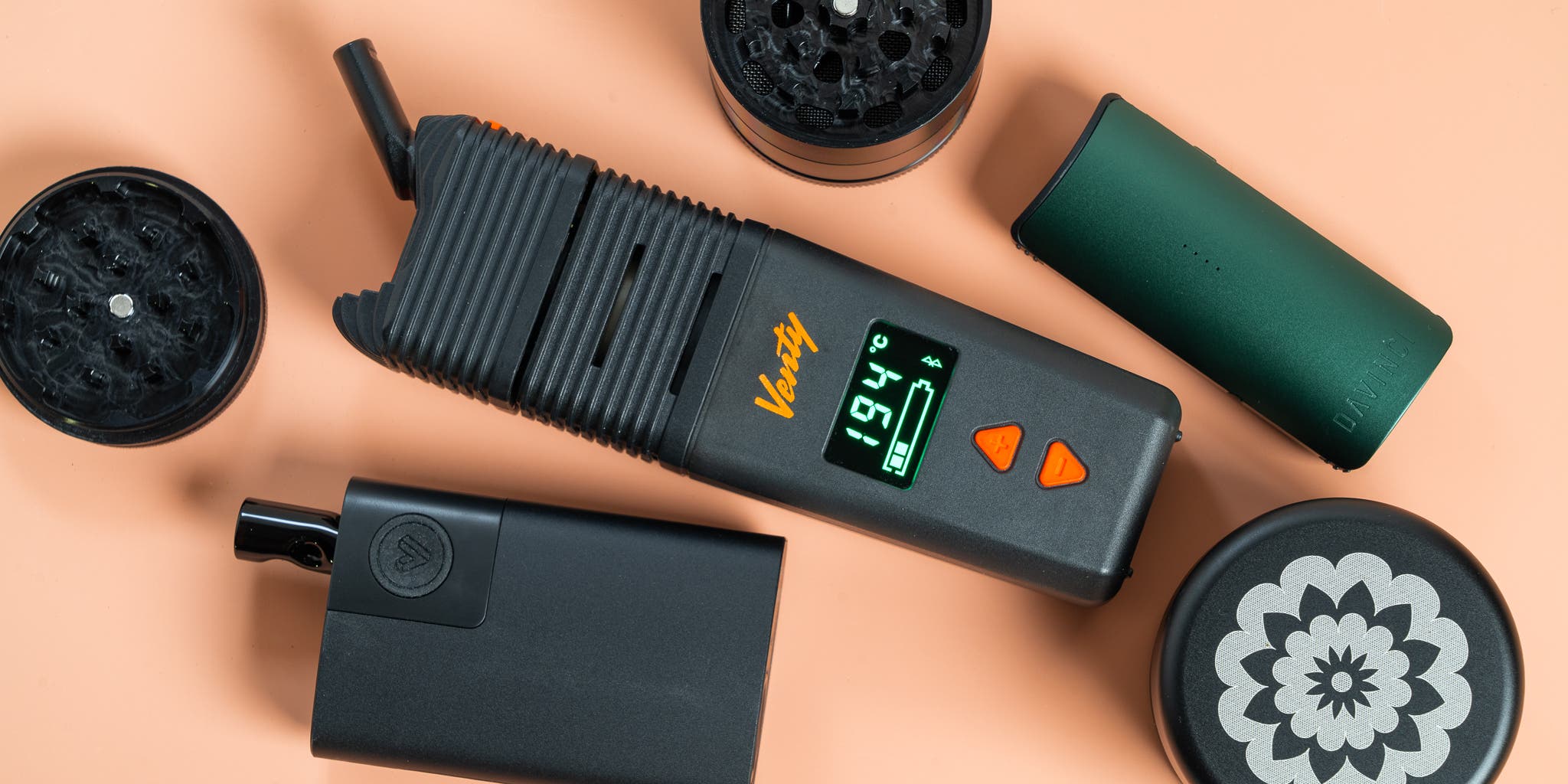
Pod Systems: These devices use pre-filled or refillable cartridges (pods) with cannabis oil. They are user-friendly and discreet, popular with beginners. Brands like Pax and Storz & Bickel offer pod-based vaporizers. The Storz & Bickel Mighty+ is a high-quality option.
Disposable Vapes: Disposable vapes are single-use, pre-filled devices. They are convenient and require no maintenance, but aren't environmentally friendly. They're often the least expensive upfront, but the cost adds up.
Dry Herb Vaporizers: These devices heat dry cannabis flower without combustion, providing a cleaner, more flavorful experience. They require regular cleaning and maintenance, but many users prefer the control and customization. The Arizer Solo 2 is a portable dry herb vaporizer.
Concentrate Pens: These devices vaporize cannabis concentrates, like wax, shatter, and oil. They produce potent vapor and require some experience. The Yocan Evolve Plus is a popular choice for concentrate vaping.
Importance of Licensed Sources: Unregulated products may contain harmful contaminants like heavy metals and pesticides. Counterfeit products are also a concern, as they may not contain the advertised cannabinoid content.
- Pod Systems (Pax, Storz & Bickel)
- Disposable Vapes
- Dry Herb Vaporizers (Arizer Solo 2)
- Concentrate Pens (Yocan Evolve Plus)
Popular Vaporizer Brands
- PAX Labs - Known for its sleek, discreet designs and ease of use, PAX vaporizers (like the PAX Plus) are popular among both new and experienced users. They focus on session vaping with a strong emphasis on portability and app integration.
- Storz & Bickel - A leading brand in the industry, Storz & Bickel (makers of the Mighty+ and Crafty+) are renowned for their high-quality, German-engineered vaporizers. They are favored by users prioritizing vapor quality and precise temperature control, often considered a premium option.
- DaVinci - DaVinci (such as the IQC) focuses on flavor and customization. Their vaporizers often feature adjustable airflow and unique heating profiles, appealing to connoisseurs who want a tailored vaping experience.
- G Pen - G Pen offers a range of vaporizers, including the G Pen Dash and Nova, often at a more accessible price point. They are known for their simplicity and stylish designs, making them a good entry point for beginners.
- Pulsar Vaporizers - Pulsar provides a diverse selection of vaporizers, including options like the APX v3, catering to various budgets and preferences. They're recognized for affordability and a wide range of features, including dry herb and concentrate compatibility.
- Firewood Vaporizers - Firewood specializes in on-demand convection vaporizers, like the Firewood 9, known for their pure vapor production and efficient heating. They appeal to users who prefer quick, flavorful hits without lengthy warm-up times.
- XVAPE - XVAPE (offering devices like the Horizon) is gaining popularity for its innovative designs and focus on both portability and performance. They often incorporate features like OLED screens and adjustable temperature settings.
Navigating Retailer Licensing & Safety
Getting a license to sell cannabis vaporizers is a rigorous process to ensure public safety and compliance with state regulations. Specific requirements vary by state but involve a vetting process.
Common requirements include comprehensive background checks for owners and employees, detailed security plans to prevent theft and diversion, and adherence to strict product testing standards. States typically require retailers to test products for potency, contaminants, and other quality control measures.
Verifying a Retailer's License: Before making a purchase, always verify that a retailer is properly licensed. Most states have online databases where you can search for licensed cannabis businesses. Don’t hesitate to ask the retailer for proof of their license if you’re unsure.
Identifying Legitimate Products: Look for products with clear labeling that includes information about cannabinoid content, ingredients, and manufacturing date. Avoid products with suspicious packaging or missing information. Be wary of extremely low prices, as this could be a sign of a counterfeit product.
Risks of Unregulated Products: Unregulated vape products can pose serious health risks. They may contain harmful contaminants, such as vitamin E acetate, which has been linked to lung injuries. Counterfeit products may also contain inaccurate cannabinoid levels, leading to unexpected effects.
- Background checks for owners and employees
- Detailed security plans
- Product testing for potency and contaminants
- Clear labeling with cannabinoid content
Dry Herb vs. Concentrate Vapes: Which is Right for You?
Choosing between a dry herb vaporizer and a concentrate vape depends on your personal preferences and experience level. Both offer distinct advantages and disadvantages.
Dry Herb Vaporizers: These devices heat dry cannabis flower, providing a more natural and nuanced flavor profile. They require regular grinding and packing of flower, which some users enjoy as part of the ritual. They are generally considered more discreet than smoking, but can be less potent than concentrate vapes. The drawback is the need for consistent maintenance and cleaning.
Concentrate Vapes: These devices vaporize cannabis concentrates, such as wax, shatter, and oil, delivering a potent and flavorful experience. They are more convenient than dry herb vaporizers, as they require less maintenance. However, concentrates are typically more expensive than flower, and the high potency can be overwhelming for beginners.
Portability: Dry herb vaporizers tend to be larger and bulkier than concentrate pens, making them less portable. However, some portable dry herb vaporizers are available.
Ease of Use: Concentrate pens are generally easier to use than dry herb vaporizers, as they require less preparation. Dry herb vaporizers require grinding and packing flower, which can be time-consuming.
Cost: Dry herb vaporizers typically have a higher upfront cost than concentrate pens, but the cost of flower is generally lower than the cost of concentrates.
The Future of Cannabis Vaporizer Regulation
The regulatory landscape for cannabis vaporizers is likely to continue evolving in 2026 and beyond. Several factors could influence these changes, including federal legalization, public health concerns, and technological advancements.
Federal Legalization: If the federal government were to legalize cannabis, it would likely lead to a more uniform regulatory framework across the country. This could involve establishing national standards for product testing, labeling, and advertising. It would also resolve the current conflict between state and federal laws.
New Regulations: We might see new regulations related to flavorings, packaging, and marketing. Some states are already considering restrictions on flavored vape products, citing concerns about their appeal to youth. Packaging regulations could be tightened to prevent accidental ingestion by children.
Health Effects: Ongoing research into the health effects of vaping will likely influence future legislation. If studies reveal significant health risks, regulators may impose stricter regulations or even ban certain products. The debate surrounding the safety of vaping is far from settled.
Technological Advancements: Innovations in vaporizer technology could also shape future regulations. New devices and delivery methods may require regulators to adapt their rules to address emerging risks and benefits.
- Potential for federal legalization and uniform regulations
- Possible restrictions on flavored vape products
- Tightened packaging regulations
- Influence of ongoing research on health effects
Finding Licensed Vape Shops Near You
AskVape is your trusted resource for finding licensed cannabis vape shops in your area. Our comprehensive directory makes it easy to locate retailers that comply with state regulations.
Our directory allows you to search by state, city, and zip code. You can also filter results based on product type, such as dry herb vaporizers or concentrate pens. Each listing includes store details, address, phone number, and user reviews.
Verifying Licenses: Before visiting a shop, always verify its license status using our directory or by checking with your state's cannabis regulatory agency. This ensures that you are purchasing products from a legitimate and reputable source.
Safe Shopping: We prioritize your safety and provide resources to help you identify legitimate products and avoid fakes. Look for products with clear labeling and packaging, and be wary of extremely low prices. Remember, purchasing from unlicensed sources carries significant risks.
Commonly Asked Questions About Cannabis Vaping
Here are answers to some frequently asked questions about cannabis vaping laws, safety, and products.
Is vaping cannabis safer than smoking? Vaping is generally considered less harmful than smoking, as it doesn't involve combustion. However, vaping still carries potential health risks, and the long-term effects are not fully understood.
What is the legal age to vape cannabis? The legal age to vape cannabis is typically 21, in states where cannabis vaping is legal. However, age restrictions may vary by state.
What are the penalties for illegal vaping? Penalties for illegal vaping vary by state, ranging from fines to jail time. The severity of the penalties depends on the amount of cannabis involved and the specific laws of the state.
How can I tell if a vape product is counterfeit? Look for products with clear labeling, secure packaging, and a reputable brand name. Be wary of extremely low prices or suspicious packaging. Purchase from licensed retailers only.
No comments yet. Be the first to share your thoughts!