
The Shifting Legal Landscape of Cannabis Vaporizers in 2026
Vape shops are currently navigating a mess of state-level rules while the federal government keeps cannabis illegal. By 2026, we expect state legislatures to enforce stricter product standards to address health concerns. I've been tracking these legislative trends, and the shift toward uniform safety testing is clear.
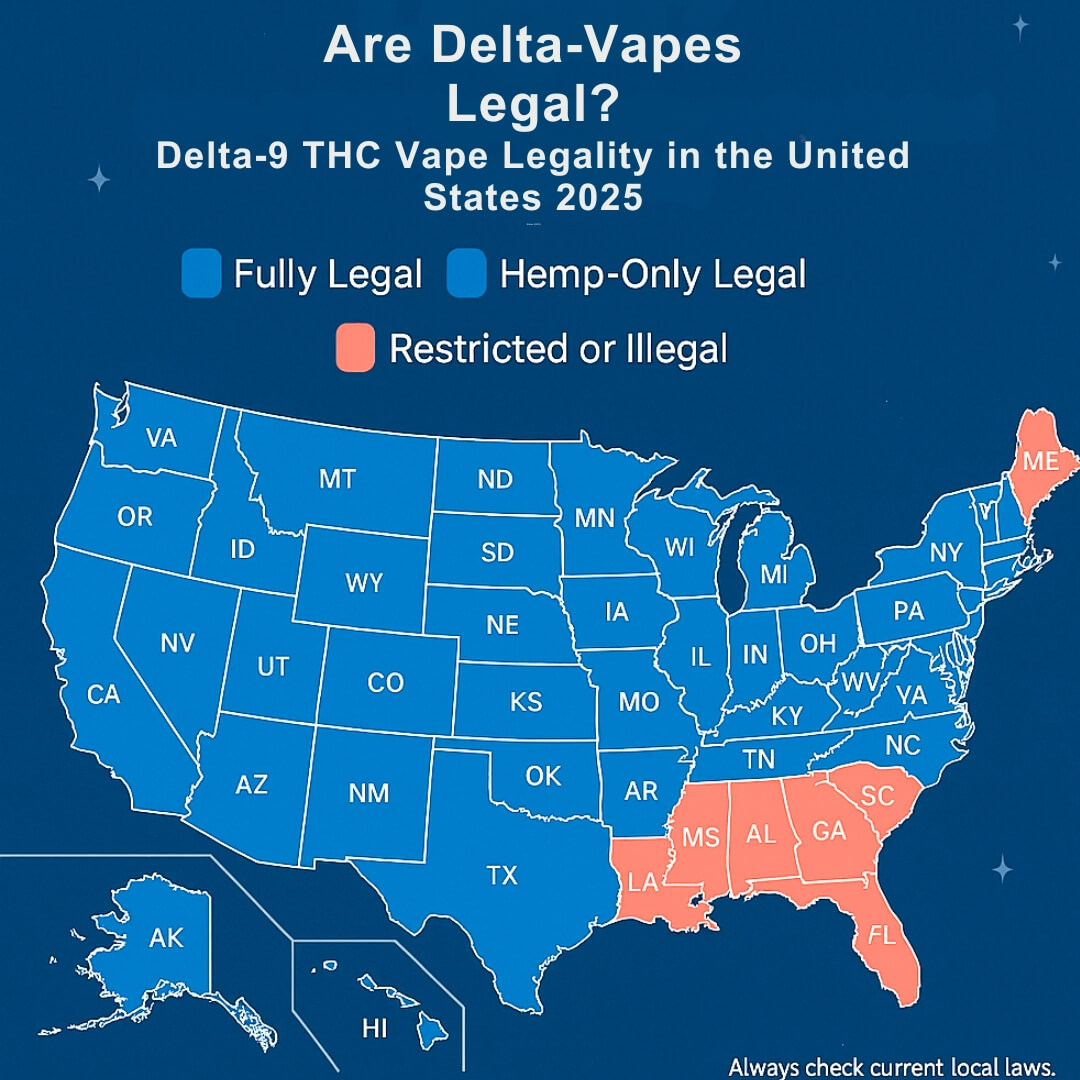
Currently, the legal status of cannabis vaporizers varies widely from state to state. Some states have fully legalized recreational and medical cannabis, while others maintain strict prohibitions. This creates a fragmented market where regulations regarding THC content, product testing, and packaging differ significantly. The Drug Enforcement Administration (DEA) plays a role primarily through classifying marijuana concentrates, as outlined in their Drug Fact Sheet on Vaping and Marijuana Concentrates. This classification impacts how vaporizers utilizing these concentrates are viewed and potentially regulated.
The DEA defines marijuana concentrates as highly potent forms of THC, often resembling honey or butter and commonly known as “honey oil” or “budder.” This definition is important because it influences how these products – and the vaporizers designed to use them – are treated under federal law. Even in states with legal cannabis, federal regulations can still impact interstate commerce and banking access for businesses involved in the industry. The anticipated changes in 2026 are largely a response to these inconsistencies and a desire for greater federal oversight.
Several states are actively considering legislation to tighten regulations on cannabis vaporizers, focusing on areas like THC limits, product labeling, and testing requirements. These efforts are often spurred by public health concerns related to vaping-associated lung injuries (EVALI) and the potential for accidental exposure to children. We're seeing a trend toward more comprehensive regulations that address the entire supply chain, from manufacturing to retail sale. This will almost certainly require local vape shops to adapt their practices.
The momentum behind these changes feels significant. A growing number of states are adopting similar regulatory frameworks, suggesting a move toward greater national standardization. While full federal legalization remains uncertain, the 2026 regulations are likely to represent a substantial step toward increased oversight of the cannabis vaporizer market, and local vape shops need to be prepared.
What’s Changing? A Deep Dive into the Proposed Regulations
The proposed regulations for 2026 are multifaceted and will impact nearly every aspect of the cannabis vaporizer industry. One key area of focus is THC content limits. Several states are considering capping the allowable THC concentration in vaporizer cartridges and concentrates, aiming to reduce the risk of overconsumption and adverse health effects. This could mean a shift away from the ultra-potent products currently available and a greater emphasis on lower-dose options.
Packaging and labeling requirements are also expected to become much stricter. Child-resistant packaging will be paramount, with regulations likely specifying the types of materials and closures required to prevent accidental ingestion. Labels will need to include detailed information about THC and CBD content, potential allergens, and health warnings. We’ll likely see a move toward standardized labeling formats to improve consumer understanding and transparency. It’s a bit of a headache for shops, but ultimately good for the consumer.
Testing and certification standards are poised for a major overhaul. The current patchwork of state testing requirements has led to inconsistencies in product quality and safety. The 2026 regulations are expected to establish more uniform standards for testing cannabis oil and vaporizer devices, including screening for contaminants like pesticides, heavy metals, and residual solvents. Third-party certification may become mandatory, adding another layer of quality control. This will likely increase costs for manufacturers, and those costs will be passed down.
Advertising and marketing restrictions are also on the horizon. Regulations may limit the types of claims that can be made about cannabis vaporizers, prohibiting misleading or unsubstantiated health benefits. Restrictions on advertising to minors are also expected to be tightened. This could impact how vape shops promote their products, requiring them to adopt more conservative marketing strategies. There’s a lot of talk about mimicking tobacco regulations in this area.
These rules are still in the proposal stage, so the final language will vary by state. Even so, the trend is moving toward heavy oversight. Shops that don't start auditing their inventory now will struggle when these mandates take effect.
- THC content limits in vaporizers
- Packaging and labeling requirements (child-resistant packaging)
- Testing and certification standards for devices and cannabis oil
- Restrictions on advertising and marketing
New Video Alert! 🚨 Top 10 Best Dry Herb Vaporizers 2025 🏆 We’ve tested a ton of dry herb cannabis vaporizers, from portable powerhouses to sleek and discreet options, we’ve got a little something for everyone. Did your favorite make it to the list? https://t.co/6PWXLVpehe
— TVape (@realtvape) January 21, 2025
Impact on Concentrate Vaporizers: A Growing Area of Concern
Devices for dabs and waxes are the primary targets for 2026. Regulators are focused on high-potency THC, which the DEA classifies as 'honey oil' or 'budder.' We are seeing specific proposals to limit cartridge sizes—for example, some states may cap cartridges at 0.5 grams to limit total THC per unit.
Allowable solvents used in the extraction of cannabis concentrates are also coming under review. Regulations may restrict the use of certain solvents deemed harmful to human health, such as butane and propane. This could lead to a shift toward more sustainable and safer extraction methods, like CO2 extraction. It’s a costly switch for some manufacturers, but one they likely need to make. The types of heating elements permitted in concentrate vaporizers are also being evaluated, with concerns about potential heavy metal contamination from certain materials.
The focus on testing requirements for concentrates will be particularly stringent. Regulators are likely to require more comprehensive testing for contaminants, including pesticides, heavy metals, residual solvents, and vitamin E acetate – a substance linked to EVALI. This will necessitate more sophisticated testing equipment and procedures for manufacturers and retailers. I suspect we’ll see a lot more investment in lab testing infrastructure.
The potential for increased regulation of concentrate vaporizers is prompting some manufacturers to rethink their product designs. We’re already seeing a trend toward more standardized cartridge formats and improved safety features, such as leak-proof seals and tamper-evident packaging. The goal is to address the concerns of regulators and consumers while still providing a high-quality vaping experience. It's a tough balance to strike.
Ultimately, the 2026 regulations are likely to significantly impact the concentrate vaporizer market, potentially leading to higher prices, reduced product selection, and increased compliance costs for local vape shops. But, these changes are aimed at protecting public health and ensuring the long-term sustainability of the industry.
Cannabis Vaporizer Types & Regulatory Concerns - Projected 2026 Impact
| Vaporizer Type | Tamper Resistance | Substance Control | Testing Difficulty | Black Market Risk |
|---|---|---|---|---|
| Cartridge | Low | Moderate | Moderate | High |
| Dab Pen | Moderate | Moderate | Moderate | Moderate |
| E-Nail | High | High | Low | Low |
Illustrative comparison based on the article research brief. Verify current pricing, limits, and product details in the official docs before relying on it.
Dry Herb Vaporization: Less Affected, But Not Immune
regulatory changes, dry herb vaporizers won’t be completely unaffected. Though generally considered less risky than concentrate vaping, these devices still fall under the umbrella of cannabis vaporization and are subject to increased scrutiny. Device safety standards are a key area of concern, with regulators likely to focus on materials used in construction and potential leaching of harmful substances.
Temperature control features will also be examined more closely. Regulations may require that dry herb vaporizers have accurate and reliable temperature controls to prevent combustion and minimize the production of harmful byproducts. This could lead to a shift toward devices with more sophisticated temperature control systems. The materials used in the heating chamber are also under consideration, with a preference for inert materials like stainless steel or ceramic.
Regulations surrounding the sale of raw cannabis flower for use in dry herb vaporizers may also be affected. Some states are considering restricting the types of cannabis flower that can be sold for vaping, potentially banning flower that has been treated with pesticides or other harmful substances. This could impact the sourcing practices of vape shops and require them to work with licensed cultivators who adhere to strict quality control standards.
It’s possible we'll see a push for standardized testing of dry herb itself, ensuring it meets certain purity and safety criteria before being sold. While the changes won’t be as drastic as those impacting concentrate vaporizers, dry herb vape shops will still need to stay informed and adapt their practices to remain compliant. Staying ahead of the curve is crucial.
How Local Vape Shops Need to Prepare: A Compliance Checklist
Preparing for the 2026 cannabis vaporizer regulations requires a proactive approach. Local vape shops need to start planning now to ensure they can comply with the new requirements. The first step is to thoroughly review the regulations in your state and understand how they will impact your business. Don't rely on hearsay; get the official documentation.
Next, update your inventory to ensure that all products meet the new standards. This may involve removing non-compliant products from your shelves and replacing them with compliant alternatives. Revise product labeling to include all required information, such as THC and CBD content, health warnings, and child-resistant packaging instructions. This is a time-consuming process, but it's essential for avoiding penalties.
Implement new testing procedures to verify the quality and safety of your products. This may involve working with a certified third-party laboratory to analyze cannabis oil and vaporizer devices. Train your staff on the new regulations and ensure they understand how to properly handle and sell compliant products. Consider investing in new point-of-sale systems that can track product information and ensure compliance.
You may also need to modify your store layout to comply with any new regulations regarding product display and advertising. Be prepared for increased compliance costs, including the cost of new testing equipment, labeling materials, and staff training. Budget accordingly. It’s also wise to consult with a legal professional specializing in cannabis law to ensure you’re fully compliant.
Here’s a quick checklist to get started: 1) Review state regulations. 2) Update inventory. 3) Revise labeling. 4) Implement testing. 5) Train staff. 6) Consult legal counsel. Addressing these points will help local vape shops navigate the changing landscape and maintain a successful business.
- Review state regulations
- Update inventory
- Revise labeling
- Implement testing procedures
- Train staff
- Consult legal counsel
Top Cannabis Vaporizer Brands and Their Response to the Changes
Major players in the vaporizer market are already responding to the anticipated 2026 regulations. Pax, a well-known brand in the dry herb vaporizer space, has been actively working to improve the safety and quality of its products. According to AskVape’s 2024 Buyer’s Guide, Pax devices are known for their sleek design and ease of use, but the company is also investing in research and development to enhance their temperature control and material quality.
Storz & Bickel, a leader in desktop vaporizers, is also adapting to the changing regulatory environment. Their Volcano Classic and Mighty+ vaporizers are renowned for their exceptional vapor quality and durability, and the company has a strong track record of compliance with safety standards. They’ve been proactive in implementing testing procedures and ensuring their products meet the highest quality control standards. They’re well-positioned to weather these changes.
DaVinci, another popular brand, is focusing on innovation and sustainability. Their IQC vaporizer features a range of advanced features, including adjustable airflow and precise temperature control. The company is also exploring the use of more sustainable materials in its products, appealing to environmentally conscious consumers. These brands are all investing in R&D to stay ahead of the curve.
Some brands are better prepared than others. Smaller manufacturers may struggle to meet the increased compliance costs and testing requirements. This could lead to consolidation in the industry, with larger companies acquiring smaller ones. It's a bit of a shakeout, but ultimately, it should lead to a more professional and regulated market.
I've noticed a trend towards brands openly communicating their compliance efforts. They understand that transparency is key to building trust with consumers and regulators. This is a positive sign for the future of the industry.
Top Cannabis Vaporizers for Compliance and Quality in 2026
Dual-use for dry herb and concentrates · App-enabled with customizable heat settings · Long-lasting battery with fast heat-up time
The PAX 3 is a well-established, high-performance vaporizer known for its user-friendly design and consistent vapor quality, making it a reliable choice for discerning customers.
Hybrid convection and conduction heating · SuperBoost feature for higher temperatures · USB-C charging with pass-through capability
Renowned for its medical-grade vapor production and robust build, the Mighty Plus offers exceptional performance and durability that aligns with premium product expectations.
Precision temperature and airflow control · Smart path technology for customized sessions · Durable ceramic zirconia vapor path
The DaVinci IQ2 provides advanced control over the vaping experience, appealing to users who value precision and the ability to fine-tune their sessions.
Compact and discreet design · Simple one-button operation · Quick heat-up time
As a more accessible and portable option from a trusted brand, the PAX Mini is ideal for customers seeking simplicity and convenience without compromising on quality.
Portable design with excellent vapor quality · App control for temperature adjustments · Fast charging via USB-C
The Crafty Plus offers a balance of portability and high-quality vapor, making it a popular choice for users who want premium performance on the go.
As an Amazon Associate I earn from qualifying purchases. Prices may vary.
The Future of Cannabis Vaporization: Innovation and Adaptation
Despite the challenges posed by the 2026 regulations, the cannabis vaporizer market is still ripe with opportunity. The demand for safe, high-quality vaping products is expected to continue growing as more states legalize cannabis. This will drive innovation and encourage manufacturers to develop new and improved devices.
We may see the emergence of new materials in vaporizer construction, such as advanced ceramics and biocompatible polymers that minimize the risk of leaching harmful substances. Improved safety features, like tamper-evident packaging and leak-proof cartridges, will become standard. More sophisticated temperature control systems that allow for precise customization will also be in demand. I'm anticipating a lot of progress in battery technology, too.
Increased consumer demand for compliant products will create opportunities for vape shops that prioritize quality and safety. Those that invest in staff training and implement robust testing procedures will be well-positioned to attract and retain customers. Building trust and transparency will be essential for success. Being a trusted resource for consumers will be a real advantage.
The regulatory changes could also spur innovation in extraction methods, leading to the development of safer and more sustainable techniques for producing cannabis concentrates. We might see a shift toward solventless extraction methods, like rosin pressing, which are considered to be cleaner and more environmentally friendly. The industry is evolving quickly.
Ultimately, the future of cannabis vaporization will be shaped by a combination of regulatory pressures, technological advancements, and consumer demand. While the road ahead may be challenging, the long-term outlook for the industry remains positive. Adaptability and a commitment to quality will be key to thriving in this dynamic market.
Content is being updated. Check back soon.
No comments yet. Be the first to share your thoughts!