
The state of vaping in 2026
Vaping is no longer a wild west of experimental tech. By 2025, the market has settled into a rhythm of tighter FDA oversight and a clear split between casual users and hobbyists. We are moving past the novelty phase into an era where how we vape matters as much as what we vape.
One major trend is the increasing scrutiny of disposable vapes. Their convenience is undeniable, but that convenience comes with environmental and health concerns. Simultaneously, there's a growing demand for more sustainable options, pushing manufacturers and consumers to reconsider their choices. AskVape is dedicated to providing reliable e-cig information and helping vapers navigate these changes.
We’re also observing a shift in consumer behavior. Early adopters often gravitated toward high-powered mods, but now, pod systems and simpler devices are gaining popularity. This suggests a desire for ease of use and portability. By 2026, these trends are likely to solidify, shaping a vaping market that’s more regulated, environmentally conscious, and user-friendly.
The real cost of disposables
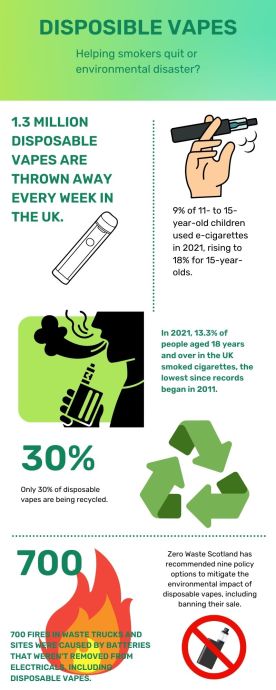
Disposable vapes have exploded in popularity, largely due to their low upfront cost and ease of use. You don’t need to worry about filling tanks or replacing coils – simply use it until the battery dies, then toss it. This simplicity appeals to many, especially those new to vaping. However, this convenience masks a significant environmental problem.
Most disposables are just plastic shells wrapped around a lithium battery. We don't have the infrastructure to recycle them, so they end up in the trash. The FDA tracked millions of these devices hitting landfills every month throughout 2024. It is a massive waste of raw materials for a device that only lasts a few days.
Beyond the environmental impact, there are also health concerns. Some disposable vapes have been found to contain unregulated components and contaminants, raising questions about their safety. The lack of quality control in some manufacturing processes is a serious issue. The North Carolina Department of Health and Human Services reported finding synthetic cannabinoids in some disposable vapes, a dangerous and unexpected finding.
The appeal of disposables is clear: they’re cheap to start with. But that initial savings is deceptive. The constant replacement of entire devices quickly adds up, and the true cost – both financially and environmentally – is much higher than it appears.
Why refillable systems win long-term
Refillable vape devices – including pod systems, tank vapes, and mods – represent a different approach to vaping. They require an initial investment, which can range from $30 to $150 or more, depending on the device’s features and complexity. However, this upfront cost is offset by the ability to reuse the device repeatedly.
One of the biggest advantages of refillable systems is the wide variety of e-liquid options available. You can choose from countless flavors, nicotine strengths, and VG/PG ratios to customize your vaping experience. This level of control is simply not possible with disposable vapes. Refillable systems also allow you to adjust your nicotine intake, which is particularly useful for those trying to reduce their dependence.
Durability is another key benefit. A well-maintained refillable device can last for months or even years, significantly reducing waste. While there is a learning curve involved – you’ll need to learn how to fill tanks, replace coils, and maintain the device – many find it a worthwhile trade-off for the long-term benefits. Modern pod systems are making this process simpler, with features like auto-draw and adjustable airflow.
The sophistication of pod systems has increased dramatically. Devices like the Smoant Pasito III or the VOOPOO Argus P3 offer impressive performance and features in a compact, user-friendly package. These devices demonstrate that refillable vaping doesn't have to be complicated.
New rules and regulations
The regulatory environment for vaping is constantly evolving, and 2026 is likely to bring further changes. The FDA is under increasing pressure to address the environmental impact of disposable vapes, and industry analysts predict stricter regulations are on the horizon. An outright ban on flavored disposable vapes is a distinct possibility, though a complete ban remains less certain.
Stricter manufacturing standards and labeling requirements are also anticipated. The FDA may require manufacturers to disclose more information about the materials used in their devices and to provide clear instructions for proper disposal. We might also see regulations aimed at reducing the amount of plastic used in packaging.
Taxes on disposable vapes are another potential regulatory tool. By increasing the cost of these devices, governments hope to discourage their use and incentivize consumers to switch to more sustainable alternatives. Public health organizations are strongly advocating for such measures.
Regulations surrounding battery disposal and recycling are also likely to be strengthened. Proper battery disposal is crucial to prevent environmental contamination and safety hazards. The establishment of nationwide battery recycling programs could be a significant development. AskVape will continue to monitor these changes and provide up-to-date vape information to our readers.
Cost Breakdown: Disposable vs. Refillable
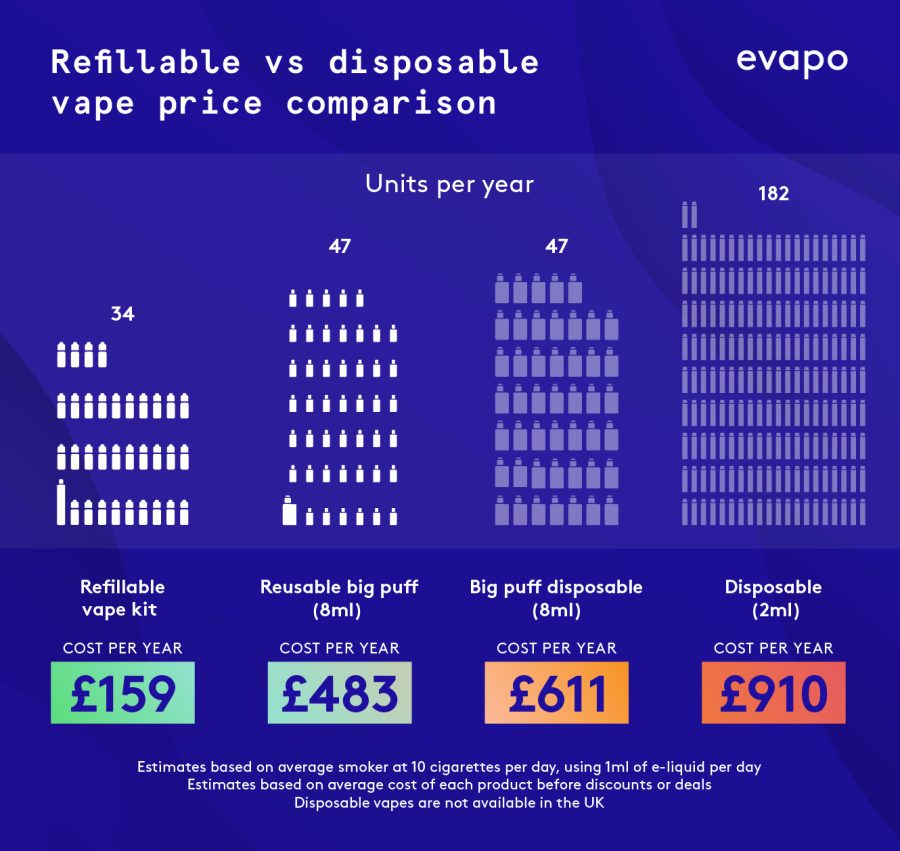
Let's look at the numbers. A typical disposable vape costs around $20-$30 and provides roughly 500-800 puffs. Assuming an average user goes through one disposable per week, the monthly cost is $80-$120, and the annual cost is $960-$1440. Over a year, that's a significant amount of money.
Now, consider a refillable system. A decent pod system might cost $50-$80 upfront. A 30ml bottle of e-liquid typically costs $15-$25 and lasts most users 2-4 weeks. Coil replacements cost around $10-$20 for a pack of five, and you might replace a coil every 2-4 weeks, depending on usage. Let's assume a moderate consumption rate and average prices.
Over six months, the refillable system costs could look like this: Device ($65), E-liquid ($120), Coils ($60). Total: $245. Over a year: $490. This is a substantial savings compared to the $960-$1440 for disposables. Even with higher consumption rates or more expensive e-liquids, refillable systems almost always work out cheaper in the long run.
Your actual spending depends on how much you chain-vape, but the math usually favors the refillable kit by the third month. You stop paying for a new battery and circuit board every time you run out of juice.
Top Refillable Pod Systems for 2026
Based on current trends and expert reviews, here are a few refillable pod systems expected to be popular in 2026:
VOOPOO Argus P3: Known for its compact size, ease of use, and impressive performance. Price range: $50-$70.
Smoant Pasito III: Offers a wide range of customization options and a durable build quality. Price range: $60-$80.
Lostvape Orion DNA Go: Combines a sleek design with advanced features and a high-quality chipset. Price range: $70-$90.
Uwell Caliburn AK2: A popular choice for its simplicity, portability, and reliable performance. Price range: $40-$60.
Geekvape Aegis Mini 2: Rugged and durable, with a long-lasting battery and adjustable airflow. Price range: $50-$70.
These devices represent a blend of performance, convenience, and value, making them excellent choices for vapers looking to switch to a more sustainable and cost-effective option. AskVape provides comprehensive vaping resources to help you find the perfect device for your needs.
Featured Products
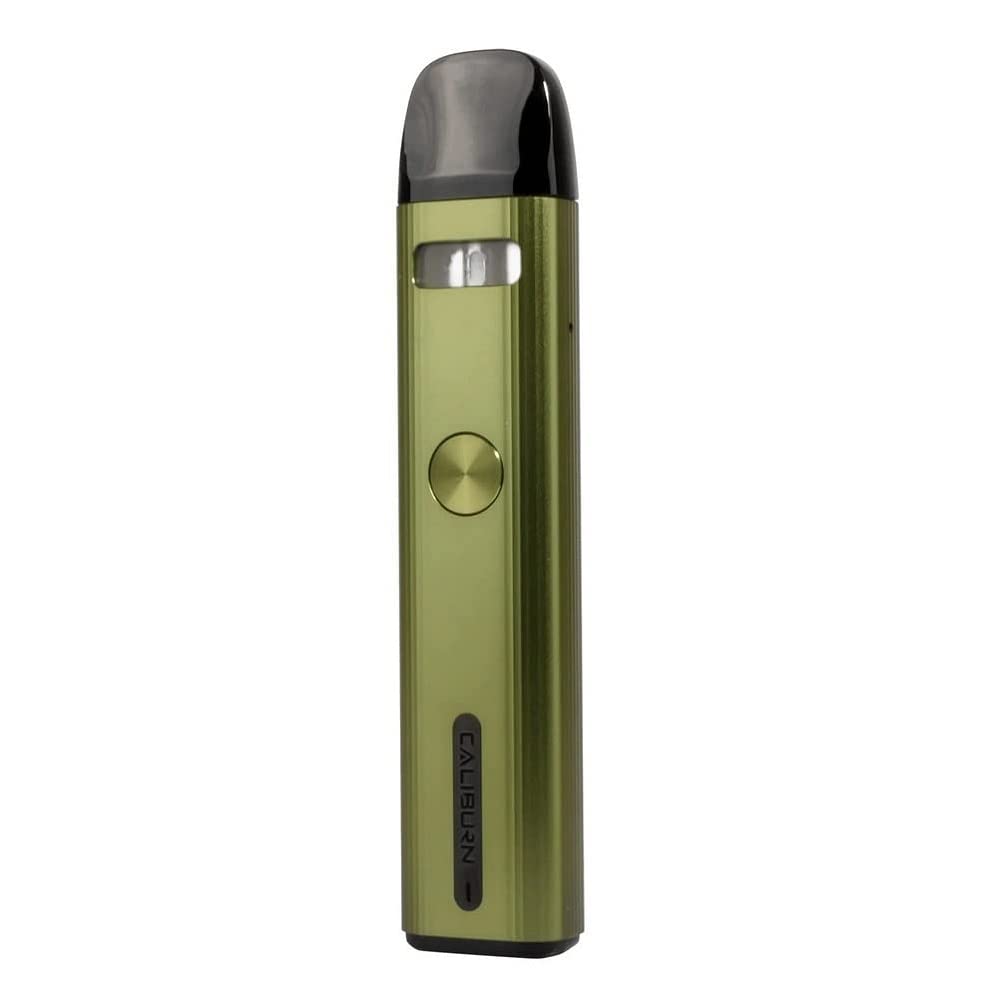
Pro-FOCS flavor technology · Adjustable airflow control · Top-filling system
The Uwell Caliburn G2 is a popular refillable pod system known for its excellent flavor production and user-friendly design, making it a strong contender against disposable options.
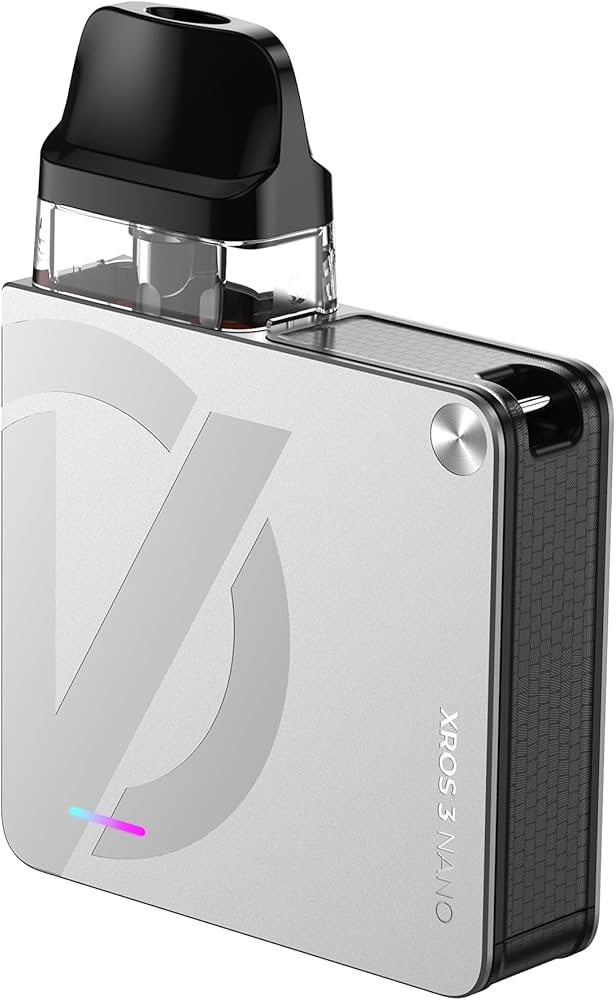
AXON Chip · Sleek, compact design · Top-filling system
The Vaporesso XROS 3 Nano offers a stylish and convenient refillable vaping experience with consistent performance, providing a durable alternative to single-use devices.

Designed to fit most standard car cup holders · Securely holds e-cigarettes and vape pens · Prevents spills and damage during transit
This car cup holder accessory provides a practical solution for safely storing vape devices while on the go, preventing accidental damage or spills.
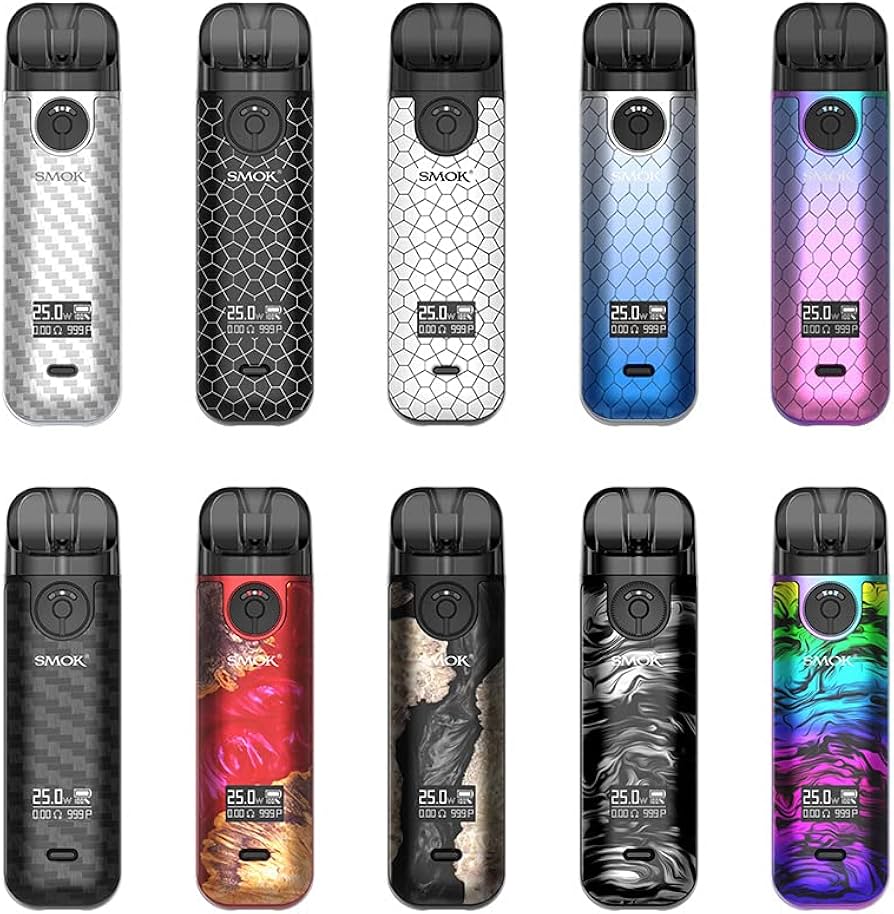
Adjustable power settings · Airflow control dial · Side-filling port
The SMOK Novo 4 is a versatile refillable pod system that allows for customization of vaping experience through adjustable power and airflow, offering a more personalized and sustainable choice.
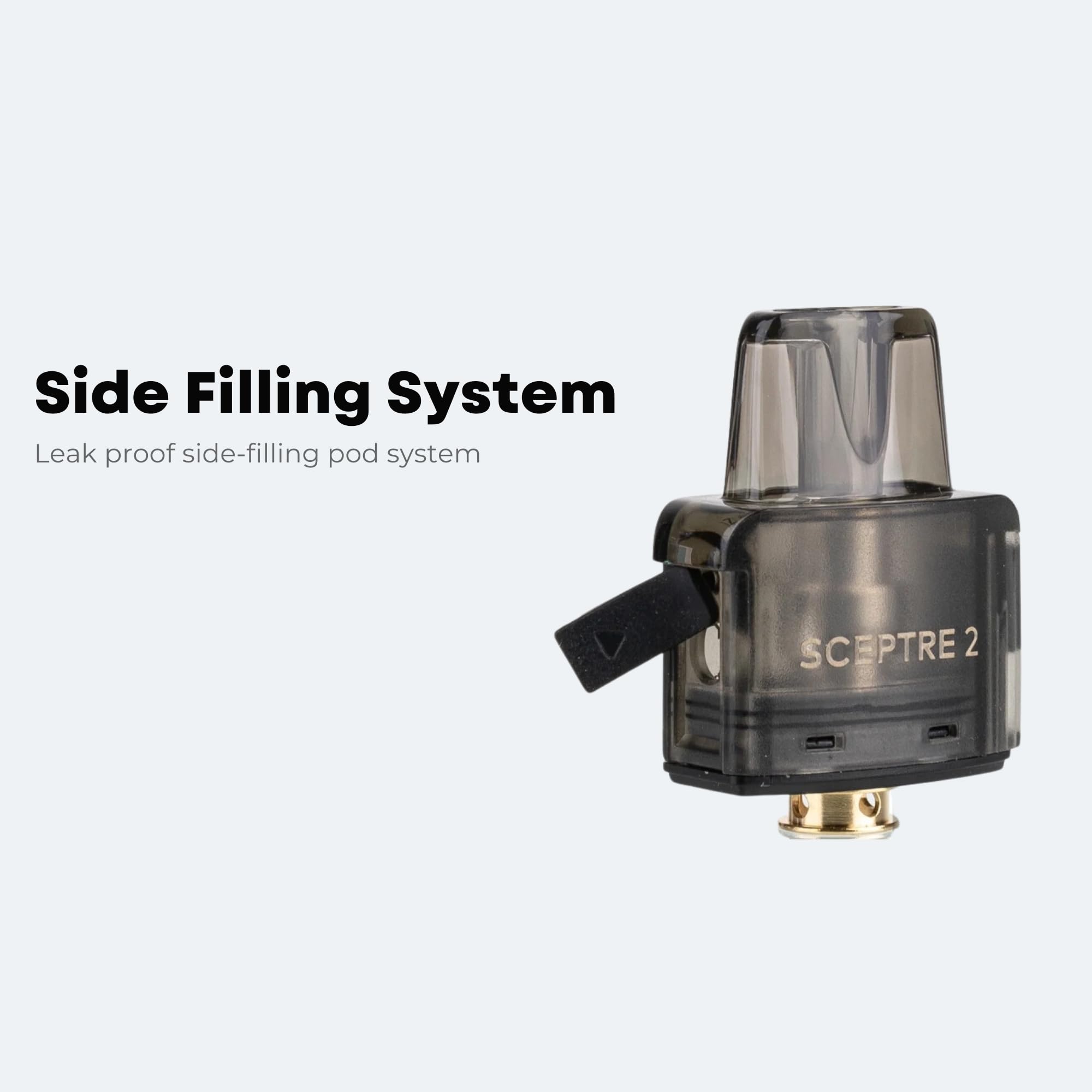
AIO (All-In-One) design · Side-filling pod · Adjustable airflow
The Innokin Sceptre 2 is an easy-to-use refillable pod kit that delivers a satisfying vaping experience with its simple operation and reliable performance, making it an excellent eco-conscious choice.
As an Amazon Associate I earn from qualifying purchases. Prices may vary.
No comments yet. Be the first to share your thoughts!