

How pod systems and mods differ
E-cigarettes, also known as vapes, are battery-operated devices that heat liquid to create an aerosol. The hardware landscape splits into two main categories: pod systems and traditional mods. Understanding the structural and functional differences between these two is the first step in finding the right e-cig information for your routine.
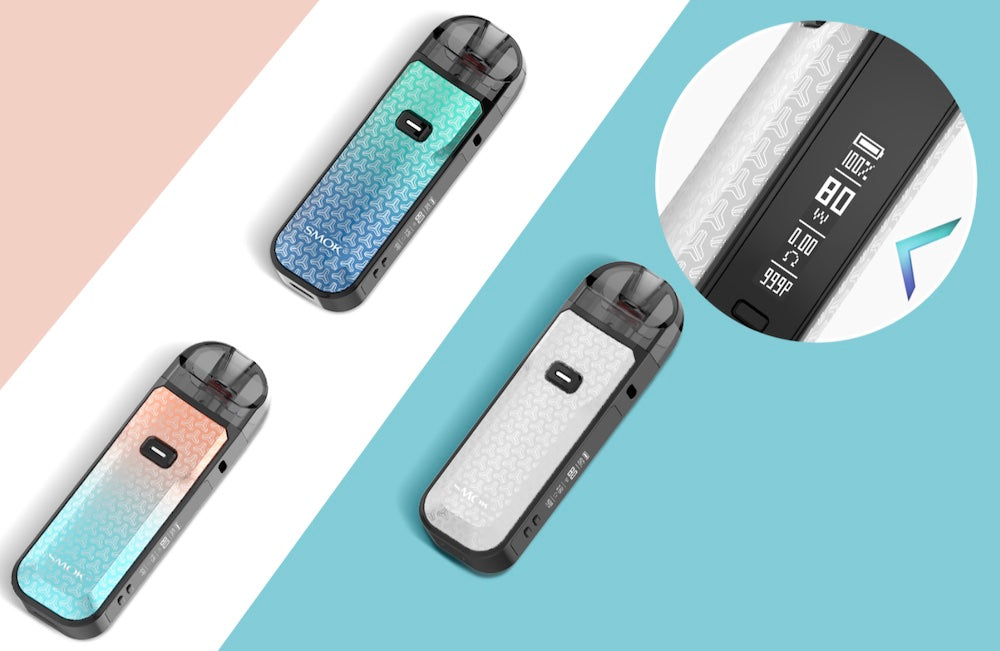
Pod systems are designed for simplicity and convenience. They typically feature pre-filled or refillable pods that snap onto a compact battery unit. This all-in-one design eliminates the need for complex wiring or manual coil building. The airflow is usually fixed or limited to a few settings, creating a tight draw that mimics the sensation of smoking a traditional cigarette. Because the components are integrated, pod systems are lightweight, discreet, and easy to maintain. They are ideal for vapers who prioritize portability and want a device that requires minimal setup.
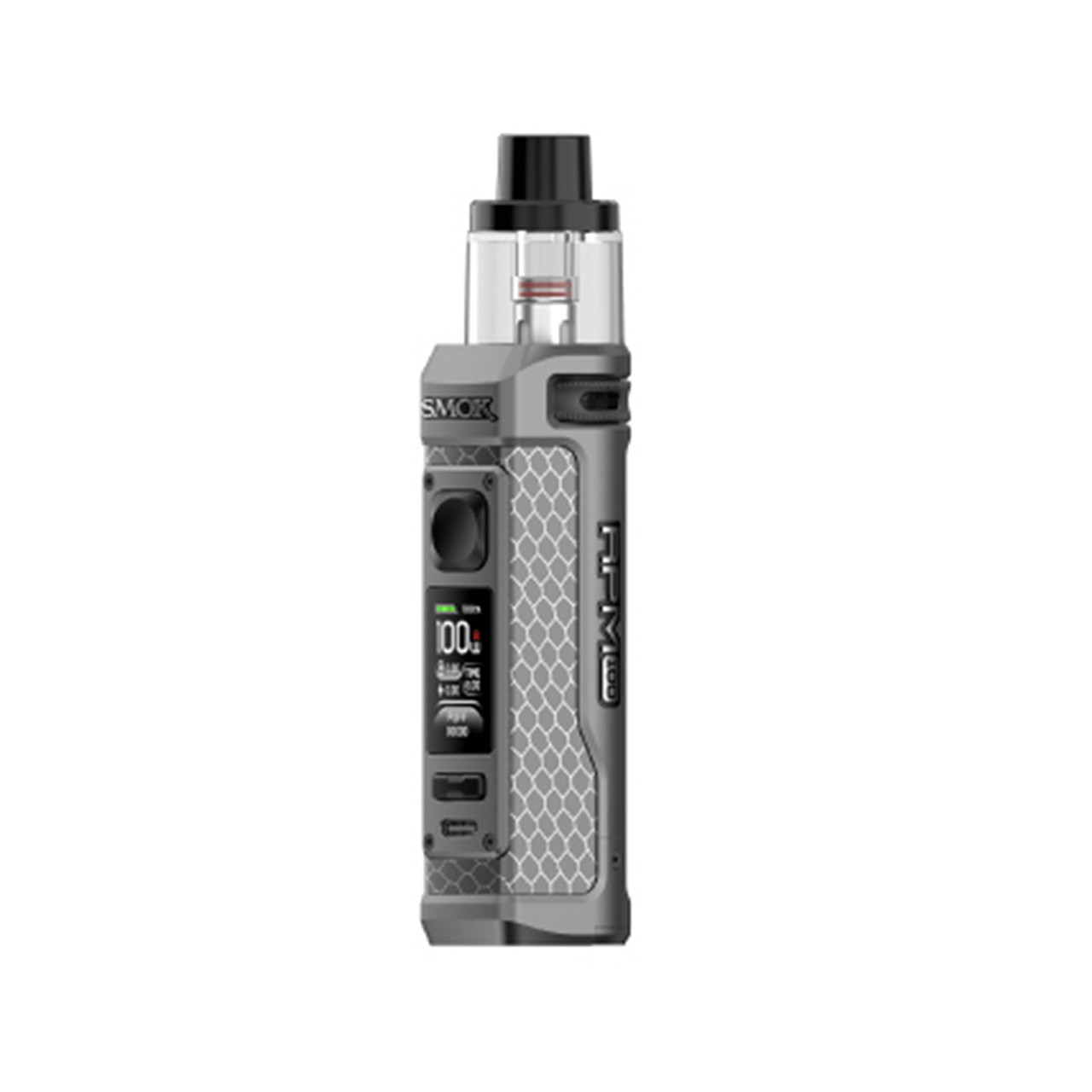
Traditional mods operate on a different philosophy. The term "mod" comes from "modification," reflecting the device's potential for customization. Mods generally consist of a separate battery box (the mod) and a tank or atomizer (the box mod). They offer adjustable wattage, voltage, and temperature controls, allowing users to fine-tune their vaping experience. This hardware supports a wider variety of coil builds and e-liquids, producing larger clouds and more intense flavor profiles. While they offer greater control, mods are bulkier, require more maintenance, and have a steeper learning curve.
The choice between a pod system and a mod often comes down to your priorities. If you value ease of use, discretion, and consistent performance with little effort, a pod system is likely the better fit. If you enjoy tinkering with settings, prefer larger clouds, and want maximum control over your vapor production, a traditional mod will serve you better. Both devices deliver the same core function, but their design approaches cater to different user habits.
Pod systems for simplicity and portability
Pod systems are designed for immediate use. Unlike traditional mods that require coil building and juice dripping, a pod system is ready the moment you open the box. This simplicity is the primary reason they dominate the market for casual users. The device handles the technical work, allowing you to focus on the experience rather than the mechanics.
Plug-and-play operation
The defining feature of a pod system is its all-in-one design. The battery and tank are integrated, often sharing a single form factor that fits comfortably in the palm of your hand. There are no separate components to manage. You simply fill the pod with e-liquid, insert it into the device, and press the button or inhale to activate. This "plug-and-play" nature eliminates the learning curve associated with more complex e-cig information.
For beginners, this simplicity reduces frustration. There is no risk of burning a coil due to incorrect wattage settings or flooding from overfilling. The device is engineered to deliver a consistent vapor production with minimal user intervention. If you value convenience over customization, a pod system removes the friction from daily vaping.
Discretion and everyday carry
Portability is another major advantage. Pod systems are typically slim and lightweight, easily slipping into a shirt pocket or small purse without adding bulk. Because they are compact, they are less conspicuous than larger, boxy mods. This discretion makes them ideal for social settings or professional environments where you might vape occasionally.
The smaller battery capacity, while limiting long-term usage, is often sufficient for a day's worth of moderate vaping. The trade-off is worth it for many users who prioritize carrying a device that doesn't weigh them down. You can vape throughout the day without worrying about finding a power outlet, as the compact size allows for quick, subtle sessions.
Traditional mods for customization and power
Traditional mods stand apart from pod systems by offering a hands-on approach to vaping. While pods prioritize simplicity, mods are built for control. They give you the ability to fine-tune your experience, making them the preferred choice for vapers who want to understand the mechanics behind their device. If you are looking for detailed e-cig information on how to tailor your sessions, mods are where you will find the most flexibility.
The heart of a traditional mod is its robust battery and advanced circuitry. Unlike the smaller, often replaceable batteries in pod devices, mods typically house larger, rechargeable cells—either built-in or removable. This power reserve supports higher wattage output, which is essential for driving larger coils and producing dense vapor clouds. The increased capacity also means longer sessions between charges, a practical advantage for heavy users who need reliability throughout the day.
Customization is the defining feature of the mod ecosystem. Through adjustable wattage and temperature control settings, you can dial in the exact heat profile for your coil and e-liquid. Lower wattages preserve delicate flavor notes, while higher settings unlock thicker vapor. This level of precision allows you to adapt your device to different liquids, from high-VG blends that require more power to thin, nicotine-salt juices that benefit from cooler, smoother hits.
Sub-ohm vaping is another capability exclusive to most traditional mods. Sub-ohm coils have a resistance of less than one ohm, requiring the higher power output that mods provide. This setup is ideal for those who enjoy the ritual of cloud chasing and want to maximize flavor intensity. The larger airflow channels and coil designs in sub-ohm tanks work in tandem with the mod’s power to deliver a satisfying, airy draw that pod systems simply cannot match.
Battery Life and Maintenance: Pod Systems vs Mods
When choosing between pod systems and mods, battery endurance and daily upkeep are often the deciding factors. Pod systems prioritize convenience, offering compact batteries that last a full day for most users but require frequent refilling or cartridge swapping. Mods, with their larger internal cells, provide significantly longer runtime between charges but demand more hands-on attention to keep the device functioning properly.
Pod System Battery and Maintenance
Pod systems typically house batteries ranging from 650mAh to 1000mAh. For an average user taking 150–200 puffs per day, this capacity usually lasts a full day before needing a recharge. The maintenance is minimal: you simply swap out the pod or refill the reservoir. However, this convenience comes with a trade-off. Pods have a limited lifespan, often requiring replacement every few days to a week depending on usage intensity. This creates a recurring cost and a steady stream of waste.
Charging is usually done via USB-C or micro-USB ports built directly into the device. Because the batteries are small, they charge relatively quickly, often reaching full capacity in under an hour. There is no need to manage separate battery packs or worry about battery safety protocols, making pod systems the lower-effort option for daily carry.
Mod Battery and Maintenance
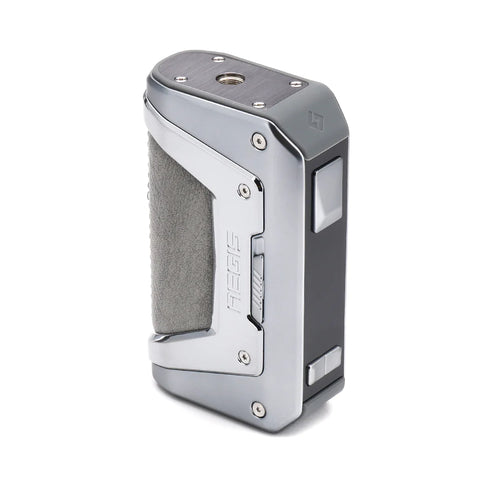
Mods feature larger batteries, commonly 18650 or 21700 cells, with capacities ranging from 2500mAh to 5000mAh or more. This allows for extended vaping sessions without the need to plug in a charger. A single charge can last two to three days for moderate users, and sometimes longer for heavy-duty tanks. The trade-off is weight and bulk. Mods are larger, heavier, and require more care to protect the battery from damage or short circuits.
Maintenance for mods is more involved. Users must regularly clean the tank, replace coil heads, and ensure proper airflow settings. If the mod uses removable batteries, users must monitor charge levels on each cell and ensure they are charged simultaneously to prevent imbalance. This hands-on approach appeals to vapers who enjoy customizing their experience but adds a layer of complexity that pod systems avoid.
Side-by-Side Comparison
The following table outlines the key differences in battery performance and maintenance requirements between the two device types.
| Feature | Pod Systems | Mods |
|---|---|---|
| Battery Capacity | 650–1000mAh | |
| 2500–5000mAh+ | ||
| Charge Frequency | Daily | |
| 2–3 Days | ||
| Charging Time | <1 Hour | |
| 1–3 Hours | ||
| Maintenance Level | Low (Swap/Refill) | |
| High (Clean/Replace Coils) | ||
| Battery Safety | Built-in, Protected | |
| User Managed | ||
| Long-Term Cost | Higher (Frequent Pods) | |
| Lower (Rechargeable Coils) |
Which device matches your daily routine
Choosing between a pod system and a mod comes down to how you actually use the device, not just the specs on paper. Your lifestyle dictates whether you need a pocket-sized convenience or a customizable powerhouse. Most e-cig information points to two distinct user profiles: the commuter who values discretion and the enthusiast who prioritizes performance.
For travel and discretion
If your day involves crowded public transit, office meetings, or quick errands, a pod system is usually the better fit. These devices are compact, often fitting easily in a shirt pocket, and produce less visible vapor. This makes them ideal for users who need to vape discreetly without drawing attention. The simplicity of swapping pre-filled pods also means you spend less time fiddling with equipment and more time moving through your day.
For customization and control
Mods appeal to those who view vaping as a hobby rather than just a habit. If you enjoy tweaking wattage, choosing specific coil resistances, or mixing your own e-liquids, a mod offers the flexibility to shape the experience. These devices typically have larger batteries and more advanced features, but they require more maintenance and attention. They are bulkier, making them less suitable for discreet use, but they deliver the robust vapor production that customization seekers crave.
Making the final choice
To decide, ask yourself what you value most in a session. If you prioritize portability and ease of use, the pod system aligns with a busy, on-the-go routine. If you value control over flavor and vapor density, and don't mind carrying a larger device, a mod is the right tool. There is no single correct answer, only the device that best supports your specific daily habits.
Common questions about vape devices
When navigating e-cig information, specific health interactions often drive the search. Understanding how vaping interacts with existing conditions helps clarify why device choice matters less than the risks of the aerosol itself.
For general health context, the World Health Organization and the American Cancer Society advise that e-liquid usually contains nicotine, an addictive chemical found in traditional tobacco products. Always consult official guidance for the most current health recommendations.
No comments yet. Be the first to share your thoughts!