
The environmental cost of vaping
Vaping isn't green. Disposable vapes are the biggest problem. They are built for convenience, but that single-use design creates a massive waste stream of plastic and heavy metals.
Each disposable vape contains a lithium-ion battery, plastic casing, and a cartridge filled with e-liquid. When thrown away – which is, unfortunately, most of the time – these components contribute to landfill waste and pose potential hazards. Batteries can leach harmful chemicals and even cause fires if damaged, while the plastic takes hundreds of years to decompose. The e-liquid itself isn’t benign, containing propylene glycol, vegetable glycerin, nicotine, and flavorings, all of which can contaminate soil and water if improperly disposed of.
A particularly frustrating aspect is the lack of standardized recycling infrastructure. While some components are recyclable, the complex assembly of a vape makes it difficult and costly to disassemble and process. Most municipal recycling programs aren’t equipped to handle them, leaving consumers with limited options. This isn't a problem that will solve itself; it requires industry-wide changes and consumer awareness.
The sheer volume of disposable vapes is staggering. It’s easy to underestimate the scale of the issue, but consider how quickly these devices are used and discarded. This constant cycle of consumption is unsustainable, and it’s driving the need for more responsible solutions. We need to move beyond simply acknowledging the problem and start actively seeking ways to reduce vaping’s environmental impact.
EPA rules for e-cigarette disposal
The Environmental Protection Agency (EPA) recognizes the hazards posed by improper e-cigarette disposal. Their guidance, detailed on epa.gov, stresses that e-cigarettes should never be thrown in the regular trash or recycling bin. The primary concern is the lithium-ion battery. Damaged or punctured batteries can spark and cause fires in waste management facilities, endangering workers and the environment.
Beyond the fire risk, there’s the issue of leaching. Even intact batteries can corrode over time, releasing heavy metals and other toxins into the soil and groundwater. The e-liquid itself also presents a problem. While the long-term environmental effects of e-liquid components aren’t fully understood, the potential for contamination is real. Nicotine, for example, is a known pesticide and can harm aquatic life.
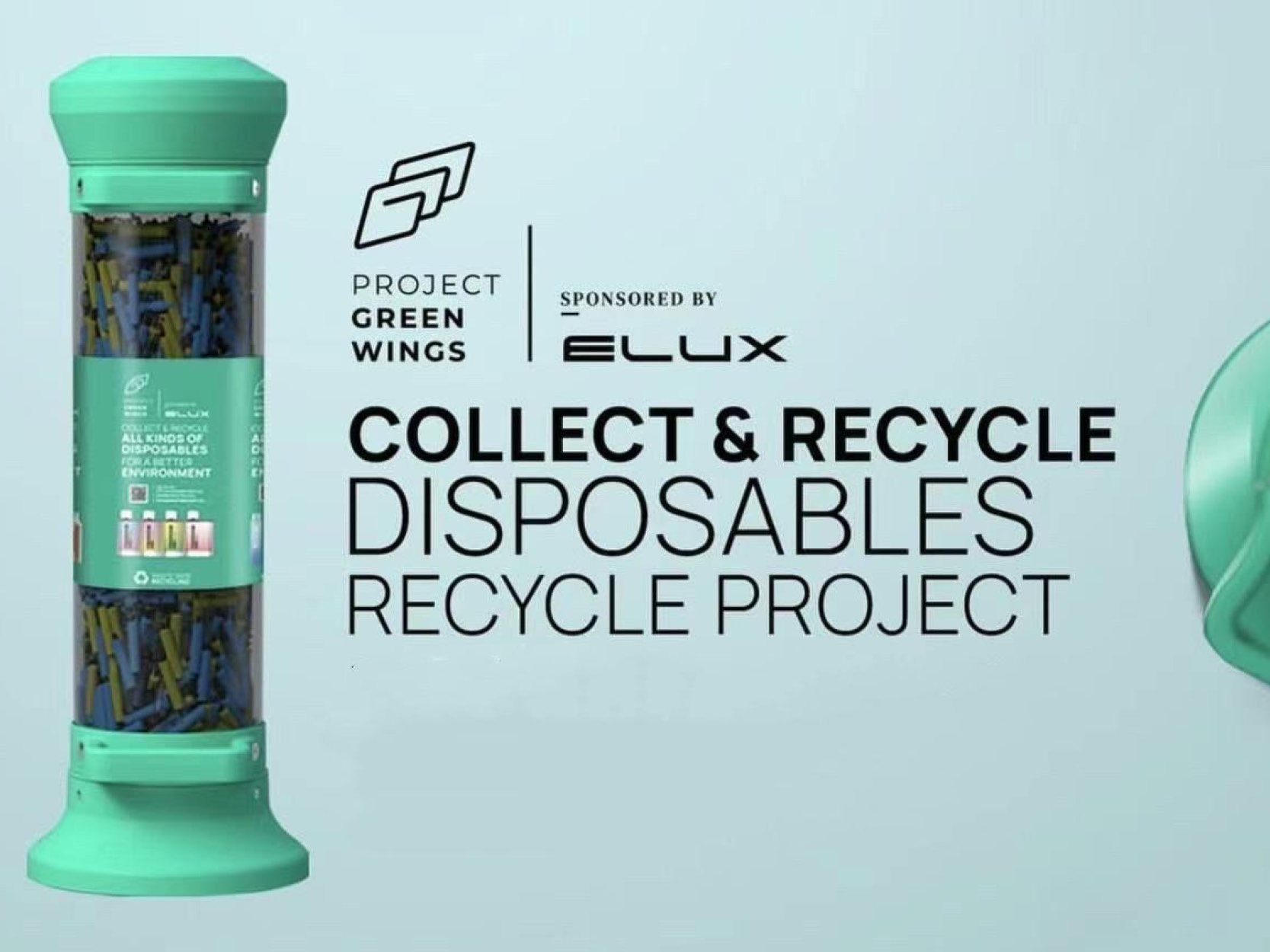
Recycling these batteries is difficult because few facilities handle lithium-ion safely. Call2Recycle has drop-off points, but you should call your local waste authority to see if they accept e-waste directly.
The EPA also provides resources for schools and small businesses on how to properly manage e-cigarette waste. This includes information on collection programs and safe storage practices. Ultimately, responsible disposal requires a collective effort – from manufacturers and retailers to consumers and waste management facilities.
Refillable devices and better materials
The good news is that a shift towards more sustainable vaping practices is beginning to take shape. We're seeing a growing number of manufacturers offering refillable and reusable vape systems as an alternative to disposable devices. These systems typically consist of a durable, rechargeable battery and a refillable pod or tank.
The materials used in these devices are also becoming a focus. Some companies are exploring the use of recycled plastics and bio-based materials in their construction. While fully sustainable vape devices are still rare, the trend is moving in the right direction. Durability is also key; a device designed to last longer inherently reduces waste. Look for devices with robust construction and readily available replacement parts.
Repairability is another important consideration. Devices that can be easily repaired, rather than replaced, extend their lifespan and minimize environmental impact. Unfortunately, this isn’t always a priority for manufacturers, as it can cut into replacement sales. However, some brands are actively promoting the right to repair and offering replacement components.
It's difficult to point to one or two brands as solely leading the charge, as transparency regarding material sourcing and manufacturing processes is often limited. However, brands emphasizing modular designs and offering long-term warranties tend to be more focused on sustainability. It's up to consumers to research and support companies committed to reducing their environmental footprint.
Amazon's Sustainable Vape Options
Refillable devices are the best way to cut down on waste. These three options focus on longevity rather than being tossed after one use.
The Vaporesso XROS 3 ($35-45) is a popular pod system known for its durability and ease of use. Its refillable pods and long-lasting battery make it a good alternative to disposables. The Smok Nord 5 ($50-60) is another strong contender, offering adjustable wattage and a variety of coil options for a customizable vaping experience. Both devices use standard USB-C charging, reducing the need for proprietary chargers.
For those seeking a more advanced setup, the Innokin Ares 2 ($70-80) is a capable vape pen with a refillable tank and adjustable airflow. It's a bit more complex than pod systems but offers greater control over the vaping experience. Consider also purchasing replacement coils in bulk to reduce packaging waste. Amazon also carries a range of empty refillable pods compatible with various devices, allowing you to source your e-liquid separately.
When browsing on Amazon, pay attention to customer reviews and look for products with a high rating for durability and build quality. Don’t hesitate to contact the seller with questions about materials and manufacturing practices. While Amazon doesn’t always highlight sustainability information prominently, it’s often available if you dig a little deeper. Remember to factor in the cost of replacement coils and e-liquid when comparing prices.
Featured Products
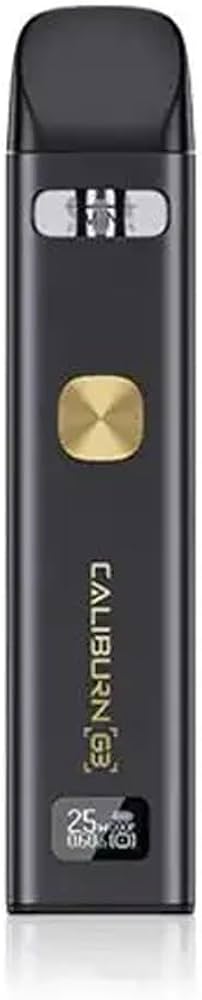
Refillable pod system for reduced waste · Durable construction for longevity · Designed for a satisfying vaping experience
The Uwell Caliburn G3 is recommended for its refillable design, promoting reduced waste and encouraging users to explore eco-friendly options.
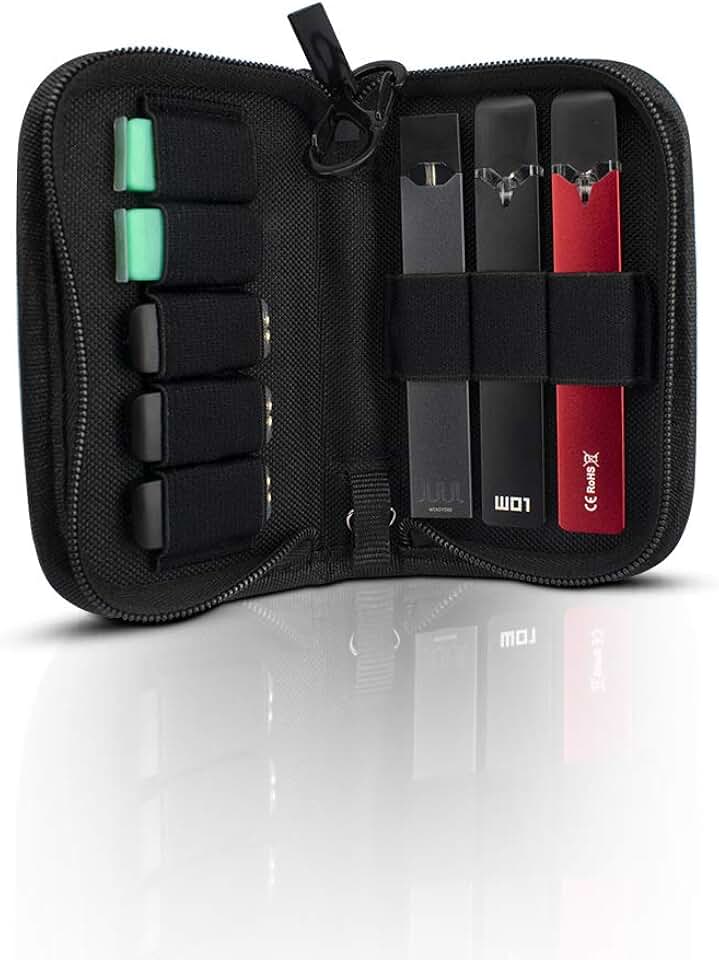
Compact travel case for pods and USB charger · Designed to fit easily in pockets or bags · Protects vape components during travel
This carrying case is recommended for its practicality in organizing and protecting vape essentials during travel, contributing to a more sustainable and organized vaping routine.

Nicotine-free herbal vaping pen · Contains natural ingredients like apple, thyme, and mullein · Offers up to 600 uses
This nicotine-free herbal vape pen is recommended as an alternative for those looking to reduce reliance on traditional nicotine products, aligning with a focus on healthier and potentially more sustainable choices.

Car cup holder specifically designed for GeekVape Aegis Legend 200W TC · Provides a secure place to store the device while driving · Prevents device from rolling around in the car
This car cup holder is recommended for safely storing your vape mod, preventing damage and ensuring it remains secure during transit, which can extend the life of the device.

Versatile vape pen travel case with belt loop and carabiner clip · Made from elastic neoprene for protection · Accommodates e-juice, mod tanks, and batteries
This durable and versatile travel case is recommended for securely carrying and protecting various vaping components, promoting organization and device longevity.
As an Amazon Associate I earn from qualifying purchases. Prices may vary.
Local shops with recycling bins
Fortunately, some local vape shops are taking the initiative to address the recycling problem. AskVape’s directory is a great place to start searching for shops in your area that offer recycling programs. However, it's still not widespread, and availability varies significantly by location.
I’ve found that shops in states with stricter regulations on disposable vapes are more likely to offer recycling services. For example, several shops in California and New York have implemented in-store collection programs for vapes and batteries. These programs often involve partnering with Call2Recycle or other specialized recycling facilities.
In some cases, shops offer discounts or incentives to customers who bring in their used vapes for recycling. This encourages participation and helps to divert waste from landfills. Others simply provide designated collection bins for batteries and devices. It's worth calling your local shops to inquire about their recycling policies, even if it's not advertised online.
The challenge is scaling these efforts. Many small businesses lack the resources to establish and maintain comprehensive recycling programs. Increased support from manufacturers and government agencies is needed to make recycling more accessible and affordable for vape shops. We at AskVape are committed to highlighting shops that are making a difference and promoting sustainable practices within the industry.
Vaping in 2026
Looking ahead to 2026, I anticipate increased regulatory scrutiny of disposable vapes. Several states are already considering or have implemented bans or restrictions on their sale, and this trend is likely to continue. This could drive a greater shift towards refillable and reusable systems.
I also expect to see more manufacturers adopting eco-friendly designs and materials. Pressure from consumers and environmental groups will likely force companies to prioritize sustainability. However, true innovation in materials science is needed to develop truly biodegradable or compostable vaping components. It's unlikely we'll see a complete overhaul in just three years, but progress is possible.
The biggest challenge remains the lack of adequate recycling infrastructure. Without widespread access to convenient and affordable recycling programs, many vapes will continue to end up in landfills. Investment in recycling facilities and the development of standardized collection programs are essential.
Ultimately, the future of sustainable vaping depends on a collaborative effort between manufacturers, retailers, consumers, and policymakers. We need to move beyond simply identifying the problem and start implementing effective solutions. While challenges remain, I’m cautiously optimistic that we can create a more sustainable vaping industry.
- FAQ: What is sustainable vaping? Sustainable vaping refers to practices and products that minimize the environmental impact of vaping, such as using refillable devices and properly recycling e-waste.
- FAQ: Where can I recycle my vapes? Check with your local vape shops or search for Call2Recycle drop-off locations near you.
- FAQ: Is DIY e-liquid safe? Yes, if done carefully and with proper precautions. Always wear gloves and eye protection when handling nicotine.



No comments yet. Be the first to share your thoughts!