

Vaping’s Shifting Health Landscape
Vaping's health effects are still being understood. Early reports caused confusion and concern, but a growing body of research, including FDA studies, is helping to clarify the risks. While the EVALI outbreak is behind us, vaping is not risk-free.
Early concerns focused heavily on acute lung injury, specifically EVALI – E-cigarette or Vaping product use-Associated Lung Injury. While Vitamin E acetate was strongly linked to that outbreak, it’s become clear it wasn't the sole culprit. The research continues to evolve, and 2026 brings a new set of data points to consider. The situation isn’t static; our understanding is constantly being refined.
Definitive answers about vaping's long-term health effects are still emerging. This information aims to present the current understanding based on available evidence, helping users make informed decisions.
The surge in vaping, particularly among youth, necessitates further research. Data from the North Carolina Department of Health and Human Services shows e-cigarettes are now more common than traditional cigarettes among young people, highlighting the need to examine potential consequences for this group.
Lung Impacts: Beyond EVALI
While EVALI was a primary concern, research now focuses on vaping's longer-term respiratory effects. Scientists are studying how vaping affects airway inflammation, lung permeability, and the risk of chronic conditions, looking beyond acute injury to the impact of sustained use.
Studies indicate increased airway inflammation in vapers, even those without EVALI, which may contribute to COPD-like symptoms over time. The FDA monitors these trends through surveillance programs, collecting data on adverse events and aerosol composition.
Vitamin E acetate is a known irritant causing severe lung damage, but it's not the only risk. Other e-liquid chemicals, such as propylene glycol and flavorings, are also under investigation for their potential to harm lung tissue.
Vaping methods also matter. Higher power settings and specific device types can increase aerosol production, potentially leading to higher exposure to harmful chemicals. Further research is needed to understand how device features and vaping habits affect lung health.
Risk Factors for Lung Injury Associated with Vaping
| Factor | Lower Risk Profile | Moderate Risk Profile | Higher Risk Profile |
|---|---|---|---|
| Nicotine Level | Low nicotine strength e-liquids, consistent use of manufacturer-provided cartridges. | Moderate nicotine strength e-liquids, occasional use of refillable devices. | High nicotine strength e-liquids, frequent use of unregulated or modified devices. |
| Flavoring Type | Use of e-liquids with limited flavoring ingredients and those with well-studied food-grade flavorings. | Use of e-liquids with a variety of flavorings, including some with limited safety data. | Use of e-liquids containing novel or synthetic flavorings, particularly those linked to adverse health effects in other contexts. |
| Device Type | Use of pod systems from established manufacturers with quality control measures. | Use of refillable tank systems with regular coil replacement and proper maintenance. | Use of unregulated or modified devices (mods) with potential for overheating or component failure. |
| User Habits | Infrequent vaping, responsible battery handling, and avoiding chain vaping. | Moderate vaping frequency, occasional experimentation with different devices or e-liquids. | Frequent and heavy vaping, improper battery handling, and chain vaping. |
| E-liquid Source | Purchasing e-liquids from reputable retailers with clear labeling and ingredient lists. | Purchasing e-liquids from a mix of sources, including online and local shops. | Purchasing e-liquids from unregulated sources, such as informal vendors or online marketplaces, or using illicit products. |
| Device Maintenance | Regular cleaning and proper storage of vaping devices. | Occasional cleaning and inconsistent device storage practices. | Infrequent cleaning, improper storage, and failure to replace worn components. |
Illustrative comparison based on the article research brief. Verify current pricing, limits, and product details in the official docs before relying on it.
Cardiovascular Effects: What’s the Connection?
Vaping's impact on heart health is a growing concern. Studies show it can increase blood pressure and heart rate, and affect heart rate variability, a cardiovascular health marker. Arterial stiffness, another risk indicator, has also been noted in some vapers.
Nicotine isn't the only factor; other e-liquid chemicals, like ultrafine particles, can also damage the cardiovascular system. The long-term effects of chronic exposure are still largely unknown but early data is concerning.
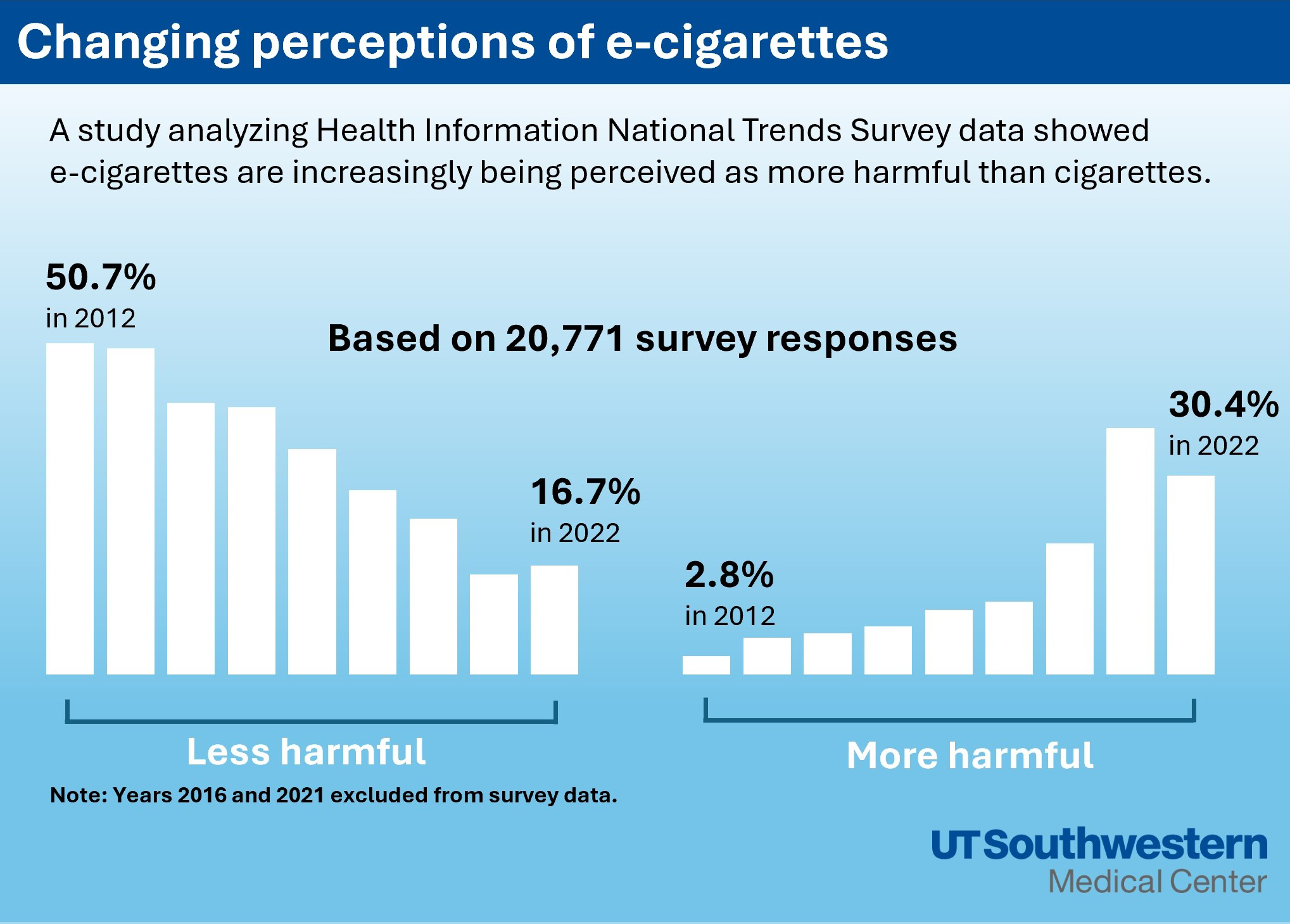
Comparing vaping and smoking risks is complex. Vaping may be less harmful than smoking in some ways, but it is not safe. Both carry cardiovascular risks. A UT Southwestern study found many people wrongly believe vaping is more harmful than smoking, indicating a public understanding gap.
Nicotine is a known stimulant with documented cardiovascular effects. However, even nicotine-free e-liquids can contain harmful chemicals in their base liquids and flavorings that may affect the heart.
Nicotine’s Hold: Addiction and the Brain
Nicotine is highly addictive, affecting the brain's reward system and leading to cravings and compulsive behavior. This is a significant concern, especially for adolescents and young adults with developing brains.
Adolescent nicotine exposure can lead to long-term cognitive effects on attention, learning, and memory, and may increase the risk of future substance use disorders. Nicotine's addictive potential is often underestimated.
Some products labeled 'nicotine-free' contain trace or even significant amounts of nicotine, a deceptive practice that risks unintended exposure and addiction.
Vaping devices deliver nicotine rapidly, potentially leading to faster addiction. High nicotine concentrations in some e-liquids and the devices' ease of use make them appealing, especially to young people.
Flavorings Under Scrutiny: Beyond Propylene Glycol
Vaping flavors, while appealing, are not harmless. Research has identified potentially harmful chemicals in e-liquids like diacetyl (linked to 'popcorn lung'), acrolein, and formaldehyde.
Acrolein irritates the respiratory system and can damage lung tissue, while formaldehyde is a known carcinogen. Early evidence suggests inhaling these chemicals poses significant long-term health risks.
A major problem is the lack of regulation for flavoring ingredients. Manufacturers aren't required to disclose all chemicals, making it difficult for consumers to know what they are inhaling.
Identifying the most toxic flavorings and establishing safe exposure levels requires more research. The complexity of e-liquid formulations makes this a challenging area with many unknowns.
Flavorings & Health Concerns
- Diacetyl - Linked to bronchiolitis obliterans (“popcorn lung”), a serious and irreversible lung disease. While significantly reduced in many e-liquids, it remains a concern and was found in some samples as recently as 2023.
- Acetoin & Pentanedione - Often found alongside diacetyl, these compounds are also potential precursors to it. Studies suggest they can contribute to similar respiratory issues, though research is ongoing.
- Benzaldehyde - Commonly used to create almond flavors, research indicates benzaldehyde can irritate airways and potentially contribute to respiratory distress. Some studies have shown it can disrupt cellular function.
- Cinnamaldehyde - Used for cinnamon flavoring, this compound has shown potential cytotoxic effects in some *in vitro* studies, meaning it could be harmful to cells. More research is needed to understand the effects in humans.
- Vanillin - While generally regarded as safe for consumption, some research suggests that when inhaled as an aerosol, vanillin may cause inflammation and oxidative stress in lung tissues.
- Ethyl Vanillin - A synthetic alternative to vanillin, ethyl vanillin has shown similar potential for respiratory irritation and inflammation in preliminary studies.
- p-Anisaldehyde - Used for anise and licorice flavors, this compound has been linked to potential airway inflammation and may exacerbate existing respiratory conditions.
Youth Vaping Trends: A Continuing Concern
Youth vaping is a significant public health crisis. Despite recent declines, rates among teenagers and young adults remain high, fueled by accessible flavored e-cigarettes and aggressive marketing.
Social influence and peer pressure contribute, as young people see friends vaping or are influenced by social media trends. The perception of vaping as 'cool' or 'harmless' worsens the problem.
Prevention strategies include raising awareness about the risks of vaping, implementing stricter regulations on e-cigarette marketing and sales, and providing cessation resources for young people who are already addicted. School-based prevention programs can also be effective.
It’s crucial to address the underlying factors that contribute to youth vaping, such as stress, anxiety, and depression. Providing young people with healthy coping mechanisms and support systems can help them resist the temptation to vape.
What is the biggest factor driving youth vaping?
Vote below and share which factor you think has the strongest influence on youth vaping.
2026 Research Gaps: What We Still Don’t Know
Despite the progress made in vaping health research, there are still many unanswered questions. Long-term studies are needed to fully understand the chronic health effects of vaping. It’s difficult to conduct these studies because vaping is a relatively new phenomenon.
Standardized research methodologies are also lacking. Different studies use different methods, making it difficult to compare results. This inconsistency hinders our ability to draw firm conclusions.
More research is needed on the effects of specific flavorings and other chemicals in e-liquids. We need to identify which substances are most toxic and to establish safe exposure levels. The complexity of e-liquid formulations makes this a challenging task.
The interplay between vaping and other risk factors, such as smoking, genetics, and pre-existing health conditions, also needs further investigation. Research is ongoing, and we’re learning more all the time. But it’s important to approach this topic with caution and to remain open to new evidence as it emerges.



No comments yet. Be the first to share your thoughts!