
Vaping has an environmental footprint
Vaping, while often presented as an alternative to traditional smoking, isn’t without its environmental footprint. The production of devices, the sourcing of e-liquids, and the disposal of used cartridges and batteries all contribute to a growing waste stream. It’s something we at AskVape have been thinking about a lot. It’s easy to overlook when you’re focused on flavor and nicotine delivery, but the impact is real.
The problem isn't just the plastic and metal. Making these devices takes a lot of energy, and shipping them around the world adds up. E-liquids are even harder to track. Most of us don't know where the vegetable glycerin or nicotine actually comes from because brands rarely share that data.
People are finally asking for transparency. We've seen a real shift toward shops that actually try to reduce waste. We updated our locator to prioritize shops that have recycling bins or refill stations rather than just selling disposables.
Spotting real sustainability
The term "eco-friendly’ gets thrown around a lot, and it"s often more marketing than substance. A truly sustainable vape shop goes beyond simply saying they care about the environment. It means implementing concrete practices across their operations.
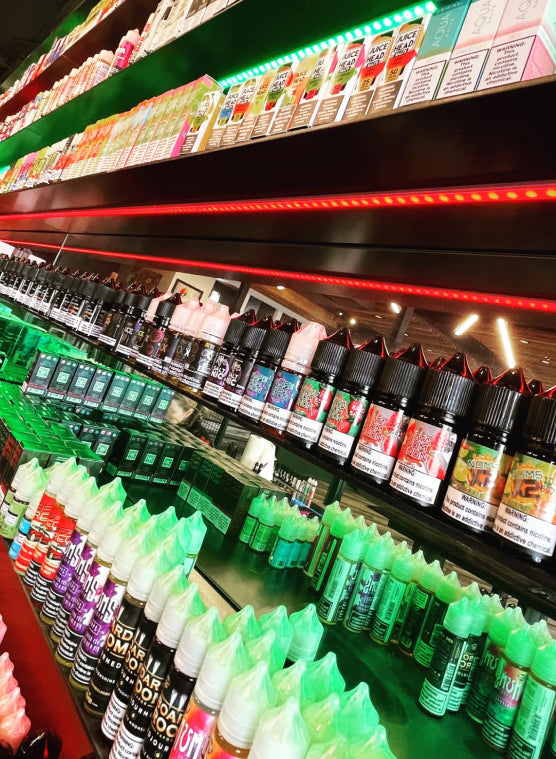
What does that look like? Look for shops with established recycling programs for batteries and cartridges. Refill options for e-liquids are a huge plus – reducing plastic waste and offering potential cost savings. Responsible sourcing of e-liquids is critical; ideally, shops should prioritize organic and fair-trade ingredients where available. Even packaging matters—minimalist, recyclable packaging shows a commitment to reducing waste.
Be wary of "greenwashing" – when a company exaggerates or falsely claims environmental benefits. A shop claiming to be sustainable without any evidence of concrete action is a red flag. Don't be afraid to ask questions about their practices. A legitimate shop will be happy to provide details.
- Recycling bins for batteries and old pods
- Refill Options: For e-liquids, reducing plastic waste.
- Responsible Sourcing: Organic and fair-trade ingredients.
- Minimalist Packaging: Recyclable and reduced materials.
- Energy Efficiency: Using energy-efficient lighting and appliances.
Eco-friendly shops for 2026
Using our vape shop locator and extensive research, we’ve compiled a list of shops demonstrating a genuine commitment to sustainability. It’s a constantly evolving list, as more shops adopt eco-friendly practices, but these are a few standouts as of late 2026.
Vapor Haven (Asheville, North Carolina): Vapor Haven offers a comprehensive battery recycling program and partners with a local e-waste recycling facility. They also prioritize e-liquids made with organic vegetable glycerin and locally sourced nicotine. They’ve reduced their packaging by 40% in the last year.
Cloud Nine Vapes (Portland, Oregon): Known for its extensive refill station, Cloud Nine Vapes allows customers to bring their own bottles to fill with a wide variety of e-liquid flavors. They also stock a curated selection of reusable vape devices and offer discounts to customers who participate in their recycling program.
The Vape Lab (Austin, Texas): The Vape Lab has made significant investments in energy-efficient lighting and appliances, reducing their carbon footprint. They actively source e-liquids from manufacturers committed to sustainable practices and offer a trade-in program for old devices.
EcoSmoke (Denver, Colorado): EcoSmoke specializes in refillable vape systems and offers a wide range of organic e-liquids. They’ve partnered with a local composting service to handle organic waste from their shop and actively promote responsible vaping practices.
Vapor Emporium (Indianapolis, Indiana): Vapor Emporium has implemented a robust recycling program, collecting used batteries and cartridges for proper disposal. They also offer a discount to customers who bring in their old devices for recycling. According to their owner, they’ve collected over 500 pounds of batteries this year.
Nova Vapes (Seattle, Washington): Nova Vapes prioritizes vendors with transparent supply chains and sustainable sourcing practices. They also offer a curated selection of eco-friendly vape devices and accessories. They are actively working to reduce their plastic usage.
Zenith Vapes (Phoenix, Arizona): Zenith Vapes has installed solar panels on their roof, significantly reducing their reliance on fossil fuels. They also offer a wide selection of refillable vape devices and promote responsible vaping practices. They report a 20% reduction in their energy bills.
Coastal Clouds (Virginia Beach, Virginia): Coastal Clouds partners with local environmental organizations to promote e-waste recycling and responsible vaping. They also offer a discount to customers who participate in their recycling program. They've sponsored several local beach cleanups.
Blue Ridge Vapes (Charlotte, North Carolina): Blue Ridge Vapes focuses on offering a wide variety of refillable pod systems and bottles. They also stock a range of nicotine-free e-liquids, catering to those looking to reduce their nicotine intake. They actively educate customers on responsible disposal.
Vape City (Orlando, Florida): Vape City has implemented a comprehensive recycling program and actively promotes responsible vaping practices. They have also switched to using biodegradable packaging materials whenever possible.
The move to reusable hardware
One of the most impactful changes vapers can make is switching to reusable systems. Traditional disposable vape pens create a significant amount of plastic waste, contributing to landfill overflow. Refillable vape devices, on the other hand, significantly reduce that waste.
The benefits go beyond just environmental impact. Refillable systems often allow for greater control over e-liquid selection, potentially accessing higher-quality, more ethically sourced options. They can also be more cost-effective in the long run, as you’re only purchasing the e-liquid, not the entire device.
Leading the charge are brands like Innokin with their Ares 2 and SMOK with their RPM series. These devices are designed for longevity and ease of refilling. You can find these and other refillable options through the AskVape directory, filtering by device type and features.
- You'll throw away significantly less plastic than you would with disposables
- Cost Savings: Lower long-term costs compared to disposable options.
- E-Liquid Control: Greater control over flavor and nicotine strength.
- Higher Quality: Access to potentially better e-liquid options.
Disposable vs. Refillable Vape Systems
| Environmental Impact | Long Term Cost | Convenience | Flavor Options | Device Customization |
|---|---|---|---|---|
| Significant waste generation; contributes to plastic & electronic waste. | Generally higher due to frequent replacements. | Very High; ready to use, no maintenance. | Limited by pre-filled options. | None |
| Lower waste if pods/tanks are recycled responsibly; potential for longer lifespan. | Generally lower; refillable systems reduce ongoing costs. | Medium; requires refilling and occasional coil changes. | Wide range; users can choose from many e-liquids. | Moderate; some devices allow for adjustable wattage/airflow. |
| Potential for battery waste, even if marketed as recyclable (recycling infrastructure varies). | Can be comparable to disposables if frequent pod replacements are needed. | High; easy to use, minimal setup. | Good; variety of pod-based e-liquids available. | Limited; typically restricted to pod compatibility. |
| Refillable tanks offer the lowest waste option when paired with responsible recycling. | Lowest; bulk e-liquid purchases and reusable components save money. | Medium; requires more initial setup and regular maintenance. | Extensive; users can mix e-liquids and explore a vast selection. | High; many devices offer adjustable settings, coil options, and aesthetic modifications. |
| Disposal practices are a major concern; often end up in landfills. | Higher initial cost, but lower long-term expenditure. | Highest; requires no user maintenance or refilling. | Moderate; flavor selection is limited to available pre-filled options. | Minimal; no customization options available. |
| Impact lessened with responsible recycling programs and eco-friendly pod materials (still developing). | Moderate; initial investment is higher, but refills are generally cheaper. | Medium; requires some maintenance (coil changes, pod refills). | Very good; broad selection of e-liquids and pod flavors. | Some; limited customization options like coil resistance. |
Qualitative comparison based on the article research brief. Confirm current product details in the official docs before making implementation choices.
Handling e-waste and recycling
Vape devices contain batteries, plastic, and metal, all of which pose environmental challenges when disposed of improperly. E-waste is a growing problem globally, and vaping contributes to it. Disposing of these devices in the trash can lead to harmful chemicals leaching into the environment.
Recycling vape components is complex. Batteries require specialized handling due to the risk of fire and environmental contamination. Plastic and metal can be recycled, but often require disassembly, which many municipal recycling facilities aren’t equipped to handle. Some vape shops, like Vapor Haven mentioned earlier, are taking the initiative by partnering with e-waste recycling facilities.
If your local shop won't take old gear, check your city's e-waste schedule. Sites like Earth911 are helpful for finding drop-off points that handle lithium batteries. It’s a hassle, but it keeps heavy metals out of the soil.
Where e-liquid ingredients come from
The sustainability conversation often stops at the device itself, but the sourcing of e-liquid ingredients is equally important. What about the vegetable glycerin, propylene glycol, and nicotine? Where do these come from, and how are they produced?
Organic vegetable glycerin is a more sustainable option than conventionally produced glycerin, as it avoids the use of pesticides and synthetic fertilizers. Fair-trade ingredients ensure that farmers and workers are paid a fair wage and work in safe conditions. However, verifying the origin and production methods of these ingredients can be challenging.
Nicotine production, in particular, is a complex issue. It often involves the use of tobacco farming, which can have significant environmental impacts. Asking your vape shop about the source of their nicotine is a good starting point. Transparency in supply chains is key, and more brands are starting to provide information about their sourcing practices.
- Ask about organic vegetable glycerin.
- Inquire about the source of nicotine.
- Look for brands with transparent supply chains.
- Support shops that prioritize ethical sourcing.

No comments yet. Be the first to share your thoughts!