
Cannabis vaporizer law changes: 2025-2026
Cannabis vaporizer laws are changing fast. By 2026, we expect a messy mix of state-level rules rather than a single federal standard. These shifts come as more states legalize recreational use while trying to manage safety concerns.
Currently, the legal status of cannabis varies dramatically from state to state, and that extends to the vaporizers used to consume it. Some states have fully legalized recreational and medical cannabis with relatively permissive vaping regulations, while others maintain strict prohibitions or heavily restrict access. We anticipate this disparity will continue to narrow, but not necessarily in a uniform way. More states are considering or actively moving toward legalization, which inherently means confronting the question of how to regulate cannabis vaporizers.
The tension between state and federal law remains a critical factor. While many states have legalized cannabis in some form, it remains a Schedule I controlled substance at the federal level. This creates a conflict that impacts everything from banking to taxation to interstate commerce. The federal government’s stance is a major unknown, and could dramatically alter the landscape. There’s a growing call for federal legislation to address these inconsistencies, but progress has been slow.
For local vape shops, this means staying informed and being proactive is no longer optional—it’s essential for survival. Regulations are becoming more complex, and the penalties for non-compliance are increasing. We're seeing a trend toward stricter quality control standards, more rigorous testing requirements, and greater scrutiny of marketing practices. Ignoring these changes could lead to hefty fines, license suspensions, or even criminal charges. Shops need to prepare now for a more regulated future.
State-by-state compliance breakdown
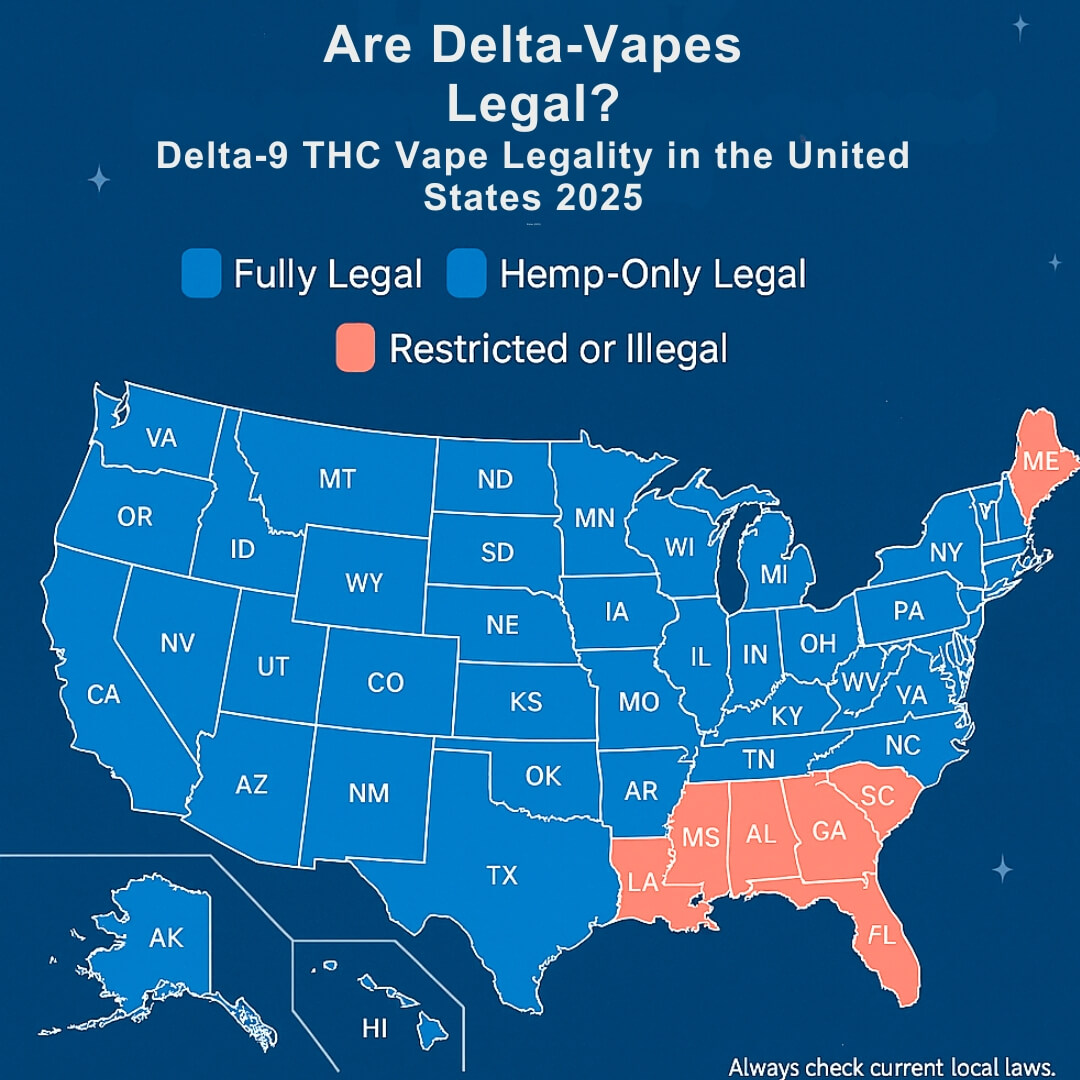
While state laws move quickly, current legislative sessions give us a clear idea of what 2026 will look like for retailers. Here is the breakdown for the most active markets.
California: California’s existing cannabis market is large and relatively mature, but regulations are continually evolving. By 2026, expect increased scrutiny of cartridge labeling, with a focus on accurate THC content disclosure and prominent health warnings. Licensing requirements for retailers are also likely to become more stringent, with potential for increased fees. The state is already pushing for tighter controls on heavy metal testing, and that will likely continue.
New York: New York’s cannabis rollout has been slow, but it’s gaining momentum. By 2026, anticipate a robust regulatory framework with strict licensing requirements for vape shops. Cartridge capacity may be limited, and there will likely be restrictions on flavoring additives. New York is also considering a tax on vape products specifically, which could impact pricing and profitability.
Florida: Florida’s medical cannabis program is expanding, and recreational legalization is a distinct possibility by 2026. If recreational cannabis is legalized, expect a surge in demand for cannabis vaporizers and a corresponding increase in regulations. Licensing will be competitive, and compliance will be crucial. Packaging and labeling rules will almost certainly mirror those in other established markets.
Texas: Texas currently has a very restrictive medical cannabis program. However, there’s growing public support for reform, and the possibility of legalization – even limited – is increasing. If Texas were to legalize, even medically, expect a cautious approach to regulation, with a strong emphasis on product safety and preventing underage access. Vape shops would face new licensing hurdles and strict compliance requirements.
Ohio: Ohio is currently building its recreational framework. By 2026, the state will move from its initial rollout to more permanent rules on product testing and marketing. Retailers should watch the Division of Cannabis Control for updated licensing fees.
Illinois: Illinois has a well-established recreational cannabis market. By 2026, anticipate further refinement of its regulations, particularly around packaging and labeling. The state is also likely to increase enforcement of existing rules, cracking down on illegal sales and non-compliant products. There’s also discussion around adjusting the tax structure, which could impact vape shop profitability.
Michigan: Michigan was an early adopter of cannabis legalization. The state is likely to continue to refine its regulations, focusing on product safety and consumer protection. Expect stricter standards for cartridge testing and increased scrutiny of advertising practices. Michigan may also consider implementing a track-and-trace system for cannabis vaporizers to combat the illicit market.
These states represent a snapshot of the broader trend. Other states, like Arizona, Colorado, and Massachusetts, are also likely to see significant changes in their cannabis vaping laws by 2026. Staying informed about specific state-level developments is paramount.
- State-specific licensing for cannabis hardware
- Restrictions on cartridge capacity/THC content
- Packaging and labeling rules (child-resistance, warning labels)
- Testing and quality control standards
- Potential new taxes or fees
State Cannabis Vaporizer Compliance – Projected to 2026
| State | Licensing | Cartridge Limits | Packaging | Testing | Taxes/Fees |
|---|---|---|---|---|---|
| California | Strict licensing required for all cannabis businesses, including retailers selling vaporizers. Annual license renewal and compliance checks are standard. | Limits on cartridge fill size are determined by the Department of Cannabis Control and subject to change, currently focusing on preventing overfilling. | Child-resistant packaging is mandatory. Packaging must also include specific health warnings and cannabinoid content information. | Comprehensive testing for potency, pesticides, heavy metals, and residual solvents is required. Results must be available to consumers. | Excise tax based on a percentage of retail price, plus local taxes. Fees associated with licensing and testing add to the overall cost. |
| New York | Adult-use cannabis market requires licensing for cultivation, processing, distribution, and retail. Retailers must have a separate license to sell vaporizers. | Cartridge limits are under development as the adult-use market matures. Regulations are expected to focus on standardized serving sizes. | Packaging must be child-resistant and include prominent health warnings. Labeling requirements are continually evolving. | Testing is required for all cannabis products, including vaporizers, to ensure safety and accurate labeling. Testing protocols are established by the Cannabis Control Board. | State excise tax plus local taxes. Licensing fees are substantial, and testing costs contribute to overall expenses. |
| Florida | Medical Marijuana Treatment Centers (MMTCs) are vertically integrated and control the entire supply chain, including vaporizer sales. Retail locations require specific permits. | Cartridge limits are determined by physician recommendations and the MMTCs’ internal policies. | Packaging must be child-resistant and clearly labeled with product information. Regulations are focused on preventing appeal to minors. | MMTCs are responsible for rigorous testing of all products, including vaporizers, before sale. Testing results are not always publicly available. | Sales tax applies to medical marijuana purchases. Fees for patient registration and product testing contribute to the cost. |
| Texas | Limited medical cannabis program with strict restrictions. Vaporizers are only permitted with a prescription for specific qualifying conditions. | Cartridge limits are determined by the prescribing physician and the dispensing organization. | Packaging must be child-resistant and comply with labeling requirements set by the Texas Department of State Health Services. | Testing is required to ensure product safety and accurate cannabinoid content. Testing is conducted by state-approved laboratories. | Sales tax applies to medical cannabis purchases. Program participation fees and testing costs add to the overall expense. |
| Ohio | Adult-use cannabis market established in 2023. Licensing for cultivation, processing, and retail is underway. (Note: Source link returned a 404 error, information based on general reporting of the new law) | Regulations regarding cartridge limits are still being developed as the market matures. Expect focus on standardized dosing. | Packaging requirements are expected to mirror those of other states with legal cannabis, including child-resistance and warning labels. | Testing for potency, contaminants, and pesticides will be required for all cannabis products sold in licensed dispensaries. | A 10% tax will be applied to cannabis sales, with revenue allocated to administrative costs, education, and local communities. |
| Illinois | Highly regulated market with licensing for cultivation, processing, and dispensing. Retailers require a specific license to sell vaporizers. | Cartridge limits are regulated, with a focus on preventing excessive THC concentrations. Regulations are subject to change. | Packaging must be child-resistant and include specific warning labels. Regulations are designed to prevent accidental ingestion. | Rigorous testing is required for all cannabis products, including vaporizers, to ensure safety and accurate labeling. Testing results are publicly available. | State excise tax based on THC content, plus local taxes. Licensing and testing fees contribute to the overall cost. |
| Michigan | Established adult-use cannabis market with licensing for all stages of the supply chain. Retailers require a license to sell vaporizers. | Cartridge limits are regulated to ensure responsible consumption. Regulations are periodically reviewed and updated. | Packaging must be child-resistant and include specific warning labels. Regulations are focused on preventing accidental ingestion and appeal to minors. | Comprehensive testing is required for all cannabis products, including vaporizers, to ensure safety and accurate labeling. Testing results are publicly available. | State excise tax of 10% on retail sales, plus local taxes. Licensing and testing fees contribute to the overall cost. |
Illustrative comparison based on the article research brief. Verify current pricing, limits, and product details in the official docs before relying on it.
Federal guidance and potential conflicts
The federal government's stance on cannabis remains a major source of uncertainty for the vape industry. Despite the growing number of states legalizing cannabis, it remains a Schedule I controlled substance under federal law. This creates a significant conflict, as federal regulations technically prohibit the manufacture, sale, and possession of cannabis – including vaporizers.
The Food and Drug Administration (FDA) has limited authority over cannabis products, but it does have jurisdiction over vaping devices and e-liquids. The FDA's Pre-Market Tobacco Application (PMTA) process has been a major hurdle for many vape manufacturers, and it’s likely to continue to be a point of contention. The PMTA process is expensive and time-consuming, and many companies have struggled to meet the requirements.
The potential for federal intervention is a constant concern. Some lawmakers have proposed legislation to decriminalize or legalize cannabis at the federal level, but these efforts have so far been unsuccessful. Even if cannabis were to be decriminalized, it's unclear how that would impact the regulation of cannabis vaporizers. The FDA could still regulate the devices and e-liquids, potentially imposing strict standards that are difficult for manufacturers to meet.
This federal-state conflict creates a complex legal landscape for vape shops. They must comply with both state and federal regulations, which can be challenging and confusing. It also creates risks, as federal authorities could theoretically enforce federal law in states where cannabis is legal. The situation is fluid, and it’s essential for vape shops to stay informed about any changes in federal policy.
Cartridge and device safety standards
Product safety is becoming an increasingly important focus of cannabis regulations, and rightfully so. The 2019 EVALI (E-cigarette or Vaping product use-Associated Lung Injury) outbreak highlighted the dangers of unregulated vape products, and consumers are demanding greater assurance of safety. This is driving the development of new standards for cannabis vaporizer cartridges and devices.
Key areas of concern include the materials used in cartridges and devices. Regulations are likely to require the use of food-grade materials that are free of harmful chemicals. There’s also a growing emphasis on leak prevention, as leaks can pose a safety hazard and reduce product quality. Battery safety is another critical issue, with regulations likely to address issues like overcharging and overheating.
Testing for heavy metals is becoming standard practice in many states, and this trend is expected to continue. Heavy metals can leach into the vapor from the heating element or cartridge, posing a health risk to consumers. Vitamin E acetate, a thickening agent linked to EVALI, is now widely recognized as a dangerous additive and is being banned in many jurisdictions.
Third-party testing and certification programs are playing an increasingly important role in ensuring product safety. These programs provide independent verification that products meet certain standards, giving consumers greater confidence in their safety. Look for products that have been tested by reputable labs and certified by recognized organizations. DynaVap, for example, focuses on thermal extraction device technology, prioritizing a different approach to vaporization but still emphasizing quality and safety.
Packaging, labeling, and advertising rules
Regulations surrounding the packaging, labeling, and advertising of cannabis vaporizers are becoming increasingly strict, and this trend is expected to accelerate by 2026. These regulations are designed to protect consumers, prevent underage access, and ensure accurate product information.
Child-resistant packaging is now required in most states with legal cannabis markets. This means that packaging must be designed to be difficult for children to open, but still accessible to adults. Labels must include prominent warning messages about the health risks of vaping and the age restrictions for purchasing cannabis products. THC content must also be clearly disclosed on the label.
Advertising regulations are also becoming more restrictive. Many states prohibit advertising that targets minors or that is misleading or deceptive. There may also be restrictions on where cannabis products can be advertised, such as near schools or playgrounds. Some states are considering outright bans on certain types of advertising, such as those that promote excessive consumption.
Expect to see more detailed requirements for font sizes, color schemes, and the placement of warning labels. The goal is to make sure that consumers are fully informed about the risks and benefits of cannabis vaporizers. Shops need to carefully review and comply with all applicable packaging, labeling, and advertising regulations to avoid penalties.
Inventory management and record keeping
Robust inventory management and record-keeping practices are essential for vape shops selling cannabis vaporizers. These practices are not only crucial for compliance with regulations but also for protecting your business from legal issues and financial losses.
Regulations typically require vape shops to track product origins, from the manufacturer to the point of sale. This includes maintaining records of all purchases and sales, as well as documenting the chain of custody. Accurate record-keeping is essential for demonstrating compliance with state and federal laws.
Some states may also require vape shops to collect and retain customer information, such as age verification and purchase history. However, it’s important to be aware of privacy regulations and to handle customer data responsibly. Always comply with applicable data protection laws.
Proper record-keeping is your best defense during an audit. If state regulators visit, you need to show a clear paper trail for every unit in your inventory to avoid immediate fines or license suspension.ll applicable laws. Accurate records can also help you identify and prevent theft or diversion of products. It’s an area where many shops struggle, but investing in a good inventory management system can pay dividends in the long run.
Resources for Vape Shop Owners
Staying informed about changing cannabis laws can be challenging, but there are many resources available to help vape shop owners. State regulatory agencies are the primary source of information about local laws and regulations. You can find contact information for these agencies on your state government’s website.
Industry associations, such as the American Vaping Association, can provide valuable resources and advocacy support. Legal resources, such as attorneys specializing in cannabis law, can offer expert guidance on compliance matters. Compliance consultants can help you develop and implement a comprehensive compliance program. AskVape provides a directory of local vape shops to help connect owners with resources and information.
- State Regulatory Agencies
- American Vaping Association ()
- Cannabis Law Attorneys
- Compliance Consultants
- AskVape Shop Directory ()
No comments yet. Be the first to share your thoughts!