
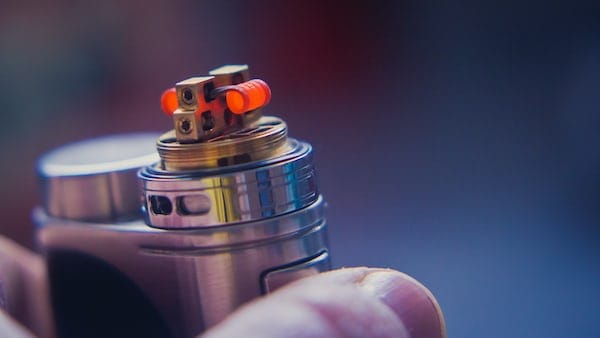

Understanding the Basics of Vape Coils
Before diving into the world of custom coil builds, it's important to understand the basics of vape coils. A vape coil is a component of an electronic cigarette that heats up the e-liquid, turning it into vapor. It's made up of a wire that's wrapped around a cylindrical object, usually a screwdriver or a coil jig, to create a coil shape.
There are two main types of vape coils: single coils and dual coils. A single coil is made up of one wire wrapped around the cylindrical object, while a dual coil is made up of two wires wrapped around the same object. Dual coils tend to produce more vapor and flavor, but they also require more power and can drain your battery faster.
The material of the wire used in a vape coil is also important. The most common materials used are kanthal, stainless steel, nickel, and titanium. Kanthal is the most popular material because it's easy to work with and has a high resistance, which means it doesn't require a lot of power to heat up. Stainless steel is also popular because it's durable and can be used in both wattage and temperature control modes. Nickel and titanium are used in temperature control mode, but they can be tricky to work with and require a lot of experience.
When building a custom coil, it's important to choose the right wire and gauge for your device and vaping style. Thicker wires have a lower resistance and require more power to heat up, while thinner wires have a higher resistance and require less power. Experimenting with different wire types and gauges can help you find the perfect coil build for your vaping preferences.

Pro tip: Always make sure your coils are properly installed and secured before using your device. Improperly installed coils can lead to a short circuit, which can be dangerous.
Different Types of Vape Coils and Their Advantages
When it comes to custom coil builds, there are a variety of types and materials to choose from. Each type of coil has its own unique advantages and can greatly affect the overall vaping experience. Here are some of the most common types of vape coils and their advantages:
1. Kanthal Coils: Kanthal is a type of iron-chromium-aluminum alloy that is commonly used in vape coils. Kanthal coils are known for their durability and can withstand high temperatures without breaking down. They also have a low resistance, which means they heat up quickly and produce large clouds of vapor. Kanthal coils are a great choice for vapers who want a strong, consistent flavor and plenty of vapor production. 2. Stainless Steel Coils: Stainless steel coils are another popular option for custom coil builds. They are known for their versatility and can be used in both temperature control and wattage mode. Stainless steel coils have a low resistance and heat up quickly, but they also have a longer lifespan than kanthal coils. They produce a clean, crisp flavor and are a great choice for vapers who want a balance of flavor and vapor production. 3. Nickel Coils: Nickel coils are primarily used in temperature control mode and are known for their accuracy. They have a very low resistance and heat up quickly, but they can be difficult to work with and require a bit of experience to get right. Nickel coils produce a smooth, clean flavor and are a great choice for vapers who want precise temperature control. 4. Titanium Coils: Titanium coils are similar to nickel coils in that they are primarily used in temperature control mode. They have a low resistance and heat up quickly, but they are also very strong and durable. Titanium coils produce a clean, crisp flavor and are a great choice for vapers who want a strong, consistent flavor profile.
Materials Used in Vape Coil Builds
When it comes to building custom coils for your vape, the materials you choose can have a significant impact on your vaping experience. Here are some of the most common materials used in vape coil builds:
Kanthal: Kanthal is a popular choice for vape coil builds because it is easy to work with and has a high melting point. It is a type of iron-chromium-aluminum alloy that is resistant to oxidation and has a low coefficient of thermal expansion. Kanthal coils have a relatively high resistance, which makes them ideal for use with variable wattage devices. Nichrome: Nichrome is another popular material for vape coil builds. It is an alloy made from nickel and chromium and has a lower resistance than Kanthal. Nichrome coils heat up quickly and provide a clean, pure flavor. They are also more durable than Kanthal coils and can last longer. Stainless Steel: Stainless steel is a versatile material that is commonly used in vape coil builds. It is a mixture of steel, chromium, and nickel, and has a low resistance. Stainless steel coils heat up quickly and provide a clean, pure flavor. They are also more durable than Kanthal coils and can last longer. Titanium: Titanium is a lightweight and strong metal that is commonly used in vape coil builds. It has a low resistance and heats up quickly, providing a clean, pure flavor. Titanium coils are also more durable than Kanthal coils and can last longer. However, it is important to note that titanium coils should only be used in temperature control mode and not in wattage mode. Overall, the material you choose for your vape coil build will depend on your personal preferences and vaping style. It is important to do your research and choose a material that will provide the best vaping experience for you.
How to Choose the Right Coil for Your Vaping Style
Choosing the right coil for your vaping style is crucial to getting the best possible experience out of your vape. There are a variety of coil types and materials to choose from, each with their own unique properties and benefits.
Coil Types:
There are two main types of coils: single and dual. Single coils are typically easier to build and require less power to operate, making them a good choice for beginners or those who prefer a more mellow vaping experience. Dual coils, on the other hand, require more power to operate but produce more vapor and flavor, making them a good choice for experienced vapers who want a more intense experience.
Coil Materials:
There are several materials commonly used to make vape coils, each with their own unique properties:
Kanthal: Kanthal is a type of iron-chromium-aluminum alloy that is commonly used in vape coils. It is easy to work with and has a high melting point, making it a good choice for high-wattage vaping.
Nichrome: Nichrome is a type of nickel-chromium alloy that heats up quickly and evenly. It is a good choice for vapers who want a quick ramp-up time and a consistent vaping experience.
Stainless Steel: Stainless steel is a popular choice for vape coils because it is easy to work with, has a low resistance, and can be used in both wattage and temperature control modes.
Titanium: Titanium is a lightweight and durable metal that is commonly used in temperature control vaping. It has a low resistance and heats up quickly, making it a good choice for vapers who want a quick ramp-up time.
Ni200: Ni200 is a type of pure nickel wire that is used exclusively in temperature control vaping. It has a very low resistance and heats up quickly, making it a good choice for vapers who want a very precise vaping experience.
When choosing a coil material, it is important to consider your vaping style and the type of device you are using. Some materials may not be compatible with certain devices or modes, so be sure to do your research before making a purchase.

Overall, choosing the right coil for your vaping style is a matter of personal preference and experimentation. By trying out different coil types and materials, you can find the perfect combination that gives you the best possible vaping experience.
Step-by-Step Guide to Building Your Own Custom Coil
Building your own custom coil can be a rewarding experience for any vaper. Not only does it allow you to tailor your vaping experience to your preferences, but it can also save you money in the long run. Here is a step-by-step guide to building your own custom coil:
Step 1: Gather Your MaterialsThe first step in building your own custom coil is to gather all the necessary materials. You will need wire, coil jig, scissors, pliers, and a screwdriver. You can choose from a variety of wire types, including kanthal, nichrome, stainless steel, and more. Each wire type has its own unique properties, so it's important to research and choose the one that best suits your needs.
Step 2: Choose Your Coil TypeNext, you will need to choose the type of coil you want to build. There are several types of coils, including single coil, dual coil, and clapton coil. Each coil type has its own benefits and drawbacks, so it's important to choose the one that best suits your vaping style.
Step 3: Wrap Your CoilUsing your coil jig, wrap your wire around the rod to create your coil. The number of wraps you need will depend on the type of coil you are building and the resistance you want to achieve. Once you have wrapped your coil, use your scissors to trim the excess wire.
Step 4: Install Your CoilUsing your pliers, install your coil into your atomizer. Make sure the coil is centered and not touching the sides of the atomizer. Once your coil is in place, use your screwdriver to tighten the screws and secure the coil.
Step 5: Test Your CoilBefore using your custom coil, it's important to test it to ensure it is working properly. Use a multimeter to check the resistance of your coil and make any necessary adjustments. Once you are satisfied with your coil, you can begin vaping!
Building your own custom coil can be a fun and rewarding experience for any vaper. With the right materials and a little practice, you can create a coil that is tailored to your preferences and provides a satisfying vaping experience.

Image description: A coil jig and wire used in building custom coils.
Common Mistakes to Avoid When Building Custom Coils
Building custom coils is an art that requires patience, skill, and knowledge. While it can be a rewarding experience, it's important to avoid some common mistakes that can ruin your vaping experience. Here are some mistakes to avoid when building custom coils:
1. Not Measuring Your Wire ProperlyOne of the most common mistakes that vapers make when building custom coils is not measuring their wire properly. This can lead to coils that are too big or too small, which can affect the overall performance of your device. Make sure to measure your wire carefully and accurately before building your coil.
2. Using the Wrong Gauge WireAnother mistake that vapers make is using the wrong gauge wire for their coil. The gauge of your wire will determine the resistance of your coil, which can affect the overall performance of your device. Make sure to use the right gauge wire for your coil to ensure that it performs as expected.
3. Over-Tightening Your ScrewsWhen building your coil, it's important not to over-tighten your screws. This can damage your wire and affect the overall performance of your device. Make sure to tighten your screws just enough to hold your wire in place, but not too tight.
4. Not Checking Your ResistanceBefore using your custom coil, it's important to check its resistance. This will ensure that your coil is safe to use and won't damage your device. Use a resistance meter to check your coil's resistance before using it.
By avoiding these common mistakes, you can ensure that your custom coil builds perform as expected and provide you with a satisfying vaping experience.
Tips and Tricks for Maintaining Your Vape Coils
Once you've invested time and money into creating custom vape coils, it's important to maintain them properly to ensure they last as long as possible. Here are some tips and tricks for maintaining your vape coils:
Clean Your Coils Regularly: One of the most important things you can do to maintain your vape coils is to clean them regularly. Over time, e-liquid residue can build up on your coils, which can affect the flavor and vapor production of your device. To clean your coils, remove them from your device and rinse them under hot water. You can also soak them in a mixture of warm water and vinegar or rubbing alcohol for 30 minutes before rinsing them off. Replace Your Coils When Needed: No matter how well you maintain your vape coils, they will eventually wear out and need to be replaced. Signs that it's time to replace your coils include a burnt taste, decreased vapor production, and a decrease in flavor. It's important to replace your coils as soon as you notice these signs to prevent damage to your device. Prime Your Coils: Before using a new coil, it's important to prime it to prevent dry hits and extend its lifespan. To prime your coil, saturate the wick with e-liquid before installing it in your device. You can also let your device sit for a few minutes after filling it with e-liquid to allow the coil to fully saturate. Avoid Dry Hits: Dry hits occur when there isn't enough e-liquid on your coil, which can cause a burnt taste and damage your device. To avoid dry hits, make sure your coil is properly saturated with e-liquid before using your device. You can also lower the wattage on your device to prevent the coil from overheating. By following these tips and tricks, you can ensure that your custom vape coils last as long as possible and provide you with the best possible vaping experience.
Regularly cleaning your vape coils can help extend their lifespan and improve the flavor and vapor production of your device.
Exploring Local Vape Shops for Custom Coil Builds
Exploring Local Vape Shops for Custom Coil Builds
Custom coil builds are becoming increasingly popular among vaping enthusiasts. These builds allow for a more personalized vaping experience, as well as enhanced flavor and vapor production. While some vapers may choose to build their own coils at home, others may prefer to visit their local vape shop for a professional custom coil build.
When exploring local vape shops for custom coil builds, it's important to consider the expertise of the staff and the quality of the materials used. Look for shops with experienced and knowledgeable staff who can guide you through the process and recommend the best coil types and materials for your specific vaping needs.
Some popular coil types include:
- Clapton Coils - These coils are made by wrapping a thin wire around a thicker wire, resulting in a coil with a larger surface area for increased vapor production and flavor.
- Fused Clapton Coils - Similar to Clapton coils, but with multiple thin wires wrapped around a thicker wire for even more surface area and enhanced performance.
- Alien Coils - These coils are made by wrapping a Clapton coil with a second thinner wire, resulting in a unique and intricate design with excellent performance.
When it comes to materials, some popular options include:
- Kanthal - A popular choice for its durability and ease of use.
- Nichrome - Known for its fast ramp-up time and excellent flavor production.
- Stainless Steel - A versatile material that can be used in both wattage and temperature control modes.
Overall, exploring local vape shops for custom coil builds can be a great way to enhance your vaping experience and discover new and exciting coil types and materials. Just be sure to do your research and choose a reputable shop with experienced staff and quality materials.




No comments yet. Be the first to share your thoughts!